
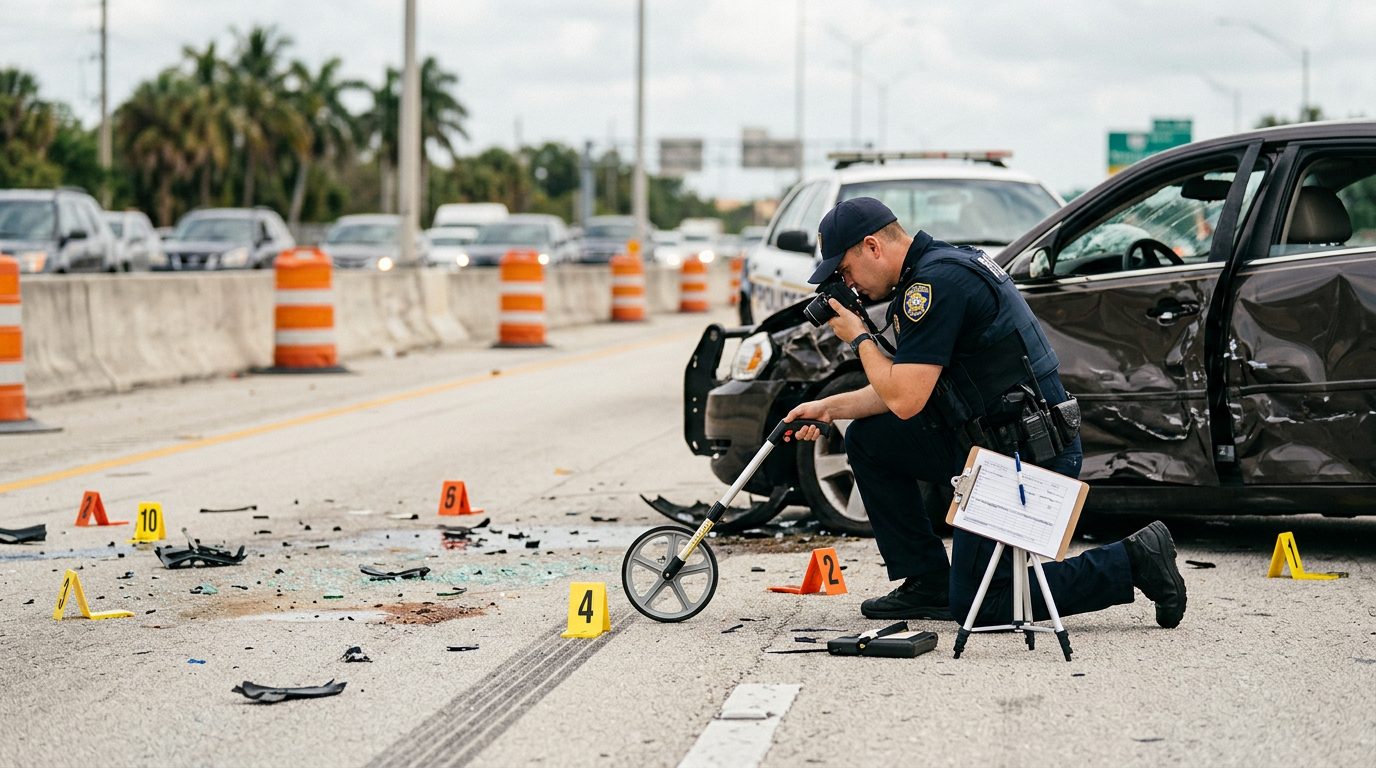
Vehicular Homicide | Record Relief | Miami
Patrick Wilson Law, PLLC focuses on criminal defense across Miami-Dade, Broward County and the Keys. Talk with Patrick David Wilson about what your charge and record may mean before you decide on a next step.
By Patrick David Wilson · Published October 21, 2026
Can a Vehicular Homicide Case Be Sealed or Expunged?
Sometimes. The way the case ended decides the answer. A vehicular homicide case that ended in a dismissal, a nolle prosequi (the prosecutor’s decision to drop the charge), or an acquittal can open the path to expunction under Fla. Stat. § 943.0585.
A conviction for homicide under § 782.071 is different. Florida law lists that kind of conviction as ineligible for both expunction and sealing under § 943.0584.
So the question isn’t just the charge name. It’s how the case actually ended. Many people start by asking about the arrest. Start with the court file instead. Look for the exact words in the final order, such as “dismissed,” “nolle prossed,” “not guilty,” or “adjudicated guilty.”
Talk it through with our team — the first consultation is free, confidential, and carries no obligation.
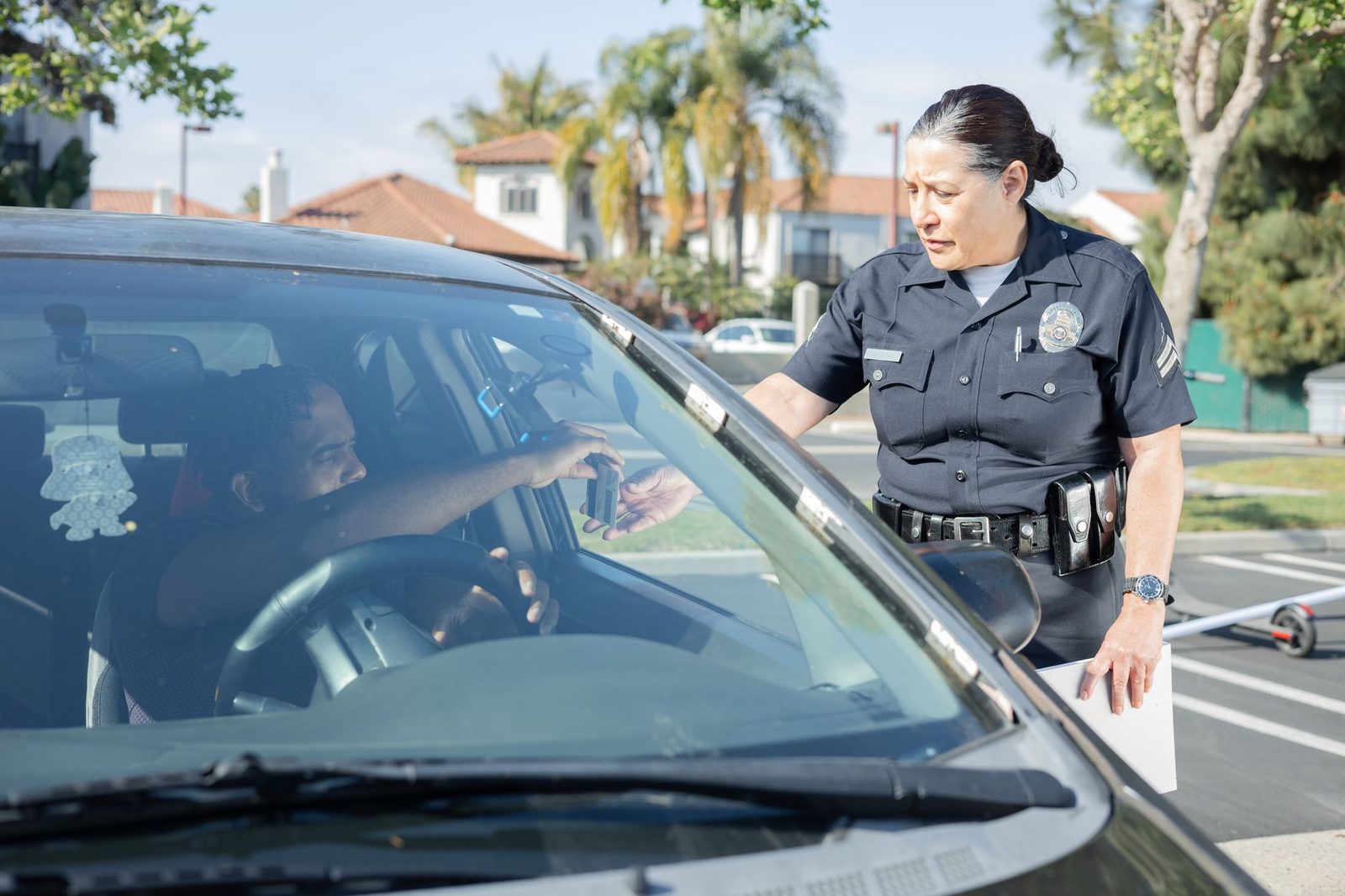
Sealing and Expunction: What Each One Does
Sealing and expunction are both court-ordered, but they do different things. Expunction goes further. Under § 943.0585(6)(a), a record ordered expunged must be physically destroyed or obliterated by any criminal justice agency that holds it. Under Fla. Stat. § 943.0585(6)(a), a criminal history record of a minor or an adult that a court of competent jurisdiction orders expunged must be physically destroyed or obliterated by any criminal justice agency that has custody of it, except that a record in the custody of the department must be retained in all cases.
The Florida Department of Law Enforcement still must keep the record. That copy stays confidential and is generally available only by court order, but the department must still disclose that an expunged record exists to certain listed entities for licensing, access authorization, and employment purposes, and to criminal justice agencies.
Sealing works differently. Under § 943.059, a sealed record stays available to certain entities. The state must disclose it to listed groups for licensing, access authorization, and employment decisions. Fla. Stat. § 943.059 reads: “An employee of an entity set forth in subparagraph (b)1., subparagraph (b)4., subparagraph (b)5., subparagraph (b)6., subparagraph (b)8., subparagraph (b)9., subparagraph (b)10., or subparagraph (b)11. may not disclose information relating to the existence of a sealed criminal history record of a person seeking employment, access authorization, or licensure with such entity or contractor, except to the person to whom the criminal history record relates or to persons having direct responsibility for employment, access authorization, or licensure decisions.”
That means a sealed record can still come up for some jobs and licenses. Neither step erases that the case happened. Agencies and some employers may still have access under the law. Plan around that before you file.
How Dismissal and Nolle Prosequi Cases Fit the Process
A nolle prosequi and a dismissal both end a case without a conviction. They come from different decision-makers. A nolle prosequi means the state attorney chose not to go forward. A dismissal means a court ended the case.
Under § 943.0585(1)(b), either one can support a petition. So can an acquittal or a not guilty verdict.
Some arrests never lead to a formal charge. The statute also covers a case where no charging document was filed or issued, under § 943.0585(1)(a). That record still goes through the petition process.
Two practical points matter here. A court may expunge one arrest or one incident only. It can cover more arrests only if they directly relate to the original arrest, and the order must say so.
Also, automatic sealing under § 943.0595 applies only to records in specific categories. Check whether your case fits before you assume the record cleared on its own.
Convictions, Withheld Adjudication, and Why the Difference Matters
A conviction is more than a guilty finding. Under § 943.0584(1), a conviction includes a guilty or nolo contendere plea, even when adjudication is withheld. A withhold alone does not open the record.
The offense level also matters. Under § 782.071(1)(a), vehicular homicide is a second-degree felony. It becomes a first-degree felony if the driver knew or should have known the crash happened and failed to give information and render aid as the statute requires, or if the driver has a prior conviction under § 782.071, § 316.193(3)(c)3., § 327.35(3)(a)3.c., or § 782.072.
Under § 775.08435(1)(a), a court may not withhold adjudication for a first-degree felony.
Read the disposition line in the court file closely. “Adjudicated guilty,” “adjudication withheld,” and “nolle prossed” lead to very different answers. A single crash can also produce several counts, and each count can end differently. Check every one.
The FDLE Certificate of Eligibility and Court Petition
Before a court can act, you need a Certificate of Eligibility from the Florida Department of Law Enforcement (FDLE).
Under Fla. R. Crim. P. 3.692, the petition must be in writing and filed with the clerk. It must include a valid certificate and a sworn statement. The prosecuting attorney and the arresting authority must be served.
The general sequence runs like this. Confirm eligibility based on how the case ended. Apply for and receive the certificate. File the petition, then serve the required parties.
The court cannot order an agency to seal or expunge until you have the certificate. The court can also deny a request at its sole discretion. Costs matter too. The petitioner pays for certified copies unless the petitioner is indigent.
Confirm the filing requirements and any fees for your county before you file. Whether a path is open depends on the facts of your case.
Next Step: Talk Through Your Case Before Filing
Can a vehicular homicide conviction be sealed in Florida?
No. Vehicular homicide under § 782.071 is the killing of a human being, or of an unborn child by any injury to the mother, caused by the operation of a motor vehicle by another in a reckless manner likely to cause the death of, or great bodily harm to, another. Whether a conviction is ineligible for sealing and expunction is governed by § 943.0584, which lists a conviction for manslaughter or homicide as defined in s. 782.07, s. 782.071, or s. 782.072 as ineligible.
Does a nolle prosequi allow expunction?
It can. Under § 943.0585(1)(b), a charge the state attorney nolle prossed can support a petition.
Who pays for certified copies?
The petitioner pays the costs of certified copies, unless the petitioner is indigent, under Rule 3.692(e).
Does a withhold count as a conviction?
For these statutes, yes. Under § 943.0584(1), a plea with adjudication withheld counts as a conviction.
If a crash ended without a conviction, or an older conviction has you worried about your license, job, or housing, you don’t have to sort it out alone. Patrick Wilson Law, PLLC handles seal and expunge matters from our Miami office across Miami-Dade, Broward, and the Florida Keys. Patrick David Wilson is the responsible lawyer for this page. Call 786-761-1719 or send us a message for a free first consultation. It is confidential and carries no obligation to continue.
How We Work With Clients on Record Questions
Review of the Record
We look closely at the charge, the court file and the final disposition so you understand exactly what appears on your record.
Attention for First-Time and Licensed Clients
Our lawyers focus on first-time offenders and licensed professionals whose careers may depend on how a record is handled.
Confidential First Conversation
Your first consultation is free, confidential and comes with no obligation to continue.
Read This Before You Assume Anything
Do not assume your record is eligible or ineligible based on general information alone. Contact us so your own file can be reviewed.
Questions Clients Often Ask
Sealing vs. Expunction
Sealing and expunction are different remedies under Florida law, and they affect what the public and certain agencies can see. We explain which one, if either, may apply to you.
Serving Miami and South Florida
We represent clients in Miami, Miami-Dade County, Broward County, Fort Lauderdale, Kendall, Hialeah, Miami Beach, Homestead and the Florida Keys.
Your Next Step
Share the basic facts of your case with our office. We will tell you what we see in your file and what options are worth discussing.

