
Criminal Defense | Miami-Dade, Broward & the Florida Keys
Blood Test After a Fatal Crash? Understand Where You Stand Before You Respond
Patrick Wilson Law defends drivers facing vehicular homicide and DUI-related charges, from Miami and Fort Lauderdale to Homestead and the Keys.
By Patrick David Wilson · Published November 19, 2026
Short Answer: When Florida Police Can Require a Blood Test After a Fatal Crash
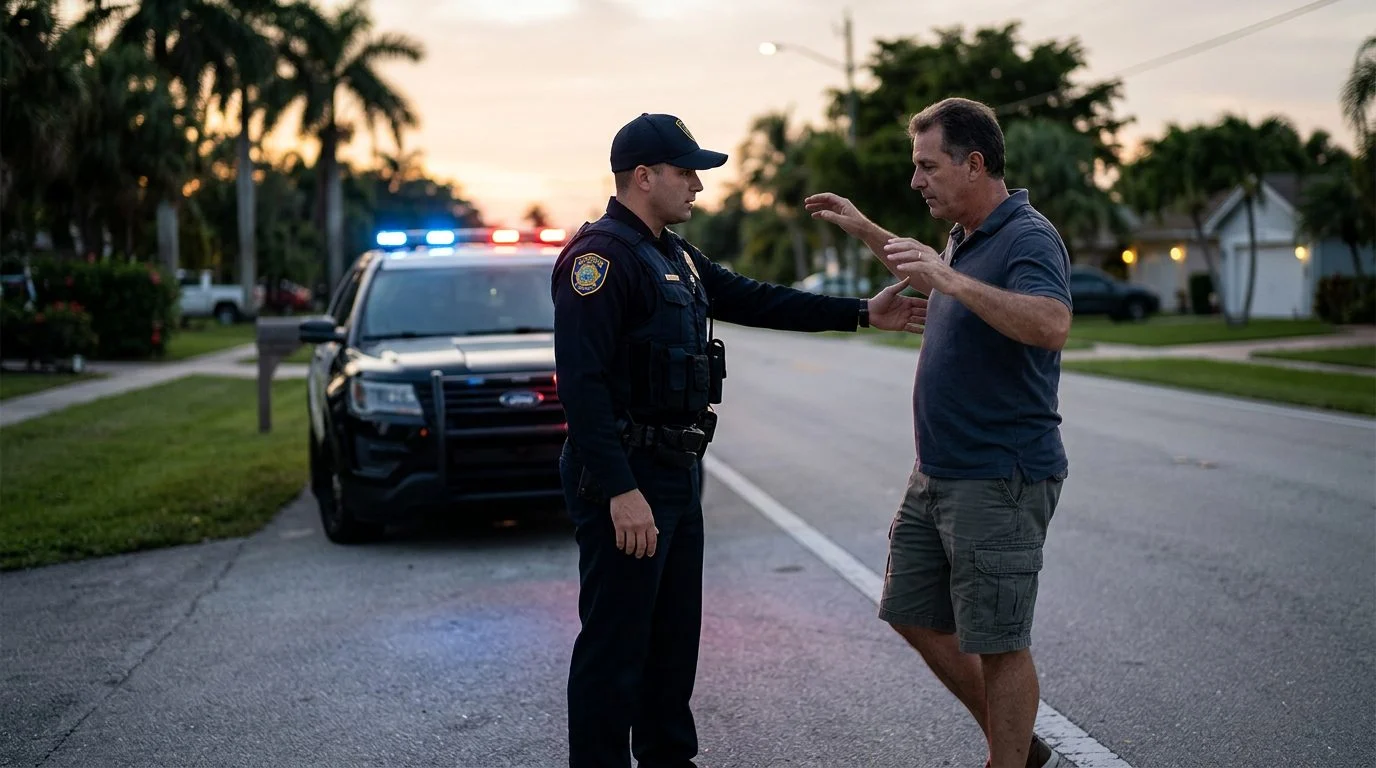
In some cases, yes. Florida law requires a blood test when an officer has probable cause to believe an impaired driver caused a death or serious bodily injury. Whether a particular draw was lawful depends on the facts, so the details matter from the start.
It says the officer “shall require” the driver to submit to a blood test. The officer may use reasonable force if needed. The statute also says the test does not have to be tied to a lawful arrest, unlike a breath test under Fla. Stat. § 316.1932, which must be incidental to a lawful arrest.
That makes this a separate track from a routine DUI stop. A roadside breath test and a blood draw after a deadly crash follow different rules. Many online summaries blur the two, which is why readers often come away confused.
Serious bodily injury has a legal definition too.
If police have asked for your blood after a crash that killed someone, our team can talk through your situation in a free, confidential first consultation. Talk it through with our team — the first consultation is free, confidential, and carries no obligation.
Implied Consent, Warrants, and Emergency Exceptions
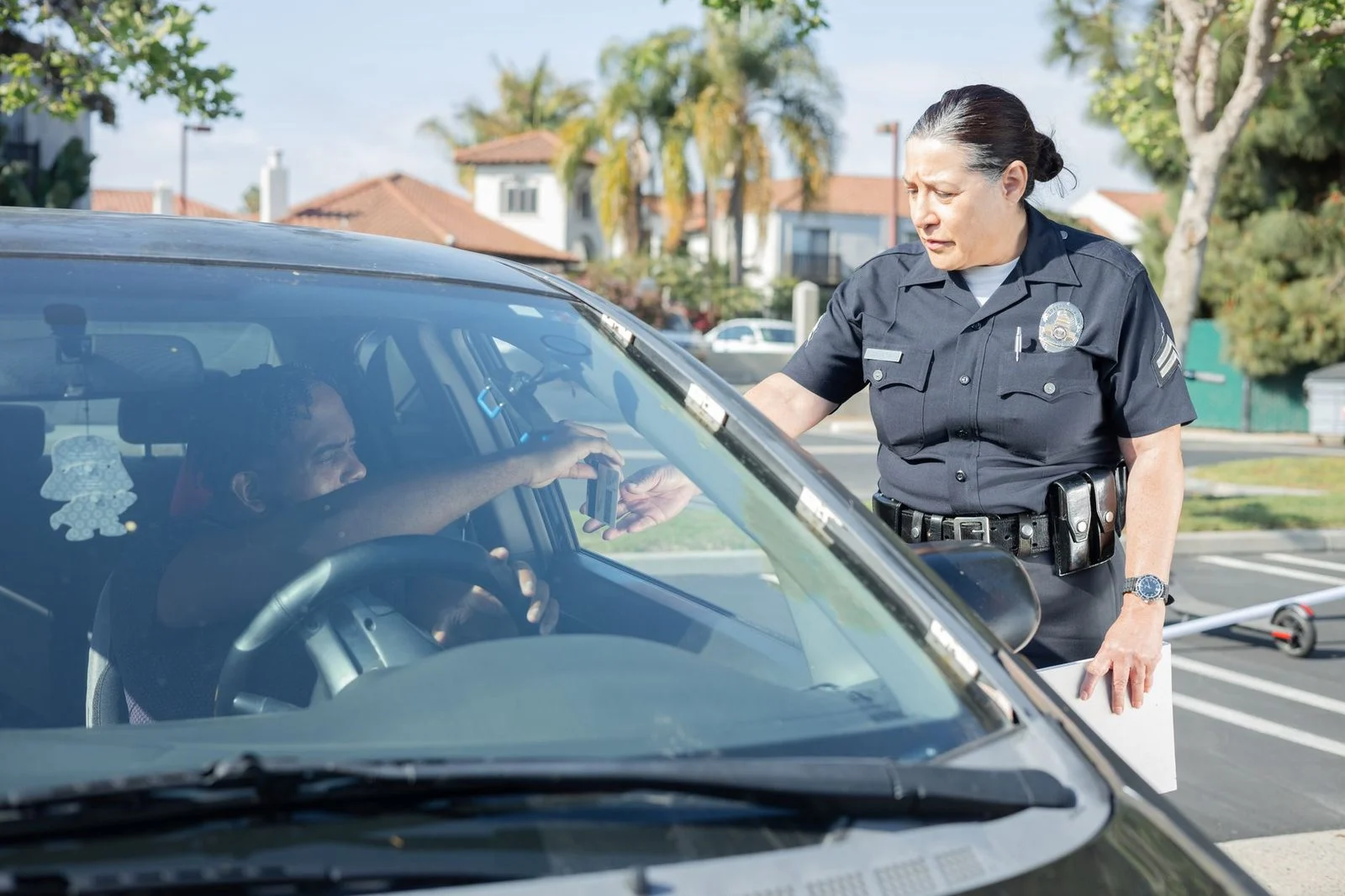
Florida’s implied consent law answers part of the question. Under Fla. Stat. § 316.1932, a driver is deemed to consent to an approved blood test in certain conditions. One condition is reasonable cause to believe the person was driving or in actual physical control of a motor vehicle while under the influence of alcohol or chemical or controlled substances, and this must be true together with the next condition. Another is that the driver goes to a hospital or medical facility and breath or urine testing is impractical or impossible.
The same statute covers drivers who cannot answer for themselves. A person who is unconscious, or unable to refuse for another physical or mental reason, is deemed not to have withdrawn consent.
Consent is not the only path. Your own timeline matters here, including when you were first contacted and what officers asked you.
Hospital Blood Draws Versus Police-Ordered Draws
A blood sample drawn for medical care is handled differently from one an officer requests at the scene. Under Fla. Stat. § 316.1933, only certain people may draw blood at an officer’s request. They include physicians, certified paramedics, registered nurses, licensed practical nurses, hospital-authorized personnel, and licensed clinical lab staff.
The statute also says an officer’s failure to request a blood draw does not affect whether a test taken for medical purposes can be admitted. Many readers don’t expect that. A hospital result is not automatically off limits just because police never asked for it.
Medical privacy also has limits. Under Fla. Stat. § 316.1932, alcohol information from a qualifying blood test is released on request to a court, prosecutor, defense attorney, or officer in a related DUI case. A hospital provider treating a person injured in a motor vehicle crash may also notify police if that person’s blood-alcohol level meets or exceeds the legal threshold. Fla. Stat. § 316.1932 reads: “Notwithstanding any provision of law pertaining to the confidentiality of hospital records or other medical records, if a health care provider, who is providing medical care in a health care facility to a person injured in a motor vehicle crash, becomes aware, as a result of any blood test performed in the course of that medical treatment, that the person’s blood-alcohol level meets or exceeds the blood-alcohol level specified in s. 316.193(1)(b), the health care provider may notify any law enforcement officer or law enforcement agency.” That notice can only be used to give officers reasonable cause to request a blood withdrawal.
What Happens to the Blood Sample and the Lab Result
The sample goes to a laboratory, and the number can become central evidence. Under Fla. Stat. § 316.1934, a blood alcohol analysis counts only if it followed methods approved by the Florida Department of Law Enforcement. It must also be run by someone holding a valid permit. Small procedural differences do not automatically make a result invalid, so collection and handling still get reviewed.
The number carries legal weight. A level of 0.08 or higher is prima facie evidence of impairment, meaning it is enough on its own unless it is rebutted. A level of 0.05 or less gives rise to a presumption of no impairment. Between 0.05 and 0.08, the number creates no presumption either way.
Charges follow from the crash and the investigation. Under Fla. Stat. § 782.071, vehicular homicide is the killing of a human being, or of an unborn child by any injury to the mother, caused by operating a vehicle in a reckless manner likely to cause death or great bodily harm. It is a second-degree felony, but it is a first-degree felony if the person has a prior conviction under this section, s. 316.193(3)(c)3., s. 327.35(3)(a)3.c., or s. 782.072. It becomes a first-degree felony if the driver knew or should have known the crash occurred and failed to give information and render aid.
A police report is not the final word. For more on how charging decisions are made, read about who decides a vehicular homicide charge in Miami-Dade. The broader framework is covered in our vehicular homicide defense overview.
Refusal, Timing, and Talking to a Miami Criminal Defense Lawyer
Refusing a blood test has consequences of its own. Under Fla. Stat. § 316.1932, a capable driver must be told that refusal means a license suspension. The suspension is 1 year for a first refusal, or 18 months if the privilege was previously suspended or if he or she has previously been fined under s. 327.35215 as a result of a refusal to submit to a test. The refusal is also admissible in evidence in any criminal proceeding.
The criminal refusal misdemeanor in Fla. Stat. § 316.1939 covers breath and urine tests. Blood refusal falls under the implied consent rules described above.
Charging deadlines are a separate question from when blood was drawn. Under Fla. Stat. § 775.15(1), a prosecution for a felony that resulted in a death may be commenced at any time. You can read more in our statute of limitations overview for vehicular homicide.
A fatal crash charge can also arise without any blood alcohol result. Our page on vehicular homicide without alcohol explains how reckless driving alone can lead to a charge.
Police must also give Miranda warnings before custodial interrogation.
This page is written by Patrick David Wilson, the responsible lawyer at Patrick Wilson Law, PLLC, in Miami, Florida. The firm defends people across Miami-Dade and Broward County against DUI and vehicular homicide charges.
Can police take blood after a fatal crash in Florida? Sometimes.
How the sample was collected still matters.
If police have asked for your blood after a crash that killed someone, or you’re waiting to learn whether investigators will bring a charge, you don’t have to work through it alone. Call 786-761-1719 or leave a message to set up a free, confidential first consultation with Patrick David Wilson in Miami. The first consultation is free, confidential, and carries no obligation to continue.
How Patrick Wilson Law Approaches These Cases
Focused Criminal Defense
Patrick David Wilson focuses on vehicular homicide, DUI and related criminal defense in South Florida, and the firm's lawyers review how evidence such as a blood sample was obtained.
Review of the Facts
Every case turns on the details: the officer's reasons, the request for testing, and how the sample was collected and handled.
Confidential First Conversation
The first consultation is free, confidential, and carries no obligation to continue.
Serving South Florida
Our team represents clients across Miami-Dade, Broward County, Miami Beach, Hialeah, Kendall, Homestead and the Florida Keys.
Speak With a Lawyer Before Discussing the Crash
Statements made to investigators after a fatal crash can shape the case that follows. Contact a lawyer before answering detailed questions about the crash or consenting to any testing.
Questions Drivers Ask After a Fatal Crash
Was There Probable Cause?
Whether an officer had grounds to request a blood test often depends on what happened at the scene and what the officer observed.
Was the Request Handled Properly?
The way a test was requested, performed and documented can matter as much as the test result itself.
What Happens to the Sample?
Chain of custody, lab procedures and timing can all become points of review in the defense.
Who Will Handle My Case?
Patrick David Wilson is the responsible lawyer for this page. Sahara Fonseca is also a lawyer at the firm, and our team supports every matter.

