
Vehicular Homicide Defense | Miami-Dade County
Were You a Passenger in a Fatal Crash? Understand Your Exposure in Miami
Patrick Wilson Law, PLLC focuses on vehicular homicide defense across Miami-Dade, Broward County and the Florida Keys. Learn how a passenger's role can affect a case and why early action matters.
By Patrick David Wilson · Published October 26, 2026
The Short Answer: Usually Not as the Driver, but Not Always Off the Hook
Usually, a passenger is not charged with vehicular homicide, because the statute is written around the person who operates the vehicle. Florida defines the offense as a killing caused “by the operation of a motor vehicle by another in a reckless manner likely to cause the death of, or great bodily harm to, another” (Fla. Stat. § 782.071).
That does not mean a passenger is in the clear. A passenger can also be a key witness, and what they say can shape how the case moves forward.
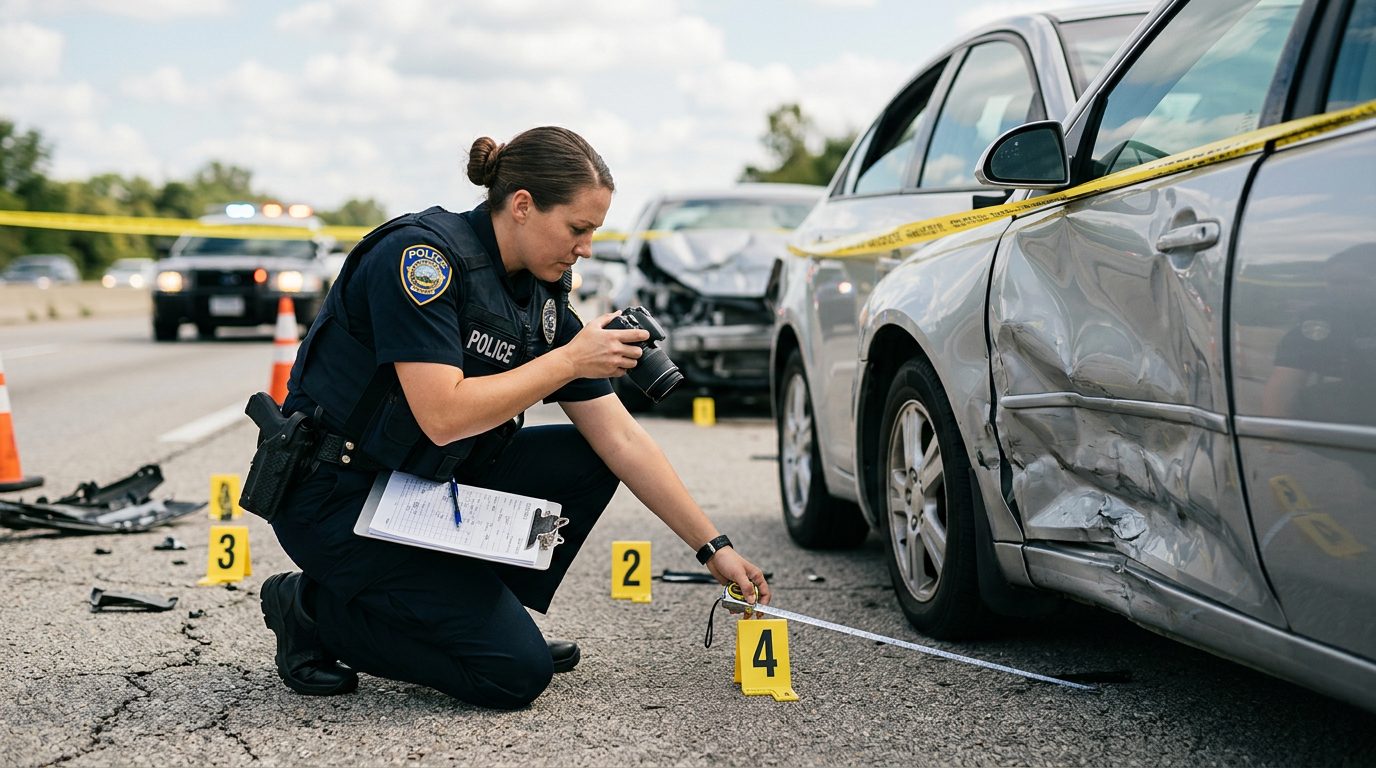
Investigators usually start by asking who was driving, how fast the car was going, and what each occupant saw. Those answers shape every charge that follows.
Patrick David Wilson is the responsible lawyer for this page. He practices with Patrick Wilson Law, PLLC, a firm with an office in Miami that defends clients across South Florida, from Broward County to the Florida Keys.
If you were riding in a car that crashed and someone died, you don't have to work out your exposure alone. Call 786-761-1719 or reach out to Patrick David Wilson in Miami. Talk it through with our team — the first consultation is free, confidential, and carries no obligation.
What Florida Law Says About Vehicular Homicide and Its Penalties
Vehicular homicide is a felony in Florida, and the basic version is a second-degree felony. The fine for a felony of the first or second degree generally cannot exceed $10,000 under § 775.083, unless the amount is double the offender’s pecuniary gain or the victim’s pecuniary loss, or a statute specifically authorizes a higher amount.
The statute also has a first-degree version. It applies if the person knew, or should have known, the accident occurred and failed to give information and render aid as required by § 316.062. The statute says this paragraph does not require knowing the crash caused injury or death. Because it turns on the operator’s conduct, the driver’s actions at the scene come under close review first.
Vehicular manslaughter is a different offense. Florida’s manslaughter law covers a killing caused by “the act, procurement, or culpable negligence of another” that is without lawful justification and is not excusable homicide or murder, and it is generally a second-degree felony, though aggravated manslaughter of an elderly person or disabled adult, a child, or an officer, firefighter, EMT or paramedic is a first-degree felony (§ 782.07). The word “procurement” matters for passengers. It can describe a death brought about through another person’s act, so a passenger’s role in a dangerous decision can matter. Our vehicular homicide overview page compares these charges in more detail.
How a Passenger’s Role in the Vehicle Changes the Charge
Charges follow what each person did, so a passenger who did not drive or control the car is judged differently from the driver. The passenger’s own conduct is what counts.
Examples include hiding the driver, hiding the car, or giving a false story to police. Acting after the crash can create exposure even when the passenger was not driving.
Whether either charge fits depends on the facts. The passenger’s knowledge before the crash and their actions afterward are central. Video from a dashcam or a phone often shows what each occupant did and said, and that evidence can help or hurt.
Passenger Testimony, Statements, and Rights
A passenger is often a key witness, and what they say can shape the case. Statements made at the scene or later can become evidence, so think before you speak.
A witness can be ordered to testify. Under Fla. R. Crim. P. 3.361, an attorney of record can request a subpoena for testimony. A witness who refuses to obey a subpoena, or leaves without being excused, may be held in contempt.
Your rights start early. Under Fla. R. Crim. P. 3.111, if a person says they cannot afford a lawyer, the booking officer must immediately connect them with the public defender for that circuit. Before answering police questions, many people choose to talk with a lawyer first. Our team is available for a free, confidential initial consultation with no obligation to continue.
A passenger may also know details about the vehicle, such as brake problems or warning lights before the trip. Those details can matter to how the crash is examined.
How Role in the Vehicle Can Affect Arrest, Custody, and Bond
Bond for a passenger depends on the charge and on the person’s background. The court weighs both before setting release terms.
Florida’s rule gives people charged with a crime a right to pretrial release on reasonable conditions, unless charged with a capital offense or an offense punishable by life imprisonment and the proof of guilt is evident or the presumption is great.
The purpose of a bail decision is to make sure the defendant appears at later proceedings and to protect the community from unreasonable danger (§ 903.046). The court must consider factors including the nature and circumstances of the offense, the weight of the evidence against the defendant, family ties, length of residence, immigration status, employment history, financial resources, mental condition, and past and present conduct.
Nonmonetary conditions are also possible. Under § 903.047, a court can require a defendant to maintain employment, follow travel or association limits, or report to an agency. Early legal help can shape which conditions are requested, but the judge makes the final decision.
Frequently Asked Questions About Passengers and Vehicular Homicide
Some versions are first-degree felonies.
Can a passenger be charged with vehicular manslaughter?
Manslaughter covers a killing caused by another person’s act, procurement, or culpable negligence, so a passenger’s role can matter.
Can charges against a passenger be dropped?
Charges can change as the evidence develops. An early review of statements, video, and the scene helps show where the case stands.
Is a passenger required to talk to police?
Talking with a lawyer first is your choice. If you are arrested, contact our team as soon as possible after booking to discuss how we can help.
Not sure what your next step is?
Talk it through with our team — the first consultation is free, confidential, and carries no obligation.
Talk With Patrick David Wilson About a Passenger Question in a Fatal Crash
If you were in the car when a crash killed someone, and now police or a prosecutor want to know what you saw, you may be worried about your own future. That worry is common, and you don’t have to sort it out alone.
Call 786-761-1719 or send a message through the contact form to talk through your facts with Patrick David Wilson. The first consultation is free, confidential, and carries no obligation to continue.
What We Review in a Passenger Case
Statements to Investigators
We review what was said at the scene, in police reports and in any interviews, and how those statements fit the timeline.
Your Actual Role in the Vehicle
Where you were seated, what you did or did not do, and who controlled the vehicle all matter to how the charges are assessed.
Video and Scene Evidence
Dash camera, surveillance footage, vehicle data and the physical scene can show what happened and where the case actually stands.
Charges That Can Change
The charges can shift as the evidence develops, so an early review helps identify the issues that deserve attention first.
Important: Speak With a Lawyer Before You Talk to Investigators
Statements made in the hours after a crash can shape a case for months. Before you answer detailed questions, consider speaking with a criminal defense attorney.
How to Get Started
Call the Office
Reach Patrick Wilson Law at 786-761-1719 to talk about your situation and the charges involved.
Leave Us a Message
Prefer to write first? Send us a message with a brief description of the crash and your role, and our team will follow up.
Schedule a Free Consultation
Our first consultation is free, confidential and comes with no obligation to continue. We will review the facts with you and explain the options.
Facing a Charge After a Fatal Crash? Talk With Patrick Wilson Law Today.
Related practice areas
- Vehicular Homicide Defense Attorney in South Florida: Charges, Penalties and How the Defense Is Built
- Fatal Crash Investigation in Florida Before Charges

