
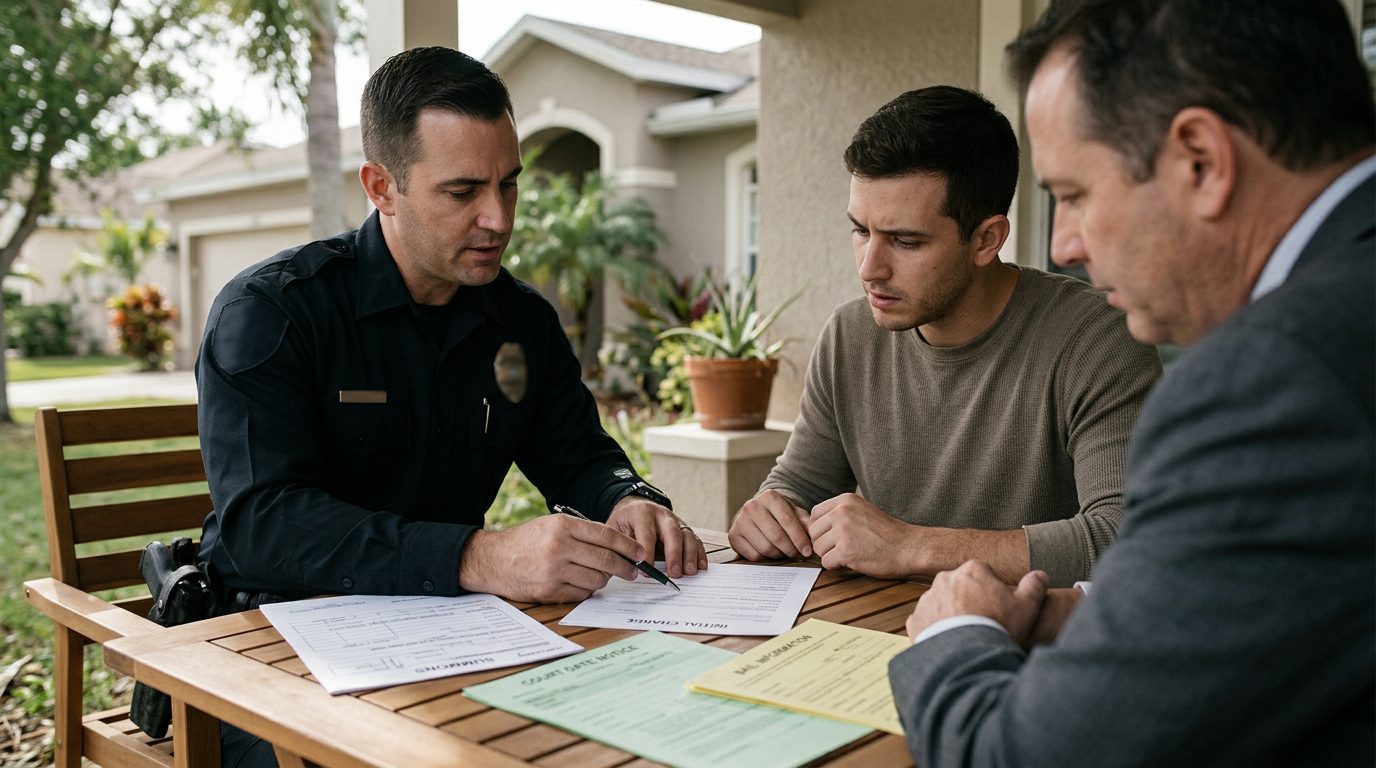
Vehicular Homicide Defense | Miami-Dade County
Charged After a Pedestrian Fatal Crash? Get a Miami Defense Lawyer on Your Side Now
Patrick Wilson Law, PLLC defends people across Miami-Dade, Broward and the Florida Keys facing vehicular homicide and leaving-the-scene charges after a pedestrian dies. Your free first consultation is confidential and comes with no obligation.
By Patrick David Wilson · Published October 23, 2026
A driver whose crash kills a pedestrian or cyclist in Florida can face a felony charge. The most common one is vehicular homicide. Florida law looks at how the driver operated the vehicle, not only whether the driver meant harm.
Patrick Wilson Law, PLLC is a Miami criminal defense firm. We defend people across South Florida, from Broward County to the Florida Keys, in fatal crash cases. This page explains the charges, the defense work and what to expect. If you need a pedestrian fatal crash charge lawyer in Miami, start here.
What a Pedestrian or Cyclist Fatal Crash Charge Means and Who This Page Is For
A pedestrian or cyclist fatal crash charge is a criminal case. It begins when a vehicle crash kills someone walking or biking, and prosecutors believe the driver acted criminally.
Vehicular homicide means a death caused by driving “in a reckless manner likely to cause the death of, or great bodily harm to, another” (Fla. Stat. § 782.071). It looks at the way you drove.
Florida’s crash law also gives special attention to “vulnerable road users.” That term includes pedestrians and people lawfully riding a bicycle, electric bicycle, motorcycle, scooter or moped on the roadway (Fla. Stat. § 316.027).
This page serves two groups. The first is drivers who have been arrested, are under investigation, or have heard that charges may follow. The second is family members who help make decisions in the first days after an arrest. The firm handles these cases in Miami-Dade, Broward, Fort Lauderdale, Hialeah, Kendall, Miami Beach, Homestead and the Florida Keys. Patrick Wilson Law concentrates its criminal defense work on DUI, vehicular homicide, leaving the scene and related charges.
If you struck a pedestrian or cyclist in Miami-Dade and aren't sure what comes next, we can talk through your options. Call 786-761-1719 or schedule a first consultation. Talk it through with our team — the first consultation is free, confidential, and carries no obligation.

The Charges Prosecutors Bring After a Pedestrian or Cyclist Death
Several related charges can appear in the same file.
- Second-degree felony. Vehicular homicide is a second-degree felony. Under Florida law, vehicular homicide is a second-degree felony.
- First-degree felony after leaving. Under section 782.071, vehicular homicide is a second-degree felony, but it becomes a first-degree felony if, at the time of the accident, the person knew, or should have known, that the accident occurred and failed to give information and render aid as required by section 316.062, or if the person has a prior conviction under section 782.071, DUI manslaughter, BUI manslaughter, or vessel homicide. This first-degree felony also applies if, at the time of the accident, the driver knew or should have known that the accident occurred and failed to give information and render aid as required by Fla. Stat. § 316.062. The statute does not require proof that the driver knew someone was hurt or killed.
- First-degree felony with a prior. A prior conviction under this section, or under certain related impaired-driving laws, also raises the charge to a first-degree felony.
- Leaving the scene. A driver who willfully fails to stop and remain after a fatal crash commits a first-degree felony and shall be sentenced to a mandatory minimum term of imprisonment of 4 years. The defendant may move to depart from that minimum only if the violation was not committed while driving under the influence, and the court may grant the motion only if it finds that imposing the minimum would constitute or result in an injustice. A willful violation is a first-degree felony with a mandatory minimum term of imprisonment of 4 years, and the same 4-year minimum applies when the violation happens while driving under the influence (Fla. Stat. § 316.027). The defendant may move to depart from the minimum unless the violation was committed while driving under the influence, and the court may grant the motion only if it finds that imposing the minimum would constitute or result in an injustice.
- Impairment. The state can allege impairment. Florida’s DUI law applies to a person who is driving or in actual physical control of a vehicle within this state while under the influence of alcohol, chemical substances, or controlled substances, to the extent that the person’s normal faculties are impaired (Fla. Stat. § 316.193).
What the Defense Work Covers in a Pedestrian or Cyclist Case
Defense work in these cases looks closely at the scene, the timeline, the test results and the state’s proof. Each piece can change how the case looks.
- Scene and right-of-way. Lighting, roadway design and exact positions matter. At a signal, a driver must stop before the crosswalk for a pedestrian with a permitted signal. The law also bars a pedestrian from suddenly leaving a curb into a vehicle’s path when the driver cannot yield.
- Video and data. Dashcam footage, traffic cameras, business surveillance and phone records can show movement and timing. Early requests matter because this evidence can be lost.
- Blood testing. In a crash where a person under the influence has caused death or serious bodily injury, an officer with probable cause must require a blood test. The officer may use reasonable force if needed (Fla. Stat. § 316.1933). A blood-alcohol level of 0.08 or higher is prima facie evidence of impairment. A level of 0.05 or less creates a presumption against it (Fla. Stat. § 316.1934). Testing must follow approved methods. Insubstantial differences from those methods, or insubstantial defects in the permit, in any individual case do not render the test or test results invalid.
- Charging and resolution. The work includes reviewing charges, negotiating with the State Attorney’s Office, filing motions and preparing for trial if the case does not resolve.
How the Process Works, Step by Step
Most cases move through first contact, protection of your rights, evidence requests, charging and resolution. Timelines vary, but the early steps matter most.
- First contact. Your first step is a confidential first consultation. We review what happened, what you have been told and what comes next.
- A driver in a crash that injures or kills someone, or damages a vehicle or property that is driven or attended, must give name, address and registration number, and must render reasonable assistance to anyone injured. That duty, when information is given to a law enforcement officer making a written report relating to a crash, does not extend to information that would violate the right against self-incrimination (Fla. Stat. § 316.062).
- Evidence requests. We request video, records and data early, while they still exist.
- Charging clock. For a defendant in custody, the state must file formal charges within 30 days of arrest. Custody cannot exceed 40 days without charges (Fla. R. Crim. P. 3.134). For a defendant on pretrial release, the deadline is 60 days. A court may extend that by up to 30 more days for good cause.
- Pretrial and resolution. Motions, negotiation and trial preparation follow. A person charged under the DUI statute has the right to a jury trial (Fla. Stat. § 316.1934).
Special Situations: Licensed Professionals, Non-Citizens, Prior Records and First-Time Offenders
Each of these groups faces consequences beyond the immediate charge. Those consequences shape the defense from the start.
- Licensed professionals. A felony charge can affect a career and the license that supports it. We coordinate the defense with those concerns from the first consultation.
- Non-citizens. Federal law lists several crime types that make a non-citizen deportable, including certain crimes of domestic violence. Immigration effects should be reviewed before any plea decision.
- First-time offenders. A clean record can matter in charging and negotiation. Florida’s sealing law requires that a person has never been adjudicated guilty of a criminal offense in Florida. It also requires that the person was not adjudicated guilty for acts stemming from the arrest (Fla. Stat. § 943.059). A guilty adjudication in this case would therefore block sealing of that record. A court may also seal records for one arrest or incident only, with narrow exceptions. Fla. Stat. § 943.059 reads: “(c) The court may order the sealing of a criminal history record pertaining to one arrest or one incident of alleged criminal activity only, except the court may order the sealing of a criminal history record pertaining to more than one arrest if the additional arrests directly relate to the original arrest.”
- Prior DUI or suspended-license history. A vehicular homicide charge becomes a first-degree felony if the person has a prior conviction under this section, s. 316.193(3)(c)3., s. 327.35(3)(a)3.c., or s. 782.072.
Why Patrick Wilson Law for a Pedestrian or Cyclist Fatal Crash Case
Patrick Wilson Law, PLLC is a Miami criminal defense firm. It concentrates its practice on DUI, vehicular homicide, leaving the scene and related charges in South Florida.
- Responsible lawyer. Patrick David Wilson is the responsible lawyer for this page. Sahara Fonseca is also one of the firm’s lawyers.
- Practice areas. The firm also handles sexual battery, domestic violence, white collar crime and criminal defense for licensed professionals, non-citizens and first-time offenders.
- Service area. The firm serves Miami-Dade, Broward and the Florida Keys, including Fort Lauderdale, Hialeah, Kendall, Miami Beach and Homestead.
- Team support. Our team includes assistants and office staff who help with scheduling and paperwork.
- Plain communication. We explain the charges, the timeline and your options in plain language.
Not sure what your next step is?
Talk it through with our team — the first consultation is free, confidential, and carries no obligation.
Common Questions About Pedestrian and Cyclist Fatal Crash Charges
Will I be arrested if I left the scene?
Arrest depends on the facts at the scene. Leaving a fatal crash is a serious felony under Florida’s crash law.
The duty to make a report or give information to a law enforcement officer making a written report about a crash does not extend to information that would violate your privilege against self-incrimination.
Can I keep driving or get my license back?
That turns on the charges and the court’s orders. Driving on a suspended license is a separate offense.
How much does a first consultation cost?
The first consultation is free, confidential and carries no obligation to continue.
Can the firm take my case if I’m in another county?
We handle matters across Miami-Dade, Broward and the Florida Keys. If a case may need a lawyer or firm outside our practice, we will tell you.
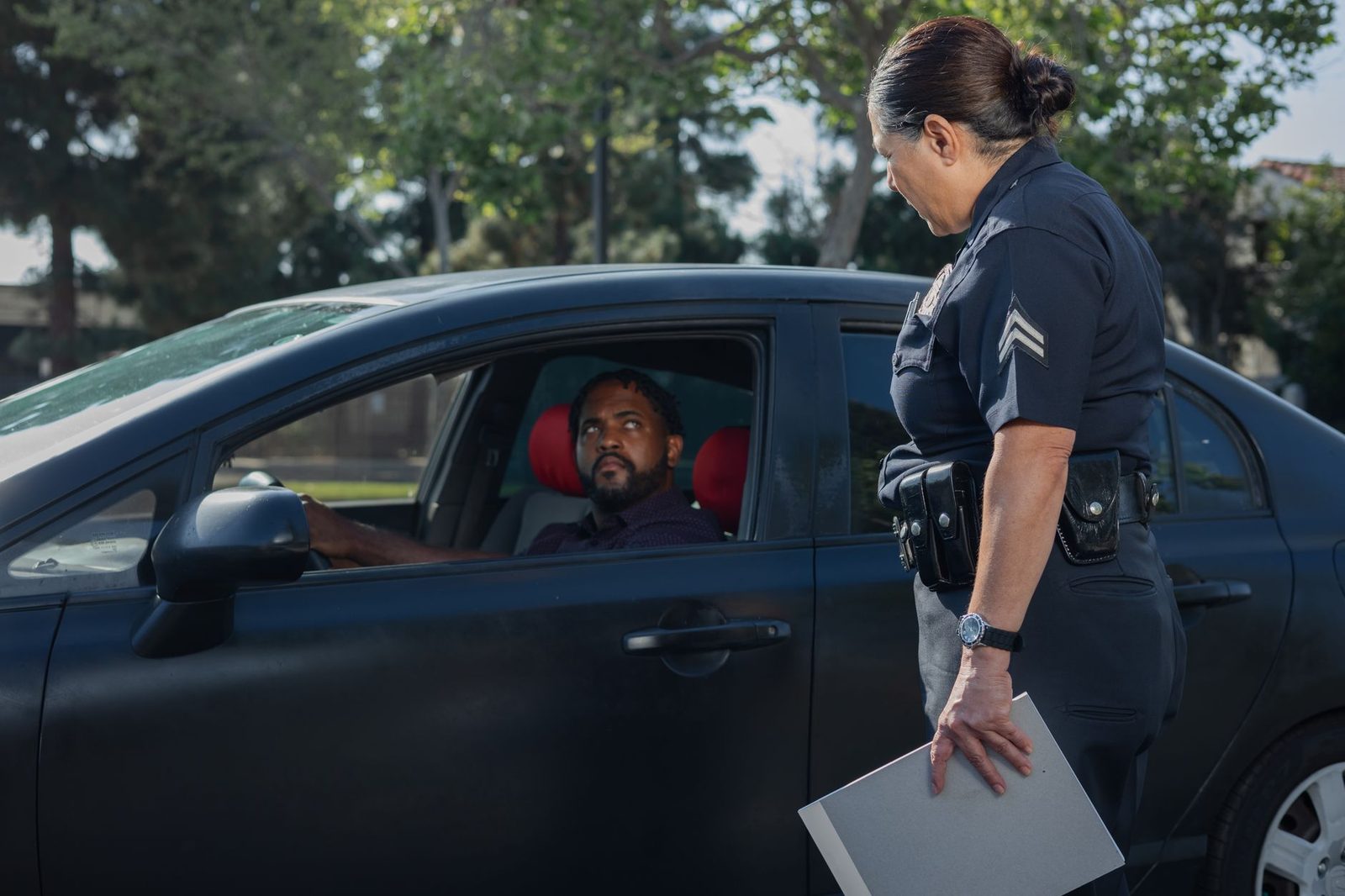
Talk With a Miami Criminal Defense Lawyer About Your Case
If you struck a pedestrian or cyclist in Miami-Dade and face possible charges, the first days matter. You may not know what to say, what happens next or what the state can prove. If you need a pedestrian fatal crash charge lawyer in Miami, you don’t have to face this alone. Call 786-761-1719 or use our contact page to schedule your first consultation.
How We Approach a Pedestrian Fatal Crash Case
Protecting you from the first call
Early decisions about statements, searches and contact with investigators can shape a case. We help you understand your position before you say more.
Reviewing the crash evidence
We examine the police report, scene measurements, vehicle data, traffic camera footage and witness accounts to test how the crash happened.
Building a clear defense strategy
We look at how speed, visibility, lighting, roadway conditions and the pedestrian's actions bear on the charge, and we plan the defense from those facts.
Clear communication
Our team keeps you informed about each step of the case so you understand what is happening and what comes next.
Speak With a Lawyer Before You Speak With Investigators
A pedestrian death brings fast investigations and difficult questions. Anything you say at the scene or afterward can become part of the record. Call a defense lawyer before giving a statement.
Common Questions About These Charges
Will I be arrested?
Arrest depends on the facts at the scene, the investigation that follows and what officers can document. Contact a lawyer as soon as you learn an investigation is underway.
What if I left the scene?
Leaving the scene of a crash that causes a death is a serious felony under Florida's crash law. Those charges are often filed alongside vehicular homicide and need a separate defense.
Can I keep driving?
Driving privileges depend on the charges and any court orders in your case. Driving while suspended is a separate offense, so ask a lawyer before you drive.
How do I start?
Call Patrick Wilson Law, PLLC at 786-761-1719 or request your free first consultation. It is confidential and comes with no obligation to continue.

