
Vehicular Homicide Defense | Miami-Dade and Broward Counties
Talking to Police After a Fatal Crash? Speak With a Lawyer First.
Patrick Wilson Law, PLLC focuses on criminal defense in South Florida, including vehicular homicide and leaving the scene cases. Your first conversation is free and confidential.
By Patrick David Wilson · Published October 30, 2026
Many people ask, “Should I talk to police after a fatal car accident?” The short answer is that Florida law requires you to stop, stay, and give basic identifying information and reasonable aid.
This page is written by Patrick David Wilson, the responsible lawyer at Patrick Wilson Law, PLLC, a criminal defense firm in Miami, Florida. The firm focuses on criminal defense, including leaving the scene of an accident and vehicular homicide cases.
Why This Question Matters Right After a Fatal Crash
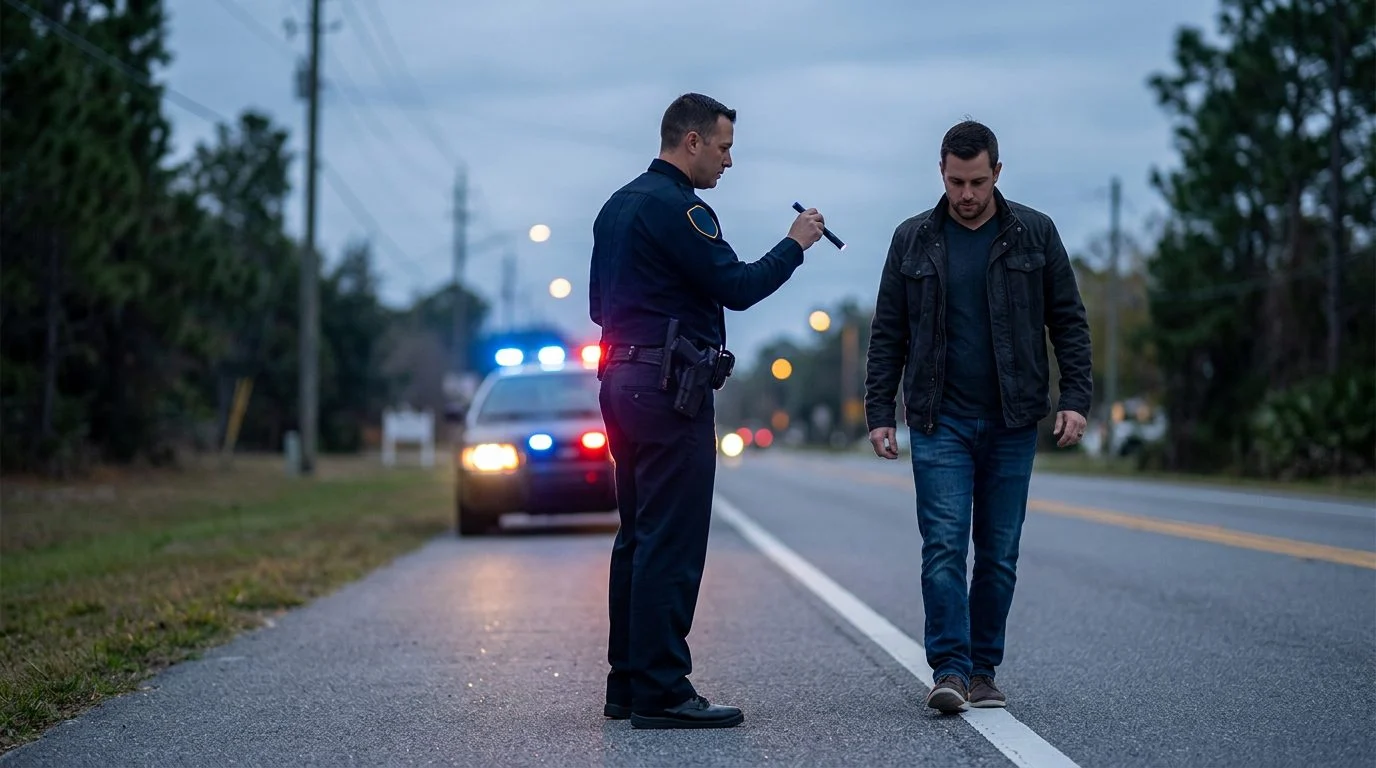
Right after a fatal crash, you may have only minutes to decide what to say to police. Shock makes clear thinking hard, and that is when costly mistakes happen.
Your role changes the picture. The driving duties in Florida’s crash statute apply to the driver of the vehicle (Fla. Stat. § 316.062). Passengers, witnesses, and family members face different questions. The core idea is the same: you can cooperate and still protect your rights.
If you are researching for a relative or friend, you may not know what they said at the scene. That gap is one reason the early facts matter.
Crash reports also reach more people than you might expect. The parties involved, their legal representatives, and their insurers can access them (Fla. Stat. § 316.066).
If police are asking about a crash that killed someone, you don't have to sort it out alone, and our team is glad to talk through your situation. Talk it through with our team — the first consultation is free, confidential, and carries no obligation.
What Florida Law Requires at the Scene
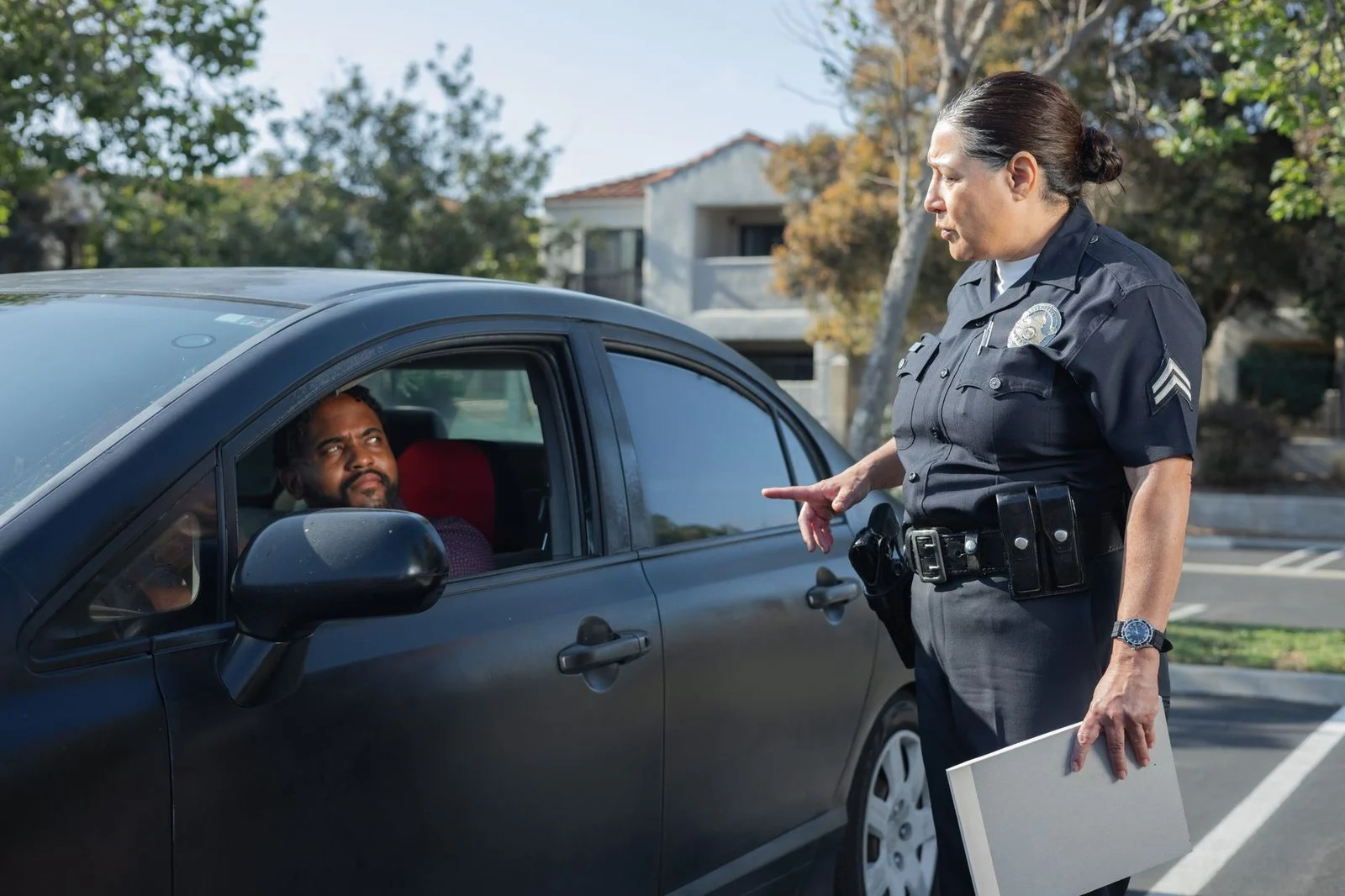
Yes, Florida requires a driver in a fatal crash to stop, stay, and give required information. A driver in a crash that causes a death must immediately stop at the scene, or as close as possible, and stay until the required steps are done (Fla. Stat. § 316.027).
Willfully leaving the scene is a serious crime: under Fla. Stat. § 316.027, a willful violation that causes serious bodily injury is a felony of the second degree. A willful violation in a fatal crash is a first-degree felony with a mandatory minimum prison term of four years, though the defendant may move to depart from that minimum unless the violation was committed while driving under the influence.
The driver must remain at the scene until the requirements of Fla. Stat. § 316.062 are fulfilled, which include giving name, address, and vehicle registration number. That includes arranging transport to medical care if treatment is apparent or requested (Fla. Stat. § 316.062).
Drivers in a crash with injury or death must also notify police right away, by the quickest means of communication (Fla. Stat. § 316.065).
Insurance comes up as well.
Required Information Versus a Statement About the Crash
Required information is who you are, how to reach you, and basic vehicle details. A story about speed, signals, lanes, or who caused the crash is a separate matter.
The statute draws this line itself. The duty to give information to an officer writing a crash report does not reach information that would violate your privilege against self-incrimination (Fla. Stat. § 316.062).
If you’re wondering whether you should talk to police after a fatal car accident, split those two things apart. Give your identifying information. Then calmly say you want to speak with a lawyer before answering questions about how the crash happened.
A calm, short answer protects you. It also gives a lawyer something accurate to work with.
Accuracy matters as much as silence. Giving information you know, or have reason to believe, is false in a required report is a second-degree misdemeanor (Fla. Stat. § 316.067).
Officers write down what they hear. Statements made at the scene, in a patrol car, or at a hospital can end up in an officer’s notes, even when the speaker only meant to help.
Your Right to Remain Silent and When Miranda Applies
The Fifth Amendment protects against self-incrimination.
Florida’s rule for criminal cases says an accused person may choose to testify, but cannot be compelled to give testimony against themselves.
Police can also arrest at a crash scene. An officer who investigates may arrest a driver when there are reasonable and probable grounds to believe the driver committed a crash-related offense (Fla. Stat. § 316.645).
How Police Statements Are Used After a Fatal Crash
Police statements become part of the investigation and can shape which charges are considered. Investigating officers complete a Florida Traffic Crash Report, Long Form, for crashes that result in death, personal injury, or any indication of complaints of pain or discomfort, and for certain other crashes, such as those involving a commercial motor vehicle. It must be submitted within 10 days after the investigation is completed (Fla. Stat. § 316.066).
Investigators compare a driver’s account with the physical scene, witness accounts, and other evidence. A small gap between memory and evidence can matter. A North Miami Police Department DUI document describes blood or urine requests after fatal crashes.
Vehicular homicide is the charge many people fear. Florida defines it as killing a human being, or an unborn child by any injury to the mother, by operating a motor vehicle in a reckless manner likely to cause death or great bodily harm (Fla. Stat. § 782.071).
It is a second-degree felony. It becomes a first-degree felony if the driver knew or should have known the accident occurred and failed to give information and render aid, or if the person has a prior conviction under this section, s. 316.193(3)(c)3., s. 327.35(3)(a)3.c., or s. 782.072. That rule does not require knowing that anyone was hurt.
When the Injured Person Dies Later or Evidence Is Still Being Gathered
A case can change when the person hurt in a crash dies later. Florida grades leaving-the-scene charges by injury level. Other injury is a third-degree felony. A person who willfully fails to stop and remain at the scene of a crash that results in a death commits a first-degree felony under Florida law.
Serious bodily injury means a physical condition that creates a substantial risk of death, serious disfigurement, or protracted loss of function of a body part or organ.
The outcome depends on the facts, the evidence, and the specific charges. No one can predict how a particular case will end. Investigations can continue after the scene is cleared, so early statements may be reviewed later.
Family members should also know that the vehicular homicide statute creates a right to bring a civil damages claim for these deaths (Fla. Stat. § 782.071).
Not sure what your next step is?
Talk it through with our team — the first consultation is free, confidential, and carries no obligation.
Practical Steps and Talking to Your Own Insurer
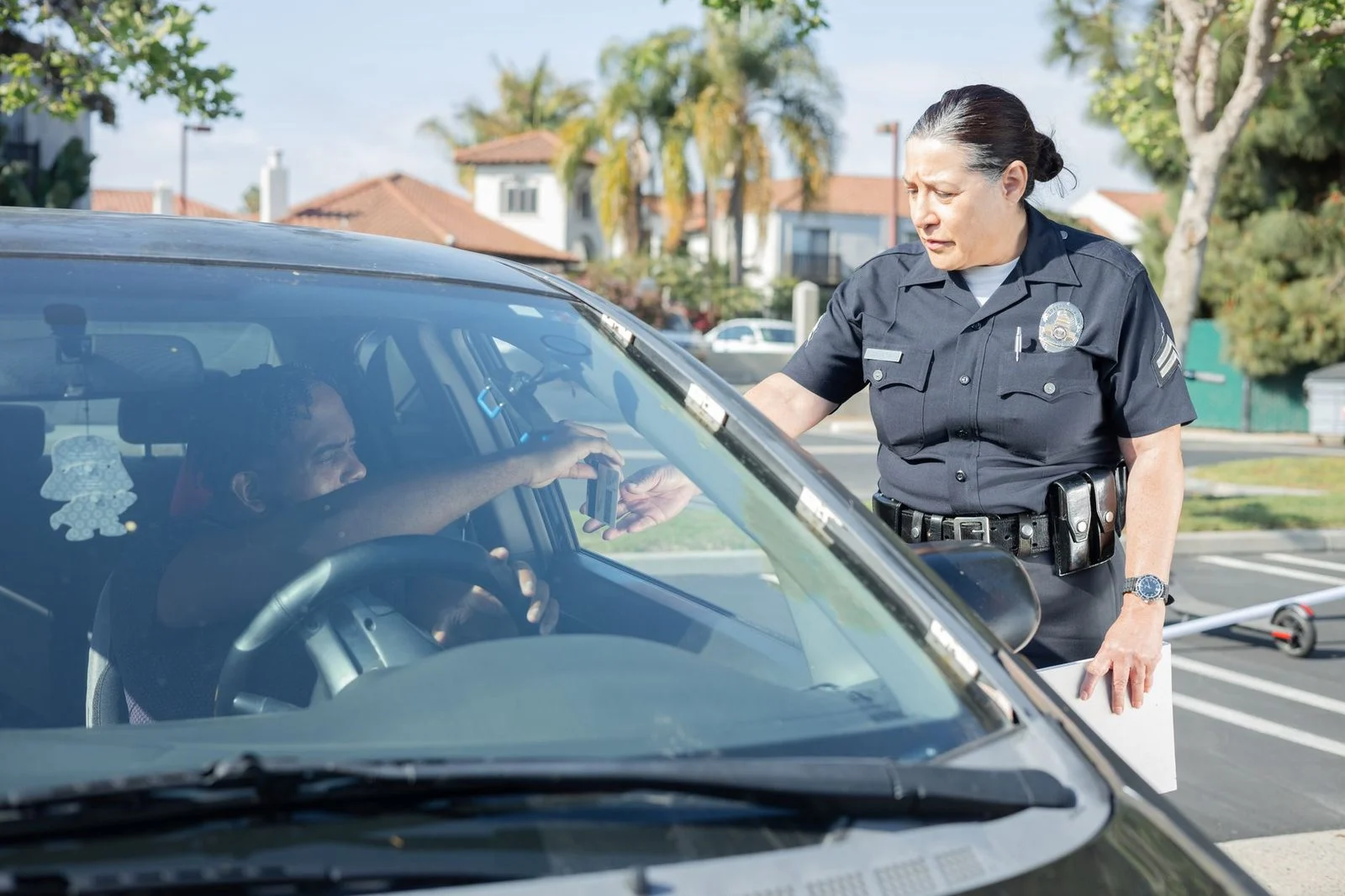
The safest first steps are to stay calm, stay at the scene, and share only the required information. Don’t guess about speed, distance, or right of way.
Write down what you remember as soon as you safely can. Note who you spoke with and when. Keep copies of anything you sign or receive at the scene.
Insurance adjusters are a separate conversation. A recorded or written account given to your insurer can be used later, so think before you describe the crash.
Asking for a lawyer before answering crash questions is a reasonable step. Say it politely, and you can get advice before you go further.
Frequently Asked Questions
Should I talk to police after a fatal car accident in Florida?
Florida law requires identifying information and reasonable aid. The duty to give information to a law enforcement officer making a written report does not extend to information that would violate your privilege against self-incrimination.
Is leaving the scene of a fatal crash a felony in Florida?
Yes, when the driver willfully fails to stop and remain at the scene, as Fla. Stat. § 316.027(2)(c) provides. Under Fla. Stat. § 316.027(2)(c), a driver who willfully violates the duty to stop and remain at the scene of a crash that results in the death of a person commits a first-degree felony and shall be sentenced to a mandatory minimum term of imprisonment of 4 years.
Can I be charged with vehicular homicide if I did not know anyone was hurt?
Florida’s statute can apply even when a driver did not know anyone was hurt. It can apply when a death is caused by the operation of a motor vehicle in a reckless manner likely to cause death or great bodily harm, and the driver knew or should have known a crash occurred and failed to give information and render aid.
Is it a crime to give false information after a crash?
Yes. Giving information in a required report while knowing, or having reason to believe, that it is false is a second-degree misdemeanor.
If you are dealing with questions after a crash that killed someone, or you are trying to help a relative who is, you don’t have to work through it alone. Patrick Wilson Law, PLLC offers a free, confidential first consultation with no obligation to continue. Call 786-761-1719 or request a consultation.
Why Call a Lawyer Before Answering Questions
Your words can be used later
Statements made at the scene or at the station can become part of the investigation file.
Early decisions matter
What you say and sign in the first hours can shape how your case develops.
Clear answers, not guesses
A lawyer can help you understand what the officer is asking and how to respond carefully.
Preparation before the interview
Talking through the facts with counsel first helps you avoid errors made under stress.
Key Warning
Do not guess, explain or argue the facts of the crash with police before you have spoken to a lawyer. Calm, brief and careful is the safest approach.
Cases We Handle After a Fatal Crash
Vehicular Homicide
Defense for drivers charged after a crash that caused a death, including the investigation and charging stages.
Leaving the Scene of an Accident
Defense for drivers accused of leaving a crash involving injury or death, including cases where the driver says they did not know.
DUI-Related Crashes
Defense when alcohol or drugs are alleged to have played a role in a fatal collision.
Speak With Patrick Wilson Law Before You Speak With Investigators
Related practice areas
- Vehicular Homicide Defense Attorney in South Florida: Charges, Penalties and How the Defense Is Built
- Event Data Recorder in a Fatal Crash: What the Airbag Module Shows Prosecutors in Florida
- Miami Vehicular Homicide vs. Manslaughter in Florida

