
Miami Vehicular Homicide Defense | Vehicle Release
Your Car Was Impounded After a Fatal Crash? Know Your Next Steps
Getting a vehicle back while a criminal case is open involves agency holds, paperwork and questions that should be handled with care.
By Patrick David Wilson · Published November 20, 2026
When a car is impounded after a fatal crash in Florida, police usually hold it as evidence until the investigation no longer needs it. The car often sits at a police lot or tow yard, and the owner can’t simply drive it away. This guide explains why the hold happens, who can ask for the car back, what paperwork and fees usually come up, and where forfeiture fits in.
If you own the car, you’re a family member, or you’re the driver, the steps below apply to South Florida cases from Broward County to the Florida Keys. Each case turns on its own facts and the specific charges involved.
Why a Car Is Held After a Fatal Crash in Florida
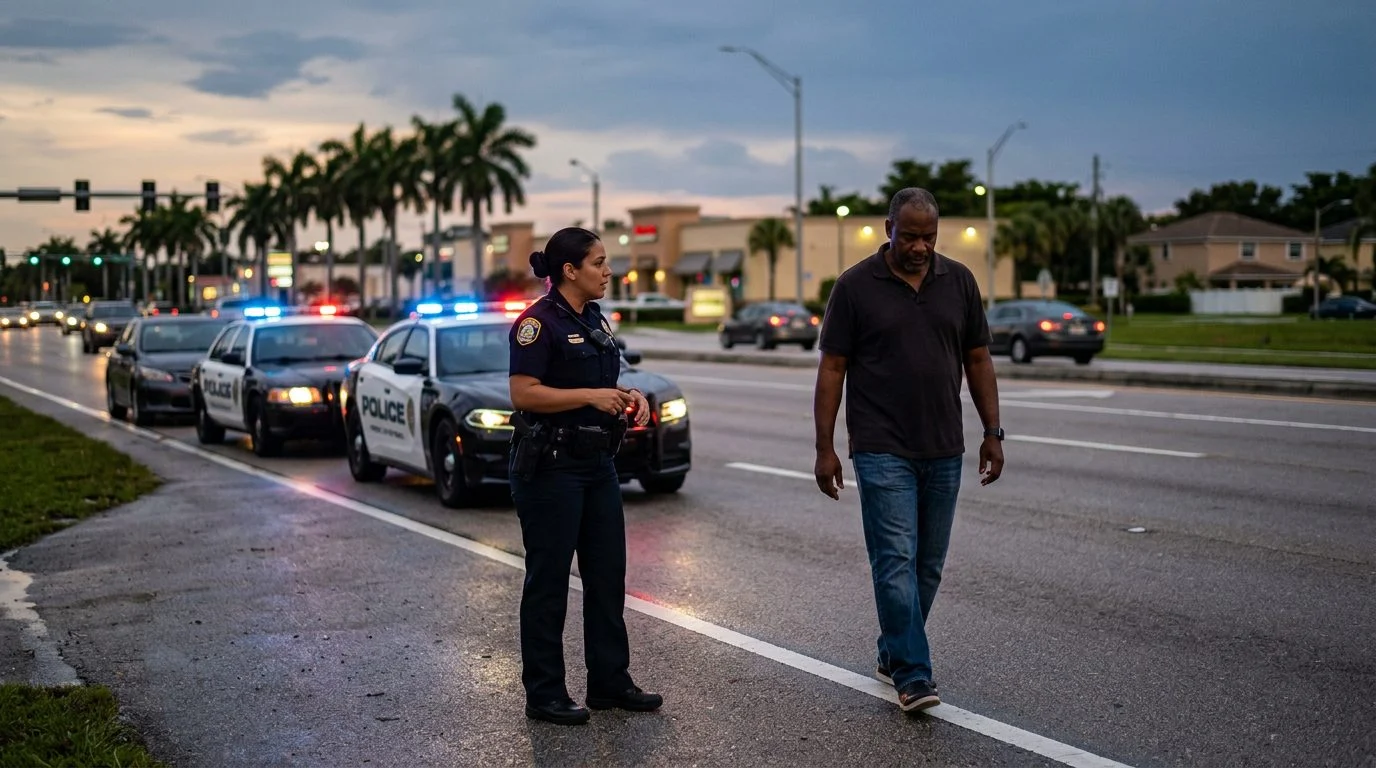
A car is held after a fatal crash because investigators treat it as physical evidence. Officers may take it to a police lot or a contracted tow yard so they can inspect it closely.
Investigators look at damage patterns, braking, speed indicators, and any mechanical defect that may have played a role. If impairment is suspected, the law allows more testing. When an officer has probable cause to believe an impaired driver caused a death or serious bodily injury, the officer shall require a blood test, and may use reasonable force if needed.
An officer at the scene may also arrest a driver involved in the crash when the officer has reasonable and probable grounds to believe the driver committed an offense in connection with the crash.
It helps to know two kinds of holds. An evidence hold keeps the car while investigators still need it. A DUI impoundment is different. Which one applies depends on the facts of your case.
If your car is still held at a tow yard after a fatal crash arrest, our team can walk you through the hold, the paperwork, and your options in a free, confidential consultation. Talk it through with our team — the first consultation is free, confidential, and carries no obligation.
Who Can Ask for the Vehicle Back
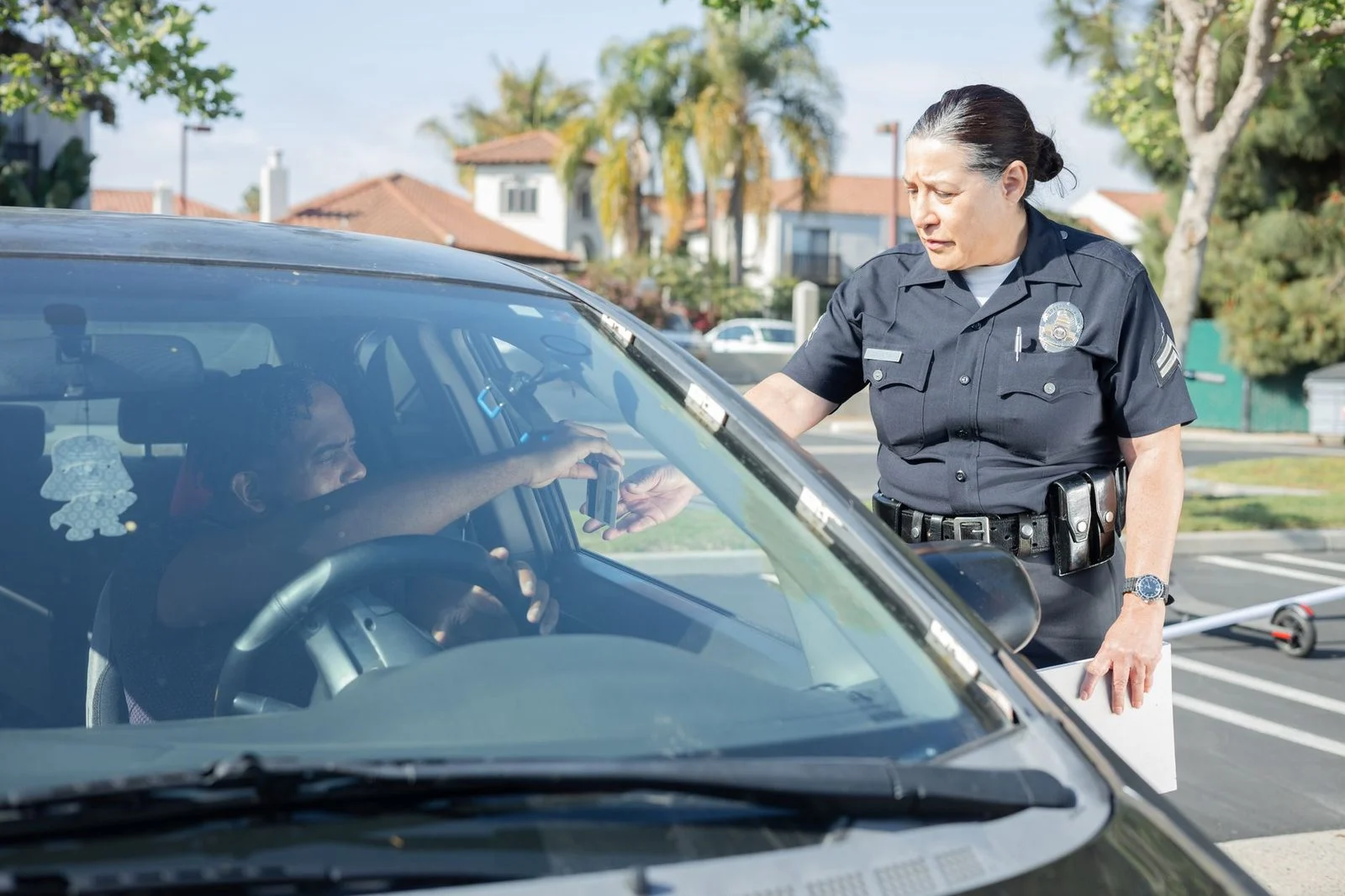
The registered owner and any lienholder usually have the strongest claim to ask for a car back. The owner and the driver aren’t always the same person, so ownership records matter.
If the owner was not driving, the statute gives that owner a path in DUI impoundment cases. The owner may submit a police report showing the car was stolen at the time of the offense. The owner may also document a purchase made after the offense from someone other than the defendant or the defendant’s agent. Under the statute, the impoundment or immobilization order may be dismissed in accordance with paragraph (e), paragraph (f), paragraph (g), or paragraph (h).
The tow yard’s rules will usually control who can pick up the car on the day of release.
Start by asking the agency that placed the hold, or the tow yard listed on the impound notice, which office handles release requests. Keep the notice, the case or report number, and the tow yard’s name handy when you call.
Typical Steps Toward Release
First, confirm the hold status with the investigating agency before you go to the tow yard. A car can stay on hold while the case is active, and a trip with no release can cost you time and money.
Next, gather proof of ownership, such as the title or registration. Bring a valid photo ID and current proof of insurance. Expect the agency to require a written release authorization before it clears the hold.
Ask for a written list of every charge before you pay. That list should show towing, storage, and any release fees. Request that personal items be recorded on the release form.
At pickup, inspect the car and its contents carefully. Note any new damage or missing property before you sign anything.
Under the crash report statute, you must show valid identification and file a written sworn statement for each report you request.
Tow Yard Storage Fees and Who Pays Them
Storage charges grow the longer a car sits at the lot. Delay is often the biggest cost driver, so ask about timing early.
Towing, storage, and release fees are separate charges. Each one should appear on an itemized invoice. Don’t accept a single lump-sum number without a breakdown.
Ask whether each fee is owed to the tow company, the agency, or both. Request the rate and the date storage started in writing.
In a DUI impoundment, Florida law gives owners and lienholders a specific route. That complaint asks whether the car was wrongfully taken or withheld. The owner may get the car released by posting a bond or other adequate security. The amount must equal the costs and fees for impoundment, including towing or storage.
Don’t ignore notices from the agency or the tow yard. Read every notice and note every deadline it lists.
Can the Vehicle Be Forfeited in a Fatal Crash Case?
Forfeiture is possible in some cases, but it depends on the charges and how the car was used. A forfeiture claim is not automatic in every fatal crash case.
Florida’s contraband statute covers controlled-substance violations. Property connected to those violations may be seized and forfeited under the Florida Contraband Forfeiture Act.
Under § 893.12(2)(b), an owner’s or lienholder’s interest in real property, to the extent of that interest, is protected from forfeiture where the owner or lienholder establishes that the act leading to the forfeiture was committed or omitted without their knowledge or consent. If you own a car that someone else drove, records about that vehicle may be relevant to what you knew.
If you receive any seizure or forfeiture notice, act on it right away. Don’t wait for the criminal case to end before you respond.
Leaving the Scene: Why Hit-and-Run Cases Change the Vehicle Picture
The driver must stop, stay, and help as the law requires.
The law says a driver involved in a crash resulting in death must immediately stop at the scene and remain there until the duties under the duty-to-give-information statute are met. A person who willfully violates that duty commits a first-degree felony. That offense carries a mandatory minimum term of 4 years in prison, but the defendant may move to depart from that minimum unless the violation was committed while driving under the influence, and the court may grant the motion only if it finds that imposing the minimum would constitute or result in an injustice. The driver’s license must also be revoked for at least 3 years.
The driver must also give their name, address, and registration number, and render reasonable assistance. The duty-to-give-information statute covers those requirements. The state’s hit-and-run safety page also explains the duty to remain at a crash scene.
Vehicular homicide is a second-degree felony. It becomes a first-degree felony if the person knew, or should have known, the accident occurred and failed to give information and render aid, or if the person has a prior conviction under this section, s. 316.193(3)(c)3., s. 327.35(3)(a)3.c., or s. 782.072. The law doesn’t require proof that the driver knew the crash caused injury or death.
Vehicles in hit-and-run cases are often found through the damage they show. That is one reason a car can be located and held quickly.
Not sure what your next step is?
Talk it through with our team — the first consultation is free, confidential, and carries no obligation.
Questions People Often Ask About the Impound
Can I get personal items out of the car before release?
Ask for personal items through the release process, and have each one listed on the form.
Does getting the car back affect the criminal case?
Getting property back is separate from the criminal case. Still, what you say at pickup can matter, so bring those questions to our team first.
Can someone else pick up the car for me?
Often yes, with written authorization and proof of ownership. The tow yard’s requirements control the final answer.
Should I talk to officers about the car?
Keep your statements short. Send questions about the crash or the hold to a criminal defense lawyer, such as the team at Patrick Wilson Law.
Talk to Patrick Wilson About a Car Held After a Fatal Crash
If your car is held after a fatal crash, the hold, the release paperwork, and the criminal charges often need to be handled together. Patrick David Wilson is the responsible lawyer for this page at Patrick Wilson Law, PLLC in Miami. The firm focuses on criminal defense, including vehicular homicide, DUI, and leaving the scene of an accident, for clients across South Florida.
No one can promise how the car or the charges will turn out. Our team can review your situation, explain the hold, and answer your questions about the car and the case. Call 786-761-1719, leave a message, or reach out through our contact page. The first consultation is free, confidential, and carries no obligation to continue.
How Patrick Wilson Law Can Help
Checking the Hold
We help you understand which agency holds the vehicle and what paperwork it requires before release.
Protecting Your Case
Our team looks at what you say and sign at pickup, since those details can affect the criminal matter.
Clear Answers
We explain the release process in plain language so you know what to expect before you arrive.
Focus on Criminal Defense
Patrick Wilson Law focuses on criminal defense across South Florida, including vehicular homicide cases.
Warning: Do Not Explain the Crash at Pickup
Tow yards and agency staff may ask how the crash happened. Speak with a lawyer before you answer questions about the crash or sign statements you have not reviewed.
Before You Go to Pick Up the Vehicle
Confirm Where the Car Is Held
Call the agency or tow facility to confirm the location, the hold status and the office hours before you travel.
Gather Your Documents
Bring identification, proof of ownership or registration and any release forms the agency has sent you.
Ask About Personal Items
Request personal belongings through the release process, and make sure each item is listed on the form.
Plan Your Questions
Write down your questions and bring them to our team first, so you are not deciding on the spot at the counter.

