
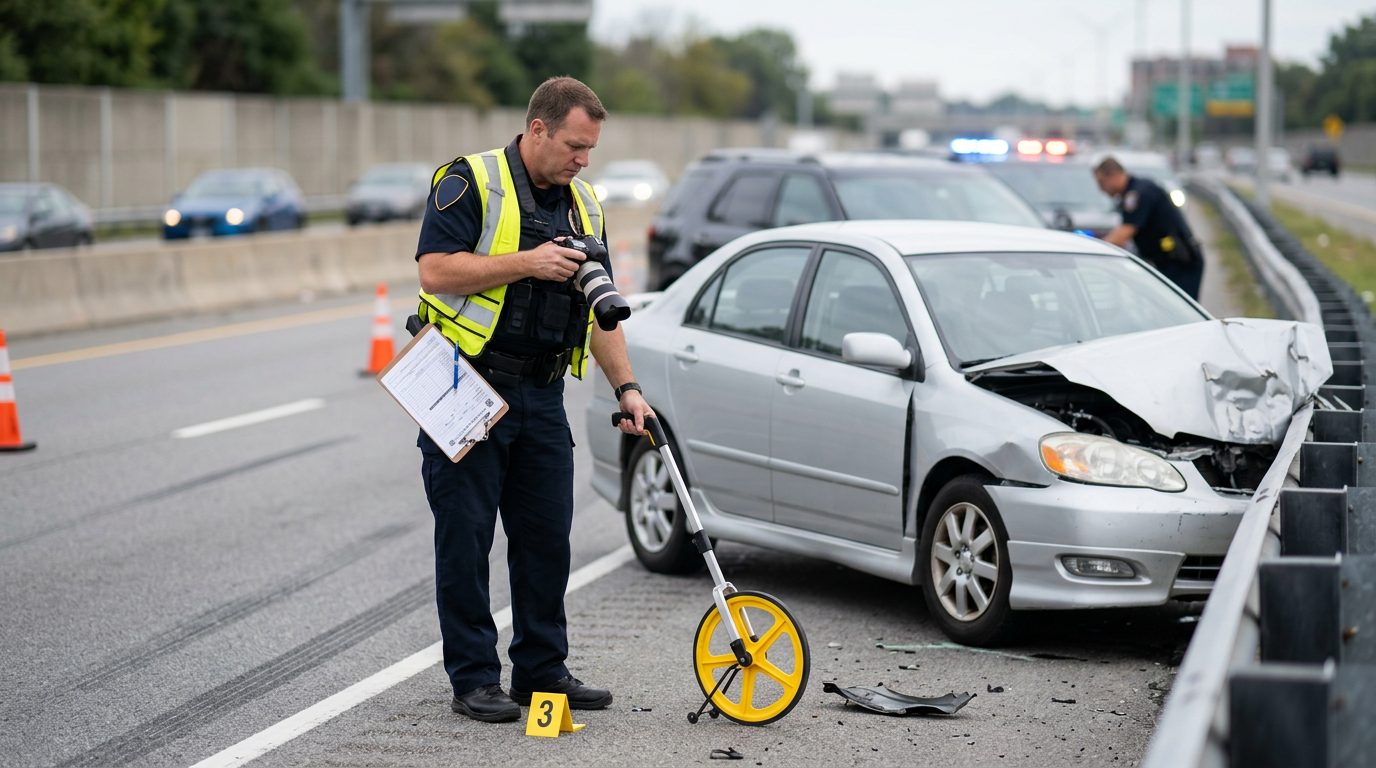
Miami Vehicular Homicide Defense With a Prior DUI
Facing a Vehicular Homicide Charge With a Prior DUI? Start With a Clear Defense.
Patrick David Wilson focuses on vehicular homicide and DUI-related charges in Miami-Dade, Broward and the Keys. A prior DUI changes the stakes, and your defense should account for it from day one. Your first consultation is free, confidential and comes with no obligation to continue.
By Patrick David Wilson · Published October 22, 2026
A prior DUI or a suspended license can change a vehicular homicide case in Florida. The current statute can make the charge a first-degree felony when the driver has a qualifying prior conviction. This guide explains how that history enters the case, which other charges can appear, and which defense questions are reviewed. Patrick Wilson Law focuses on DUI and traffic homicide defense for drivers in Miami-Dade, Broward, and the Florida Keys.
What a Vehicular Homicide Charge Means When You Have a Prior DUI or Suspended License
Vehicular homicide is the killing of a human being, or of an unborn child by injury to the mother, caused by a driver who operates a vehicle recklessly in a way likely to cause death or great bodily harm. Fla. Stat. § 782.071 sets out this offense. The killing must be caused by another person’s operation of a motor vehicle in that reckless way.
Prosecutors look at driving history because the statute ties some penalties to prior convictions. A prior conviction listed in the statute, such as a prior DUI manslaughter conviction under Fla. Stat. § 316.193, can raise the charge to a first-degree felony; a suspended license is not one of the listed priors. The State Attorney’s Office makes the charging decision, and it reviews the driver’s record as part of the case.
Other charges often appear beside a fatal crash. Driving while license suspended or revoked is one. Leaving the scene can be another. Each count has its own elements, so each one needs its own review.
If a fatal crash has you facing charges with a prior DUI or a suspended license, you don't have to sort out that record alone. Call 786-761-1719 or leave a message for a free, confidential consultation. Talk it through with our team — the first consultation is free, confidential, and carries no obligation.
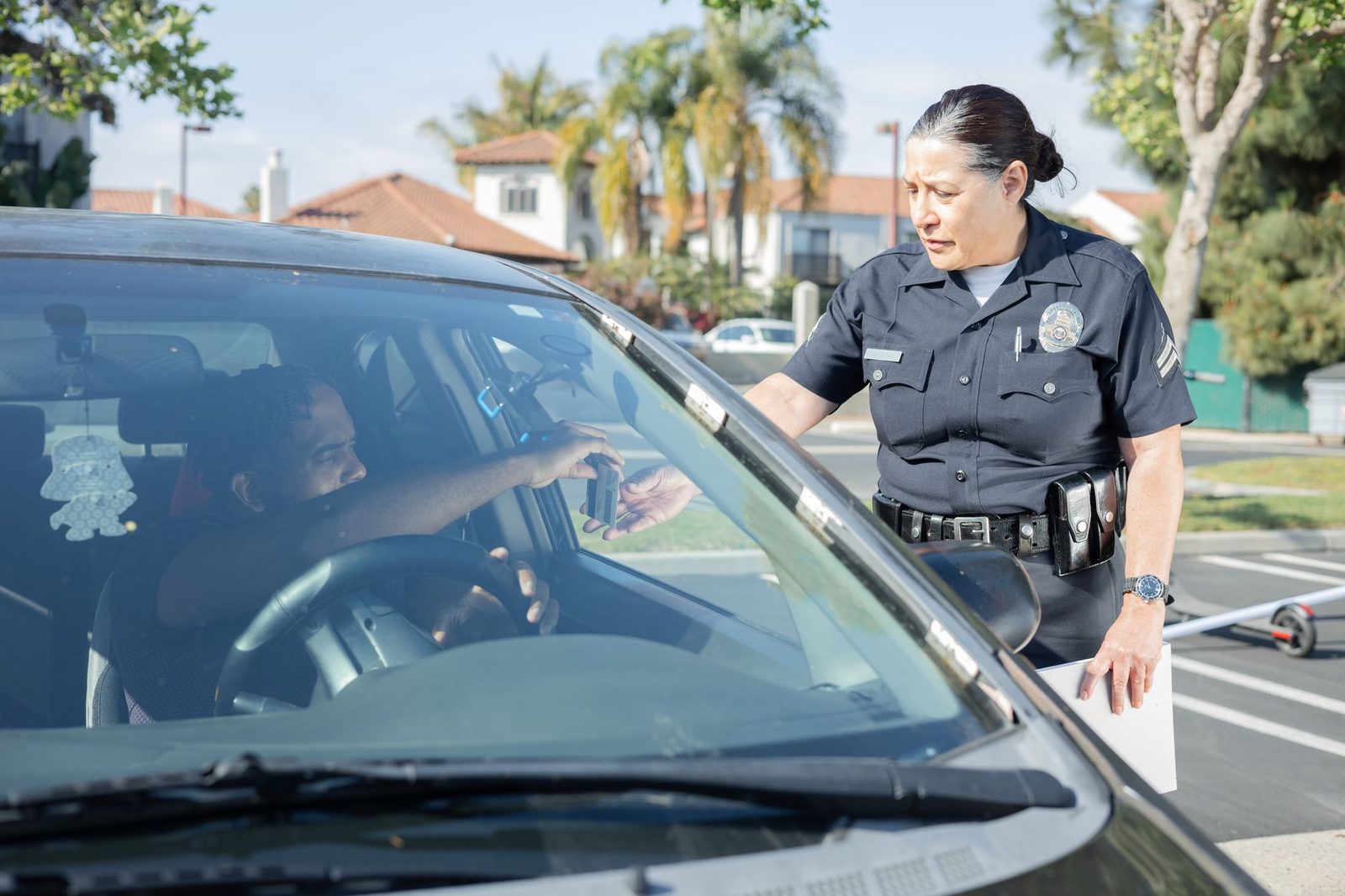
How a Prior DUI Affects the Charges and Exposure
Under the current text, a first-degree felony applies if the person has a prior conviction under this subparagraph of Fla. Stat. § 316.193, under § 327.35(3)(a)3.c., under § 782.071, or under § 782.072.
Under Florida law, a person is guilty of driving under the influence if the person is driving or in actual physical control of a vehicle within this state and is under the influence of alcoholic beverages, any chemical substance set forth in s. 877.111, or any substance controlled under chapter 893, when affected to the extent that the person’s normal faculties are impaired (Fla. Stat. § 316.193). It also says a DUI conviction does not bar a civil suit for damages against the person convicted. That point matters for anyone who faces both a criminal case and a civil claim.
Prior records are checked through certified court and driver records. Ask for these early. Errors in a record can change how a prior is counted, so review them closely before any plea discussion.
The reader’s exposure depends on the facts, the prior record, and the specific counts filed. Two cases with similar crashes can carry very different charges.
How a Suspended or Revoked License Changes the Case
Driving on a suspended or revoked license is its own offense. It becomes a felony when the driver’s careless or negligent operation causes a death or serious bodily injury.
Cases like this can involve several key questions. Was the license actually suspended, revoked, or canceled at the time? Did the driver know of that status? Did the driver’s operation cause the death? Each answer often depends on the evidence in the case.
Old suspensions, hardship licenses, and reinstatement problems can be confusing. Certified state driver records help sort out what was in effect on the day of the crash.
A license issue can also affect bond. The court must consider the defendant’s past conduct, including any record of convictions, when it sets bail or release conditions. See the Florida Rules of Criminal Procedure on pretrial release.
Defense Options Examined in Fatal Crash Cases With Prior Records
Defense review usually starts with how the stop, the arrest, and the testing were handled. Each step can be examined for legal problems.
Blood testing has specific rules in fatal and serious injury crashes. Only specified personnel may withdraw the blood. Blood-alcohol results are covered under the same section as the numerical results of the test indicating the alcohol content of the blood and breath.
Refusal rules work differently. Under Fla. Stat. § 316.1932, a refusal to submit to a chemical or physical breath test requested by an officer is admissible in any criminal proceeding. Timing and the handling of the sample also matter.
Crash evidence matters too. Counsel can review scene measurements, vehicle data, witness statements, and whether the State’s account supports reckless operation. Causation is another question. The evidence may show that something other than the driver’s conduct played a role.
Negotiation and trial are both options. Under the plea rules, defense counsel must advise the client of all plea offers and their likely results. No plea can be concluded without the client’s full consent. See the Florida Rules of Criminal Procedure on plea discussions.
What to Expect: From Arrest to Resolution
A fatal crash case usually moves through several stages. The timing varies with the case and the court’s calendar.
- Early contact. Speak with counsel before giving a recorded statement. Anything you say can be used against you.
- First appearance. Under the Florida Rules of Criminal Procedure, an arrested person must be brought before a judge promptly, within 24 hours of arrest, unless released earlier. The judge explains the charge and the right to counsel.
- Release conditions. Bond and any license-related limits are addressed at this stage.
- Discovery. Counsel reviews the arrest report, crash reports, and test results. The prosecutor must disclose evidence under the discovery rule.
- Motions and negotiation. Pretrial motions and talks with the State Attorney’s Office follow. Trial preparation starts if the case does not resolve.
Time limits also matter. Under Fla. Stat. § 775.15, a prosecution for a felony that resulted in a death may be commenced at any time.
Why Patrick Wilson Law Handles These Cases
Patrick Wilson Law is a Miami criminal defense firm. It focuses on DUI, domestic violence, sexual battery, and traffic homicide defense across South Florida, from Broward County to the Keys.
Patrick David Wilson is the lawyer responsible for this page. The firm’s lawyers include Patrick David Wilson and Sahara Fonseca. Support staff help with records and case preparation.
The firm focuses much of its work on first-time offenders and licensed professionals whose careers or licenses are at risk. The firm also handles related matters, including leaving the scene of an accident and sealing or expunging criminal records where they apply.
Our team reviews the record work described above. That includes requesting certified driver and court documents and reviewing the crash evidence with the client.
Not sure what your next step is?
Talk it through with our team — the first consultation is free, confidential, and carries no obligation.
Questions People Ask About Prior DUI and Suspended License Fatal Crash Cases
Does a prior DUI automatically lead to a vehicular homicide charge?
No. The charge depends on the crash facts and the evidence, and the prior record affects the counts and exposure.
Can I get bond if my license is suspended?
Yes, bond is possible. The court sets release conditions and must consider past conduct and any record of convictions.
Can the blood test be challenged?
Yes. The legality of the draw and the handling of the sample can be reviewed.
How long do these cases take?
Timelines vary with the case and the court’s calendar.
Is the first consultation free?
Yes. The first consultation is free, confidential, and carries no obligation to continue.
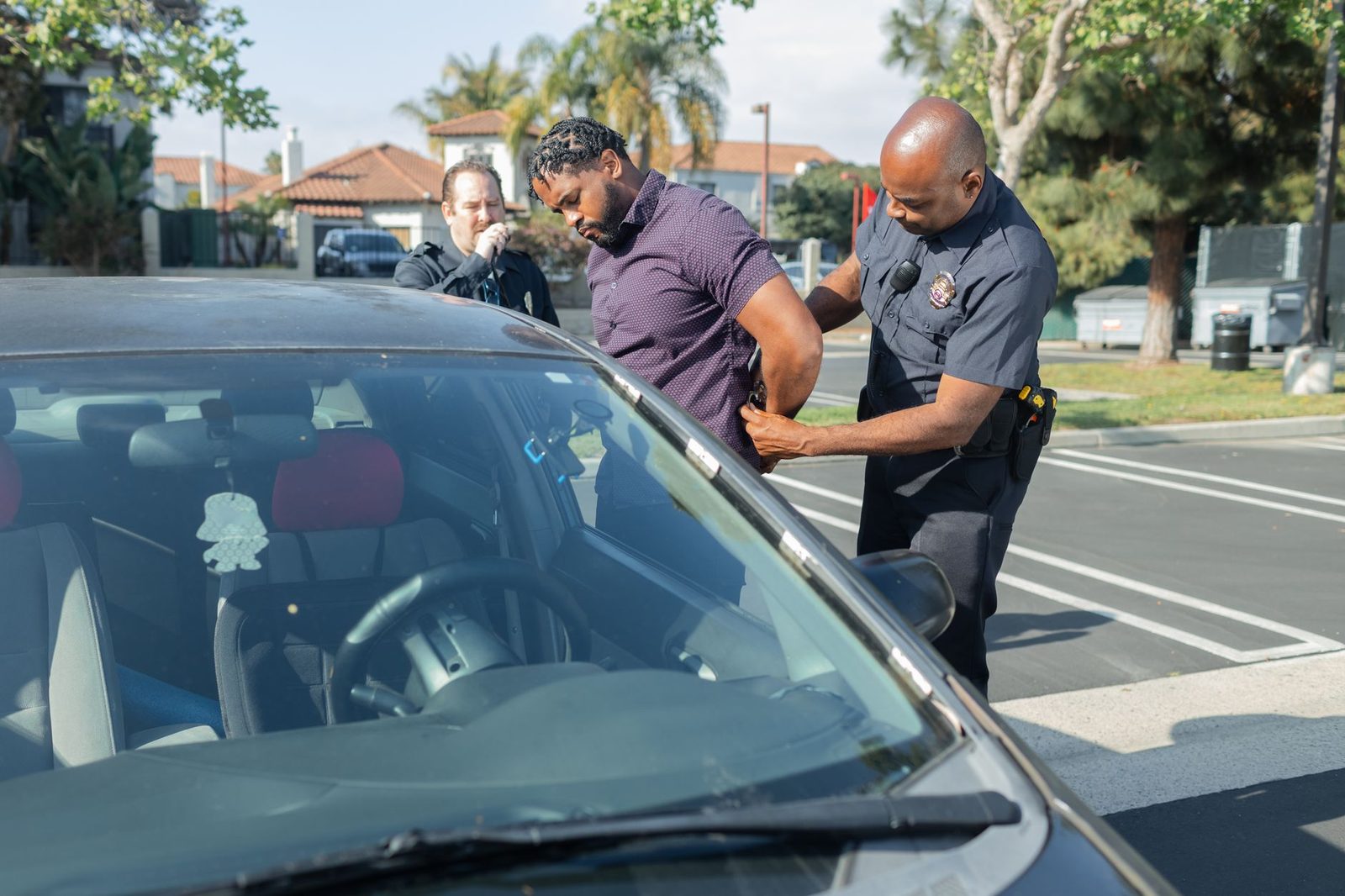
Talk Through Your Situation With Patrick Wilson Law
If a fatal crash has you facing charges with a prior DUI or a suspended license, the record may feel overwhelming. Those facts can shape the charges, the bond, and the choices ahead. Patrick Wilson Law invites you to call 786-761-1719 or leave a message. You can also reach the firm at the contact page. The first consultation is free, confidential, and carries no obligation to continue. Patrick David Wilson can review the charges, the prior record, and the license status with you.
How Our Firm Approaches a Prior DUI Vehicular Homicide Case
Attention to the Prior Record
We examine how the earlier DUI affects the charges, the exposure and the court's handling of release conditions.
Defense for Licensed Professionals
We understand what a pending felony can mean for a license, employment and professional reputation, and we factor those concerns into strategy.
Prompt Action
Early steps such as preserving evidence and addressing bond can shape the case, so we move quickly after the first call.
Clear, Direct Communication
Our team keeps you informed about each stage of the case in plain language, so you know what to expect.
Important: Protect Your Position Early
Do not give statements to investigators, discuss the crash with anyone other than your lawyer, or post about the incident on social media before speaking with a defense lawyer.
What Happens at Your Free Consultation
Confidential Review
Share what you know about the crash and your prior record in a private setting.
Honest Assessment
We explain the charges, the potential exposure and the defense options that may apply to your case.
No Obligation
Your first consultation is free and comes with no obligation to continue with our firm.
Next Steps
If you decide to move forward, we outline a plan and the immediate actions needed to protect your rights.

