
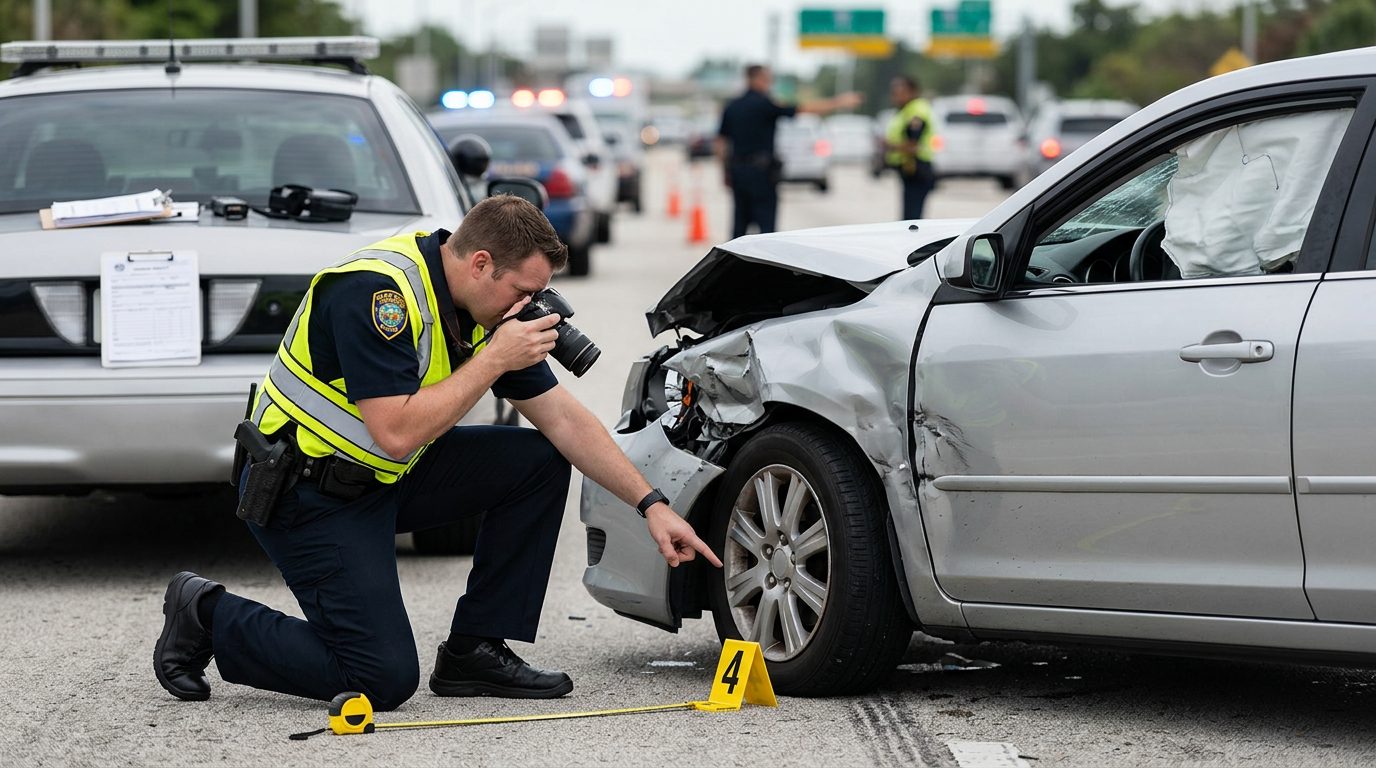
Vehicular Homicide Defense · Miami, Florida
Facing a Vehicular Homicide Charge in Florida? Know Where Your Case Stands.
Patrick Wilson Law, PLLC focuses on criminal defense in Miami-Dade, Broward County and the Florida Keys, including vehicular homicide cases. Our firm's lawyers will review the facts with you in plain English.
By Patrick David Wilson · Published October 21, 2026
Can Vehicular Homicide Be Reduced in Florida? A Short Answer
Yes, a vehicular homicide charge can change in Florida, but it does not shrink on its own. Change happens through a process: the State Attorney decides what to file, may drop or amend charges, and negotiates with defense counsel. No result can be promised, and every case turns on its own facts.
Florida law also limits one route. Under Fla. Stat. § 316.656, no trial judge may accept a guilty plea to a lesser offense from a person charged with vehicular homicide. The same statute bars withholding adjudication in these cases. That rule shapes almost every negotiation in a fatal crash case.
This page explains where a charge can change, how negotiation works, which lesser and related charges come up, what prosecutors weigh, and what a changed case means for your license, immigration status and record.
If a fatal crash has led to a vehicular homicide charge, or you're weighing whether to speak with the State Attorney, you don't have to face that decision alone. Talk it through with our team — the first consultation is free, confidential, and carries no obligation.
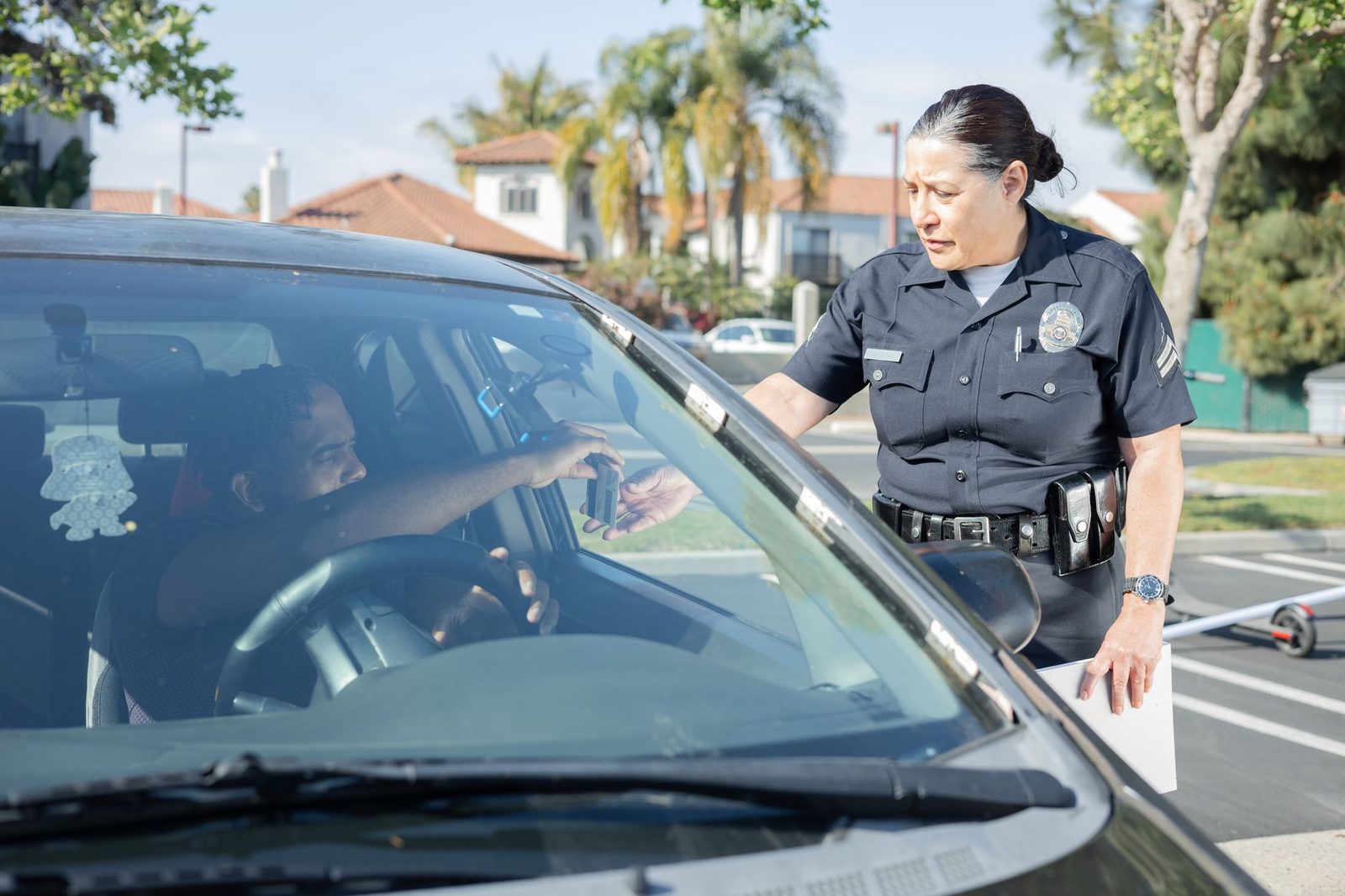
Where a Charge Can Change: Charging, Filing and Review Stages
The State Attorney decides what charge to file after police finish their investigation. That filed charge is often different from the charge written at the scene. Charges can be filed, amended, dropped or added as evidence comes in.
Vehicular homicide means killing a human being, or killing an unborn child by any injury to the mother, by the operation of a motor vehicle by another in a reckless manner likely to cause the death of, or great bodily harm to, another. Fla. Stat. § 782.071 defines the offense and makes the base offense a second-degree felony.
Those facts drive the charging decision, so they matter early. Crash reports, vehicle data, witness statements and toxicology results often arrive at different times. Early review of each record shows what the State can actually prove.
How Plea Negotiation With the State Attorney Works
Negotiation is a discussion between defense counsel and the prosecutor about the charge, the facts and how the case might resolve. Florida’s rules encourage it. Under Florida Rule of Criminal Procedure 3.171, the prosecutor and defense attorney “are encouraged to discuss and to agree on pleas,” but the trial judge makes the final sentencing decision.
The rule says a prosecutor “may,” as part of plea discussions, and upon the defendant’s entering a plea of guilty or nolo contendere to a charged offense or to a lesser or related offense, drop other charges, make a recommendation the judge doesn’t have to follow, or agree to a specific sentence. Nothing in the rule forces the State to offer a deal. A defendant never has to accept one. Nothing in the rule forces the State to offer a deal. A defendant never has to accept one.
Defense counsel cannot finish a plea deal without the client’s full and complete consent. Counsel must also explain every plea offer and its likely results. A common mistake is answering an offer before reading its written terms. Ask for every term to be spelled out before you decide.
Lesser and Related Charges That Can Come Up
A fatal crash case often includes more than one charge. Leaving the scene is one example. Under Fla. Stat. § 316.027, a driver in a crash that causes death must stop and remain at the scene. A willful violation of s. 316.027 that causes a person’s death is a first-degree felony and carries a mandatory minimum term of 4 years in prison, from which the defendant may move to depart under s. 316.027(2)(g) unless the driver was under the influence. A judge may depart from that minimum only if the violation was not committed while driving under the influence, and only if a factor, consideration, or circumstance clearly demonstrates that imposing the minimum would constitute or result in an injustice. Fla. Stat. § 316.027 requires the judge to state the basis for granting the motion in open court.
Lesser offenses work differently at trial and in a plea. At trial, a jury may convict on a lesser included offense if the evidence supports it, under Fla. R. Crim. P. 3.510. The judge will not give that instruction without evidence to support it. A plea to a lesser offense is a different matter. Section 316.656 blocks it in vehicular homicide cases.
Changing the charge type also changes sentencing exposure, the wording on the record and what a future background check shows. Other driving offenses may come up depending on the evidence.
What Prosecutors Weigh When Considering a Reduction
Prosecutors start with what the evidence shows about the crash. Speed, impairment, distraction and any traffic violation are central. The State must prove the reckless operation the statute requires, so weak proof on those points matters.
Blood testing is a key piece. When a law enforcement officer has probable cause to believe that a motor vehicle driven by or in the actual physical control of a person under the influence of alcoholic beverages, chemical substances, or controlled substances has caused the death or serious bodily injury of a human being, the officer shall require the driver to submit to a blood test and may use reasonable force if necessary, under Fla. Stat. § 316.1933. Section 316.193 defines the offense of driving under the influence and sets its punishment; it does not address release of blood test results to defense counsel. Early requests help counsel check how the test was done and what it shows.
Prosecutors also weigh how the driver acted after the crash. Did the driver stop, stay and render or call for aid? They look at prior driving and criminal history too. Those views matter, but the trial judge keeps final responsibility for sentencing.
How a Reduced Charge Affects Immigration, Licensing and Your Record
The wording of a plea matters as much as the charge name. Under Fla. R. Crim. P. 3.172, the court must warn that a plea may change immigration status. If the defendant hasn’t discussed deportation with counsel, the court must allow a reasonable time to consider it, upon request.
For non-citizens, federal law lists classes of deportable non-citizens in 8 U.S.C. § 1227. Those classes include certain convictions. Whether a particular plea fits them depends on the facts, so the exact language must be reviewed before any decision.
A plea and its record can also matter to a licensing board, so licensed professionals should weigh that before deciding.
Sealing and expunction depend on how the case ends. Under Fla. Stat. § 943.059, sealing requires that the person has never been adjudicated guilty in Florida of a criminal offense.
Not sure what your next step is?
Talk it through with our team — the first consultation is free, confidential, and carries no obligation.
Talk Through Your Situation With Patrick Wilson Law
If a fatal crash has led to a vehicular homicide charge, or you’re deciding how to deal with the State Attorney, you need a plan tied to your facts. Read more on our vehicular homicide defense attorney page. Patrick David Wilson is responsible for this page. Patrick Wilson Law, PLLC, in Miami, Florida, works with Sahara Fonseca and our team on these matters across Miami-Dade, Broward County and the Florida Keys. Call 786-761-1719, leave a message, or contact us to set up a free, confidential first consultation, with no obligation to continue.
Can a vehicular homicide charge be reduced in Florida?
It can change through charging decisions, negotiation or trial. No result can be promised.
Can a judge withhold adjudication in a vehicular homicide case?
No. Under § 316.656, no court may withhold adjudication of guilt for vehicular homicide.
Does leaving the scene of a fatal crash carry a mandatory minimum?
Yes, a willful violation that causes a death carries a four-year mandatory minimum under § 316.027, and the defendant may move to depart from it unless the driver was under the influence. A departure motion is not available when the violation happened while driving under the influence.
Can a non-citizen face immigration consequences from a plea?
Yes. The court must warn about that risk, and federal law can make certain convictions a basis for removal.
How We Approach a Vehicular Homicide Case
Careful Review of the Evidence
We examine crash reports, witness statements, and any available video or digital records to understand the charges and the defense options.
Protecting Your Rights
From the first contact with investigators through each court date, we work to protect your rights and your future.
Clear Answers Along the Way
Our lawyers explain each step, the possible paths forward and what to expect, so you can make informed decisions.
Support for Families
A serious charge affects the whole household. We keep you and your family informed and address your questions directly.
Important: Speak With a Lawyer Before Giving a Statement
Investigators may ask questions soon after a crash. Contact a criminal defense lawyer before you discuss the events with anyone other than your own counsel.
Common Questions About Vehicular Homicide Charges
Can a vehicular homicide charge be reduced?
A charge can change through decisions made during the case, negotiation or trial. No outcome can be promised, which is why a careful review of your specific facts comes first.
What if I left the scene of the crash?
Leaving the scene raises separate issues that can affect the defense. Our lawyers review those issues together with the underlying charge.
Does a first-time offense change the case?
A clean record can matter to how a case is evaluated. We look at your background, the evidence and the circumstances to explain your options.
Can I speak with a lawyer before deciding anything?
Yes. Our free first consultation is confidential and comes with no obligation to continue.

