

Vehicular Homicide Defense · Miami, Florida
Restitution in Florida Vehicular Homicide Cases: What Families and Defendants Need to Know
Patrick Wilson Law, PLLC focuses on criminal defense across South Florida, including vehicular homicide charges. This guide explains restitution in plain terms so you can ask the right questions early.
By Patrick David Wilson · Published October 29, 2026
In a vehicular homicide case, the victims can include the family of the person who died. This guide explains who can receive restitution, which losses courts look at, and how restitution differs from fines, civil claims, and insurance.
Patrick Wilson Law, PLLC is a criminal defense firm in Miami, Florida. Patrick David Wilson is the lawyer responsible for this page. What follows is a plain-language overview of how the process works.
What Is Restitution in a Florida Criminal Case?
Restitution is an order to repay a victim for losses caused by a crime. A judge orders it as part of sentencing. Florida’s restitution statute, § 775.089 sets the core rules.
The court must order restitution for loss caused directly or indirectly by the offense. It also covers loss related to the criminal episode. If the court does not order restitution, or orders restitution of only a portion of the damages, it must state on the record in detail the reasons for that decision (Section 775.089, Florida Statutes).
Restitution can be money or something that is not money. The statute says it comes in addition to any punishment. Its purpose is to address the victim’s documented loss.
If a crash took someone you love, or a charge has you facing this yourself, you don't have to sort out the money questions alone. Call 786-761-1719 or send us a message. Talk it through with our team — the first consultation is free, confidential, and carries no obligation.

Who Can Receive Restitution After a Fatal Crash?
In a death case, the victim can include the deceased person’s estate and next of kin. Next of kin means the closest surviving family members.
The statute defines “victim” broadly. It covers each person who suffers property damage, monetary expense, physical injury, or death from the offense. When the victim has died, the definition reaches the estate and the next of kin, as § 775.089 states.
Speaking to the court about the loss is a different step from asking for money.
What Losses Can a Court Consider for Restitution?
Courts look at documented financial losses tied to the crash. The statute names several categories that can be ordered.
- Funeral costs: the cost of necessary funeral and related services, when bodily injury causes a death.
- Lost income: income the victim lost because of the offense.
- Monetary expenses: bills and other costs the crash caused.
- Property damage: losses to property, such as a vehicle.
Each loss needs to connect back to the offense. The prosecutor must show the amount of the loss. The court may also consider hearsay (secondhand evidence) if it has minimal reliability. Receipts, bills, and records are the kind of proof that helps show a loss.
How Does the Court Set and Order the Amount?
The judge sets the amount at sentencing. The Florida Rules of Criminal Procedure, Rule 3.720 require the court to decide at sentencing whether restitution applies. Copies of the order go to the defendant, the defense lawyer, the prosecutor, and the victim.
Under Florida law, the court must decide at the sentencing hearing whether restitution applies, and the amount and method of restitution are determined as provided by law. Under Florida law, the court resolves any dispute over the amount or type of restitution by a preponderance of the evidence. That means the claim is more likely than not true. The person charged can challenge the amount, the proof, or whether the offense caused the loss.
A restitution order can also come from a plea deal. The statute says an order in a plea agreement is just as binding as any other restitution order.
Once ordered, the amount and method of restitution are determined as provided by law, and copies of the restitution order are provided to the defendant, attorney for the defendant, state attorney, and victim. Unpaid amounts earn interest. A recorded order can become a lien on real estate the defendant owns. Restitution is also a condition of probation.
A person who cannot pay has a process. Under § 948.06, a probationer or offender in community control who claims inability to pay restitution or supervision costs must prove, by clear and convincing evidence, that they do not have the present resources available despite sufficient bona fide efforts legally to acquire the resources. The court must then consider alternate measures of punishment other than imprisonment, and may imprison the person only if those alternate measures are not adequate to meet the state’s interests in punishment and deterrence.
How Is Restitution Different From Fines, Civil Claims, and Insurance?
Restitution goes to the victim. Keeping these apart matters.
A fine is set under § 775.083. For a first or second degree felony, the fine cannot exceed $10,000, unless a statute specifically authorizes a higher amount or the fine is double the pecuniary gain derived from the offense by the offender or double the pecuniary loss suffered by the victim. The clerk of court is responsible for collecting fines and court costs.
A wrongful death lawsuit is a separate civil case. The vehicular homicide statute says a civil damages right exists for these deaths. A restitution order does not block that claim. Restitution paid, however, is subtracted from any later civil recovery. A conviction also keeps the defendant from denying the essential allegations of the offense in a later civil case.
Insurance payments follow their own rules and timing. How they fit with a restitution order depends on the facts of the case.
How Does Restitution Fit Into a Vehicular Homicide Case?
Restitution is one piece of a larger case. The charge, the possible sentence, and any plea talks all matter too.
Under § 782.071, vehicular homicide is a second-degree felony. It becomes a first-degree felony if the driver knew or should have known the accident occurred and did not give information and render aid as the law requires. A prior qualifying conviction also makes it a first-degree felony. Penalties follow § 775.082.
The exact charge changes the stakes, so the facts of the crash matter. For a fuller look at charges and penalties, read our Florida vehicular homicide charges guide. For how these charges are sentenced, see how vehicular homicide charges are sentenced.
Not sure what your next step is?
Talk it through with our team — the first consultation is free, confidential, and carries no obligation.
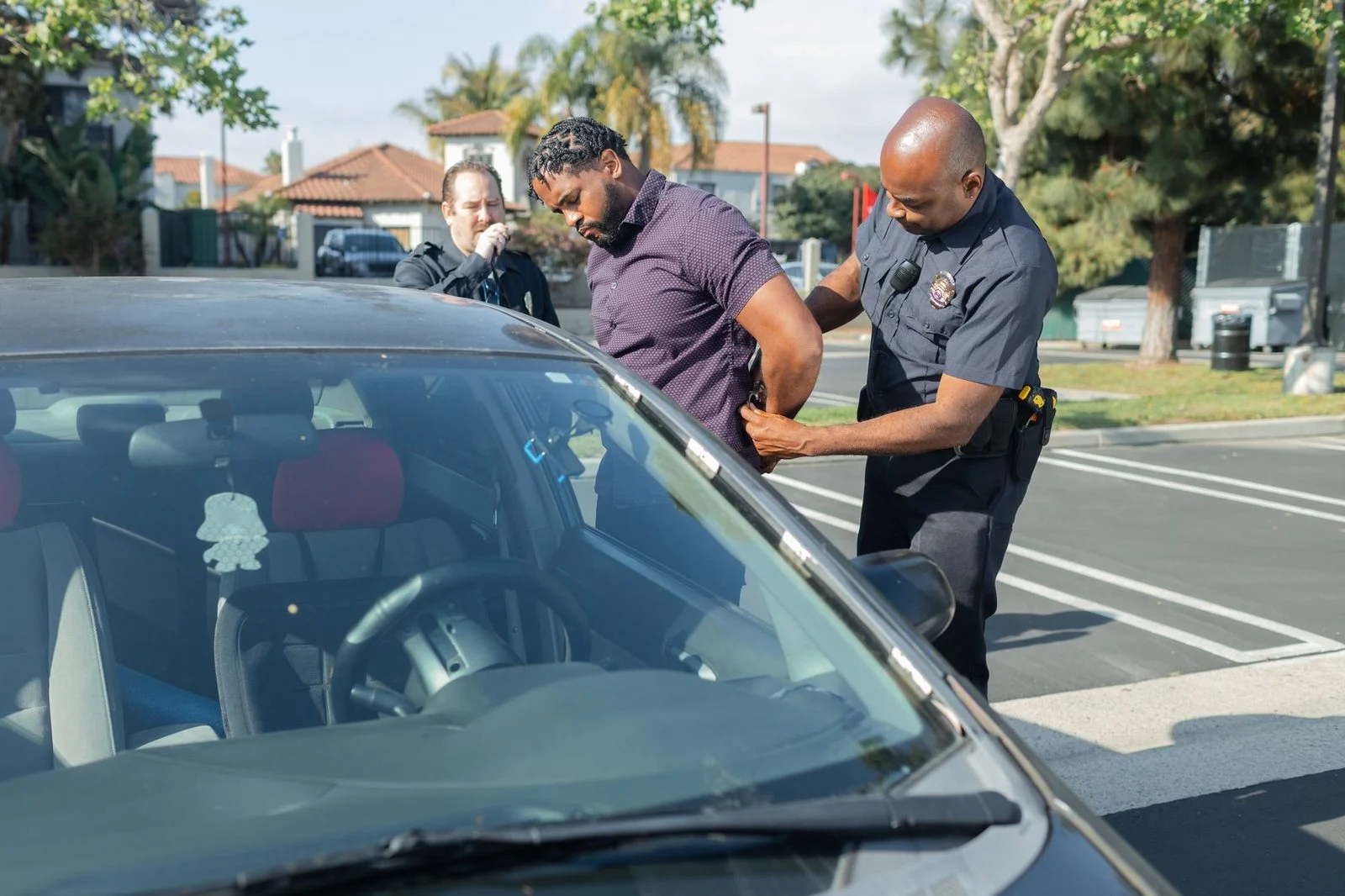
Talking Through Your Restitution Question
If you’re reading this after a sudden death or an arrest, the money questions may feel urgent. The criminal case may still be open, with many decisions ahead.
Does a victim’s family get restitution if someone dies in a Florida crash?
Every case turns on its own facts.
What is the difference between restitution and a fine?
Restitution repays the victim’s documented loss.
Can a judge order funeral costs?
Yes.
Can a wrongful death lawsuit go forward at the same time?
Yes. A restitution order does not bar a later civil claim, but the restitution amount is subtracted from any civil recovery.
What if the person ordered to pay cannot afford it?
The court must then consider alternatives to jail.
If you want to talk through how restitution could apply to your situation, call 786-761-1719 or send us a message through our contact page. Our first consultation is free, confidential, and comes with no obligation to continue.
How Our Firm Approaches These Cases
Careful Review of the Record
We look closely at the charging documents, the crash report, and any financial records that bear on restitution.
Clear Explanations
Our team explains each restitution question in plain language, so you know what is being asked and why.
Defense-Focused Planning
Patrick Wilson Law, PLLC focuses on protecting clients facing serious charges, from first-time offenders to licensed professionals.
Early Attention
Restitution questions often come up at several stages of a case. Raising them early helps you plan.
Do Not Wait to Ask Questions
Restitution can affect a case, a family, and finances long after the criminal case begins. Gather your documents and bring your questions to a lawyer early rather than after a hearing.
Key Restitution Topics
Restitution vs. Fines
Restitution is intended to repay a victim's documented loss. The two are often confused, but they are handled differently.
Funeral and Burial Costs
Families often ask whether funeral and burial expenses can be included. Whether and how they are addressed depends on the documentation and the facts of the case.
Lost Income and Medical Bills
Restitution requests may include other documented losses. Each request should be reviewed against the records that support it.
Questions to Bring to a Consultation
Bring the charging documents, any restitution requests, and records of expenses. Write down your questions so you can review them together.

