
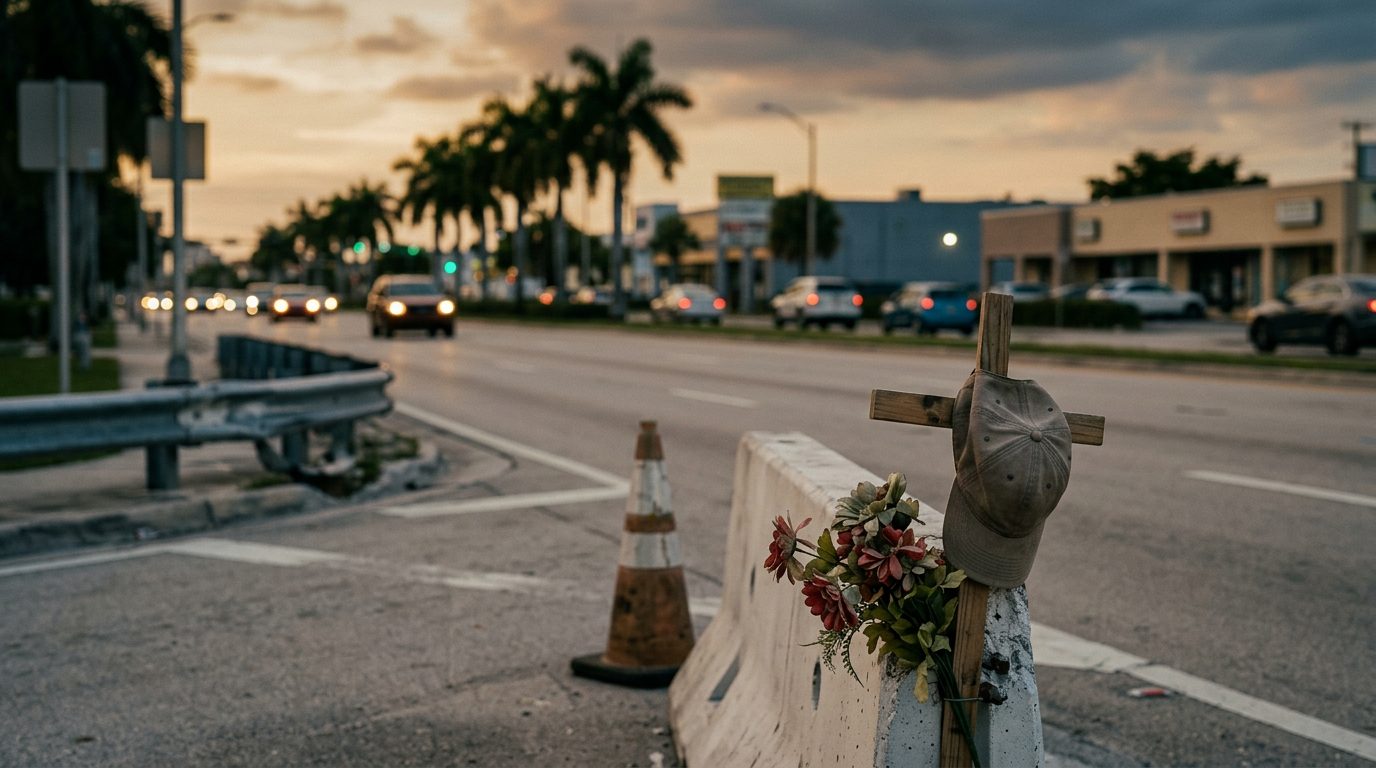
Vehicular Homicide Defense | Miami, FL
Facing Restitution After a Fatal Crash? Talk to a Miami Defense Lawyer First
Patrick Wilson Law, PLLC defends people across South Florida in vehicular homicide cases, including the restitution questions that can follow a fatal crash. Your first consultation is free, confidential and without obligation.
By Patrick David Wilson · Published October 23, 2026
Fatal Crash Restitution in Florida: What Families and Drivers Should Know
Florida law requires a criminal court to order restitution for losses a crime causes, unless it finds clear and compelling reasons not to order it. In a fatal crash case, that can include funeral costs and certain lost income. Restitution is set inside the criminal case, not in a separate lawsuit. This guide explains how it works, how it differs from a civil wrongful death claim, and where single-vehicle crashes fit.
If a fatal crash has you facing a charge, or has your family asking what restitution means for them, our team at Patrick Wilson Law is ready to talk it through with you. Talk it through with our team — the first consultation is free, confidential, and carries no obligation.
The Short Answer: Restitution Follows a Conviction in Florida
Restitution is an order the criminal court makes when it sentences a defendant. Under Fla. Stat. § 775.089, the court must order the defendant to make restitution to the victim for damage or loss caused directly or indirectly by the offense, and for damage or loss related to the defendant’s criminal episode, “in addition to any punishment,” unless it finds clear and compelling reasons not to.
Under Fla. Stat. § 775.089, the court, in determining whether to order restitution and the amount, shall consider the amount of the loss sustained by any victim as a result of the offense. Copies of the order go to the defendant, the defense attorney, the state attorney, and the victim, under Fla. R. Crim. P. 3.720.
The plea agreement must say so.
What the Court May Order for Funeral, Medical, and Lost Income
When an offense has caused bodily injury to a victim, the court’s restitution order must require the defendant to pay the cost of necessary medical and related professional services, including physical, psychiatric and psychological care. The same statute lets the court order reimbursement for income the victim lost because of the offense. Under Fla. Stat. § 775.089, the word “victim” includes a deceased victim’s estate and next of kin. That means a grieving family can be the party restitution is paid to.
Restitution covers more than funerals. The statute describes a victim as someone who suffers property damage or loss, monetary expense, physical injury, or death as a direct or indirect result of the defendant’s offense or criminal episode. Medical bills from the crash can fall within that wording.
Proof matters. The state attorney must show the amount of the loss. The judge resolves disputes by a preponderance of the evidence, meaning more likely than not. Receipts, invoices, and pay records help set the amount.
For a driver who violates the crash-duty rules, the court must order restitution “unless the court finds clear and compelling reasons not to.” That rule appears in Fla. Stat. § 316.027.
Restitution Versus a Civil Wrongful Death Claim
Restitution is part of the criminal sentence. A civil wrongful death claim is a separate action for damages. Fla. Stat. § 782.071 says a right of action for civil damages exists under § 768.19, “under all circumstances,” for the deaths that section describes.
The criminal court decides restitution at sentencing. A civil claim moves through the civil court process on its own schedule. The two can arise from one crash, but they remain separate matters with separate steps.
Whether either track applies depends on the crash, the charges, and who was injured or killed. A driver facing a charge and a family grieving a loss can each have a stake in both tracks.
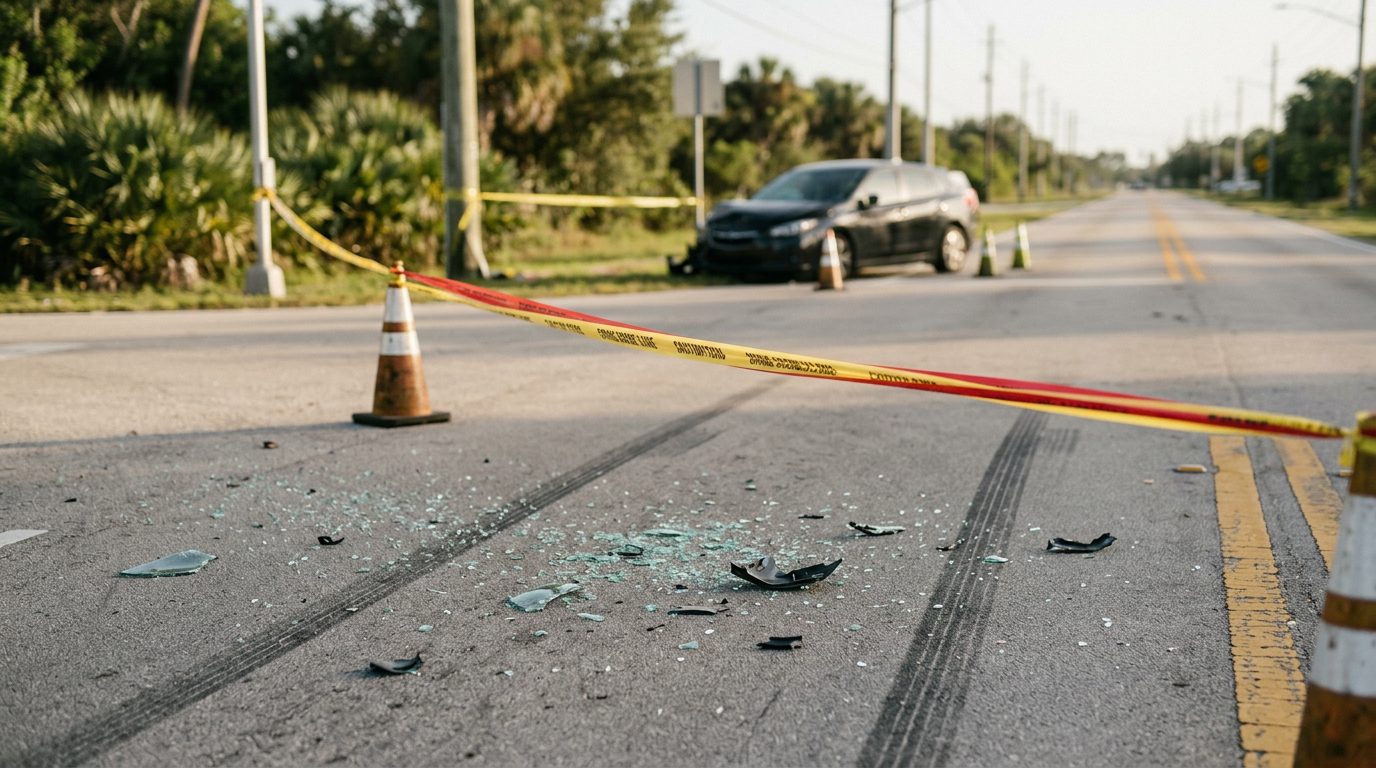
How the Criminal Case and Family Claims Interact
A restitution order does not block a civil claim. Section 782.071 gives a right of action for civil damages under § 768.19 for the deaths it describes; it does not provide that restitution is subtracted from a later civil award.
A conviction can also have estoppel effect in a related civil case, as provided in Fla. Stat. § 775.089(8). Under Fla. Stat. § 782.071(3), a right of action for civil damages exists under s. 768.19 for all deaths described in the statute.
Plea choices carry weight too. Under Fla. R. Crim. P. 3.171, defense counsel must advise the client of all plea offers and of the likely results of each plea. Counsel cannot finish a plea agreement without the client’s full and complete consent. Decisions made early in the criminal case can shape the civil case, so coordination matters.
Single-Vehicle Fatal Crashes and Who May Be Responsible
A single-vehicle crash can still lead to criminal charges and a restitution order. The driver’s conduct and the facts of the crash drive the analysis. Under Fla. Stat. § 316.027, a driver in a crash that results in death must immediately stop and stay at the scene until the duties in § 316.062 are fulfilled.
Blood testing can follow quickly. Under Fla. Stat. § 316.1933, if an officer has probable cause to believe an impaired driver caused death or serious bodily injury, the officer shall require a blood test. The officer may use reasonable force if needed.
Not sure what your next step is?
Talk it through with our team — the first consultation is free, confidential, and carries no obligation.
Deadlines and Records That Shape Both Tracks
Civil claims have filing deadlines, so timing matters early. Records you gather at the start can help both the restitution request and any civil claim.
Crash reports move on a set schedule. Under Fla. Stat. § 316.066, a Florida Traffic Crash Report, Long Form must be submitted within 10 days after the investigating officer completes the investigation for a crash that resulted in death of, personal injury to, or any indication of complaints of pain or discomfort by any of the parties or passengers involved in the crash, or that involved a commercial motor vehicle. Under Fla. Stat. § 316.066(2)(b), crash reports held by an agency may be made immediately available to the parties involved in the crash and their legal representatives, but not for redistribution to any person or entity not listed in that subsection.
Useful records include funeral receipts, medical bills, pay stubs or tax returns showing the deceased’s income, the crash report, and the charging papers. Keep them in one place.
If a driver cannot pay restitution, the rules are specific. Under Fla. Stat. § 775.089(4), probation may be revoked for non-compliance with restitution.
Talking Through Your Own Situation
The facts of your crash decide how restitution and a civil claim apply. Patrick Wilson Law, PLLC defends people charged with vehicular homicide, DUI, and leaving the scene of an accident. The firm works from its Miami office and serves South Florida, from Broward County to the Florida Keys. Patrick David Wilson is the responsible lawyer for this page. The firm’s lawyers include Sahara Fonseca.
Does a conviction automatically bring restitution to the family?
Under Fla. Stat. § 775.089, in addition to any punishment, the court shall order the defendant to make restitution to the victim for damage or loss caused directly or indirectly by the offense, and for damage or loss related to the criminal episode, unless the court finds clear and compelling reasons not to order such restitution.
What funeral costs can restitution cover?
The court must order the defendant to pay the cost of necessary funeral and related services when the offense resulted in bodily injury that also resulted in the death of a victim. Reimbursement for income the victim lost can also be ordered.
Is restitution credited against a civil recovery?
Yes. Restitution does not bar a civil claim, and the restitution amount is set off against any later civil recovery.
If a fatal crash has put you or someone you love in front of a court, you don’t have to sort out restitution and civil questions alone. Our team can review your crash facts and charges in a free, confidential first consultation, with no obligation to continue. Call 786-761-1719 or leave us a message.
How a Criminal Defense Lawyer Can Help
Review the Criminal Case
We look at the charge, the evidence and the record so you understand where the criminal case and any restitution request stand.
Evaluate the Restitution Request
We examine the claimed losses, including funeral, medical and other expenses, and how each item is documented and presented to the court.
Protect Your Statements
We advise you on communications with the victim's family, insurers and investigators so that nothing you say is used against you.
Plan the Next Steps
We explain your options in plain language and help you prepare for each hearing or negotiation that follows.
Speak With a Lawyer Before You Respond
Requests for payment after a fatal crash can come quickly from family members, insurers or the court. Avoid signing documents, making payments or giving written statements about the crash until you have discussed your situation with a defense lawyer.
Why Clients Contact Patrick Wilson Law
Criminal Defense Focus
Our firm focuses on criminal defense, including vehicular homicide, DUI and other serious charges across South Florida.
Clear Explanations
We break down the criminal process, restitution and your options so you can make informed decisions.
Serving South Florida
We represent clients in Miami-Dade, Broward County, Fort Lauderdale, Miami Beach, Homestead, Hialeah, Kendall and the Florida Keys.
Respect for Your Family
We understand that a fatal crash affects everyone involved, and we handle every case with discretion and care.

