
DUI Defense | Miami and South Florida
Should You Refuse a Blood Draw for DUI in Florida?
A refusal has its own consequences under Florida law. Patrick Wilson Law, PLLC focuses on DUI defense in Miami and across South Florida, and we can help you understand your options before you decide.
By Patrick David Wilson · Published October 30, 2026
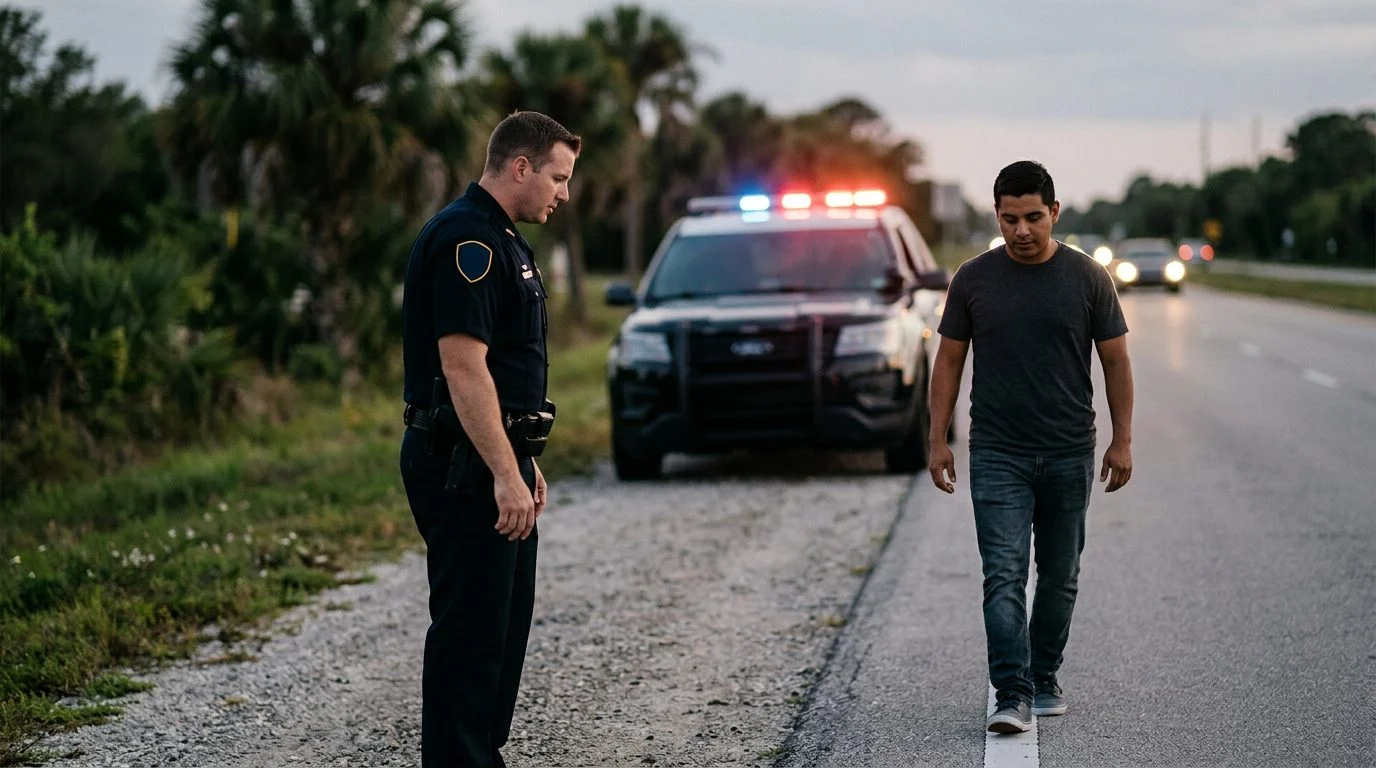
Refusing a blood draw in Florida is a legal choice with real consequences. It can lead to a driver’s license suspension, and the refusal can be used as evidence in a criminal case. Whether that helps or hurts turns on what happened at the stop or crash.
Most of these decisions happen fast, at the roadside or in a hospital, with little information and a lot of pressure. This guide explains Florida’s rules on blood testing in DUI cases, including crashes that cause death or serious injury. It’s written for drivers facing the choice now and for family members trying to understand it.
The Short Answer: What Refusing a Blood Draw Means in Florida
Refusing a breath test starts a separate license process and can be used against the driver in court. The effects depend on the setting, the type of test, and whether the driver could make a choice at all.
Florida law doesn’t treat every blood request the same way. A conscious driver who is asked for blood gets different warnings than a driver who is unconscious or badly hurt in a crash. Those differences matter when you’re deciding what to do.
Patrick David Wilson is the responsible lawyer for this page. The firm, Patrick Wilson Law, PLLC, has its office in Miami and focuses on DUI and crash-related criminal defense in South Florida.
If you're weighing a blood test after a stop or crash, you don't have to sort out the rules alone. Call Patrick Wilson Law or leave a message for a free, confidential first consultation. Talk it through with our team — the first consultation is free, confidential, and carries no obligation.
What Florida’s Implied Consent Law Means for Drivers
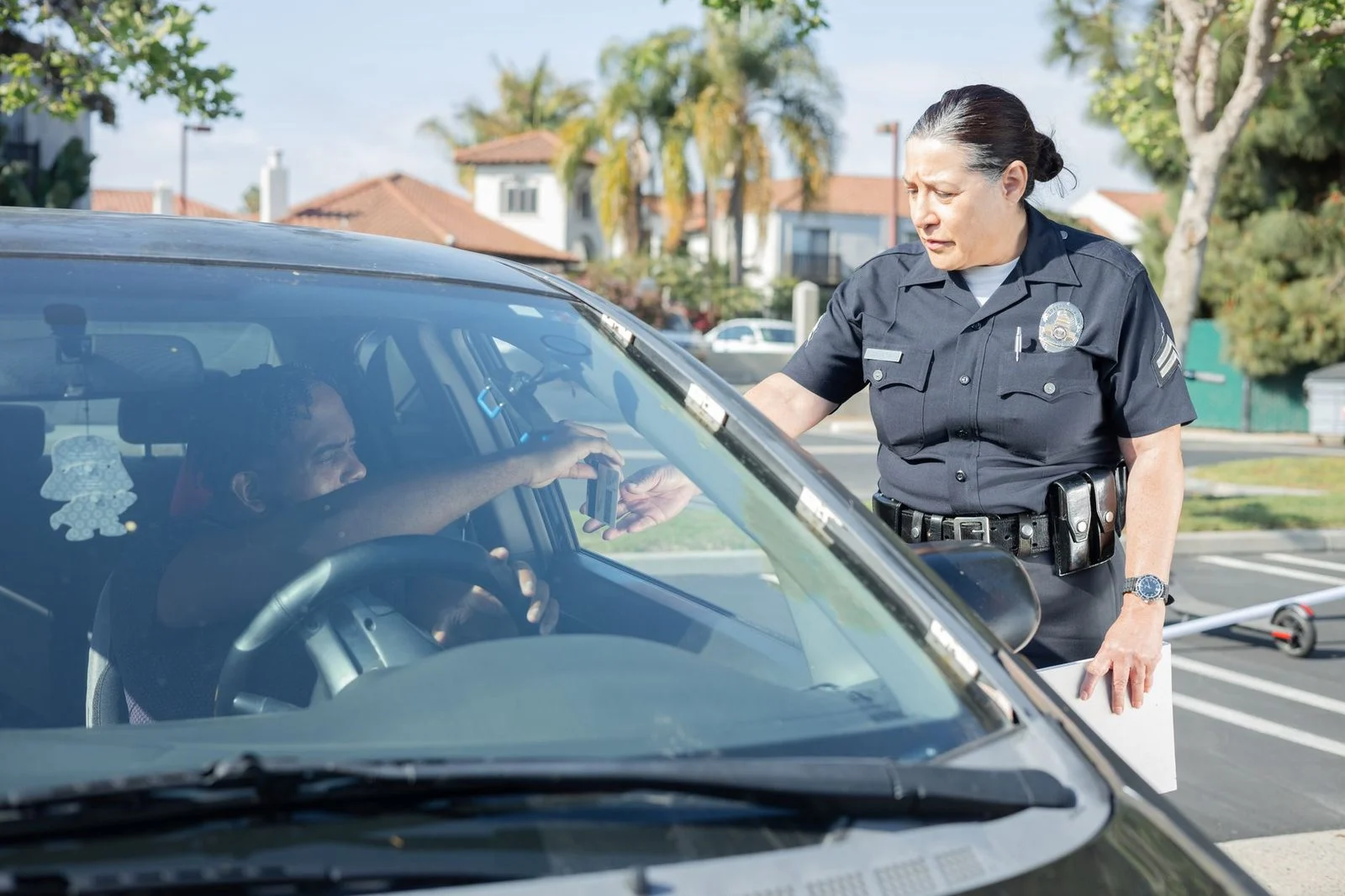
Florida’s implied consent law can treat a driver as having agreed to a blood test before any request is made. Florida law deems a driver to have consented to an approved blood test when there is reasonable cause to believe the driver was driving or in actual physical control of a motor vehicle while under the influence of alcoholic beverages or chemical or controlled substances, the driver appears for treatment at a hospital, clinic, or other medical facility, and a breath or urine test is impractical or impossible.
Implied consent is not the same as signing a consent form. The statute itself sets the rule.
Florida law names breath, blood, and urine tests, and each has its own rules. Knowing which test is being requested is the first step in understanding what follows.
What Happens If a Driver Refuses a BAC Test
Refusing a test can lead to a license suspension that runs separately from any criminal case. Under Fla. Stat. § 322.2615, the officer takes the driver’s license and issues a 10-day temporary permit if the driver is otherwise eligible, along with a notice of suspension. The suspension starts on the date that notice is issued.
The driver may send the state any materials relevant to the suspension. At a review hearing, a hearing officer decides whether sufficient cause exists to sustain, amend, or invalidate the suspension. Under Fla. Stat. § 316.1932, a driver who can refuse must be told the suspension is 1 year for a first refusal, or 18 months if the license was suspended before or the driver was previously fined for a refusal.
Refusal can also come up in court. The same statute says a refusal to submit to a chemical or physical breath test upon an officer’s request is admissible in any criminal proceeding. The separate refusal crime in Fla. Stat. § 316.1939 addresses breath and urine tests, not blood.
Can Police Take Blood Without Consent?
Police can get blood without a driver’s agreement in some cases. In a crash that causes death or serious bodily injury, Fla. Stat. § 316.1933 says an officer with probable cause “shall require” a blood test. Fla. Stat. § 316.1933 reads: “If a law enforcement officer has probable cause to believe that a motor vehicle driven by or in the actual physical control of a person under the influence of alcoholic beverages, any chemical substances, or any controlled substances has caused the death or serious bodily injury of a human being.” The officer may use reasonable force if needed, and the test doesn’t have to be tied to a lawful arrest.
Only certain people may draw the blood at an officer’s request. The list includes physicians, certified paramedics, registered and licensed practical nurses, and authorized hospital or licensed laboratory staff.
An unconscious driver is treated differently.
What Options a Driver Has Besides a Blood Test
The test a driver is asked to take shapes what happens next. Breath, blood, and urine tests each carry their own rules under Florida law, so the choice matters.
Test results also matter. Under Fla. Stat. § 316.1934, a blood-alcohol or breath-alcohol level of 0.08 or higher is prima facie evidence that the person was under the influence of alcoholic beverages to the extent that his or her normal faculties were impaired. A blood-alcohol or breath-alcohol level of 0.05 or less gives rise to a presumption that the person was not under the influence of alcoholic beverages to the extent that his or her normal faculties were impaired. A blood-alcohol or breath-alcohol level in excess of 0.05 but less than 0.08 does not give rise to any presumption that the person was or was not under the influence of alcoholic beverages to the extent that his or her normal faculties were impaired.
A driver can ask calmly what test is being requested and what the notice says. Writing those answers down helps. The Florida Department of Law Enforcement’s Alcohol Testing Program oversees the blood analysts who conduct alcohol testing.
Is a First-Time DUI a Felony in Florida?
Florida classifies felonies and misdemeanors into degrees.
Crashes change the picture. If a crash causes death, the driver must stop and stay at the scene. A willful violation of the duty to stop and remain at the scene of a crash that causes a death is a first-degree felony in Florida.
A blood result can be central to how a case is charged. Prosecutors and defense lawyers look closely at how the test was done, who drew the blood, and when.
Not sure what your next step is?
Talk it through with our team — the first consultation is free, confidential, and carries no obligation.
Next Steps After a Blood Test Decision in a Florida DUI or Crash Case
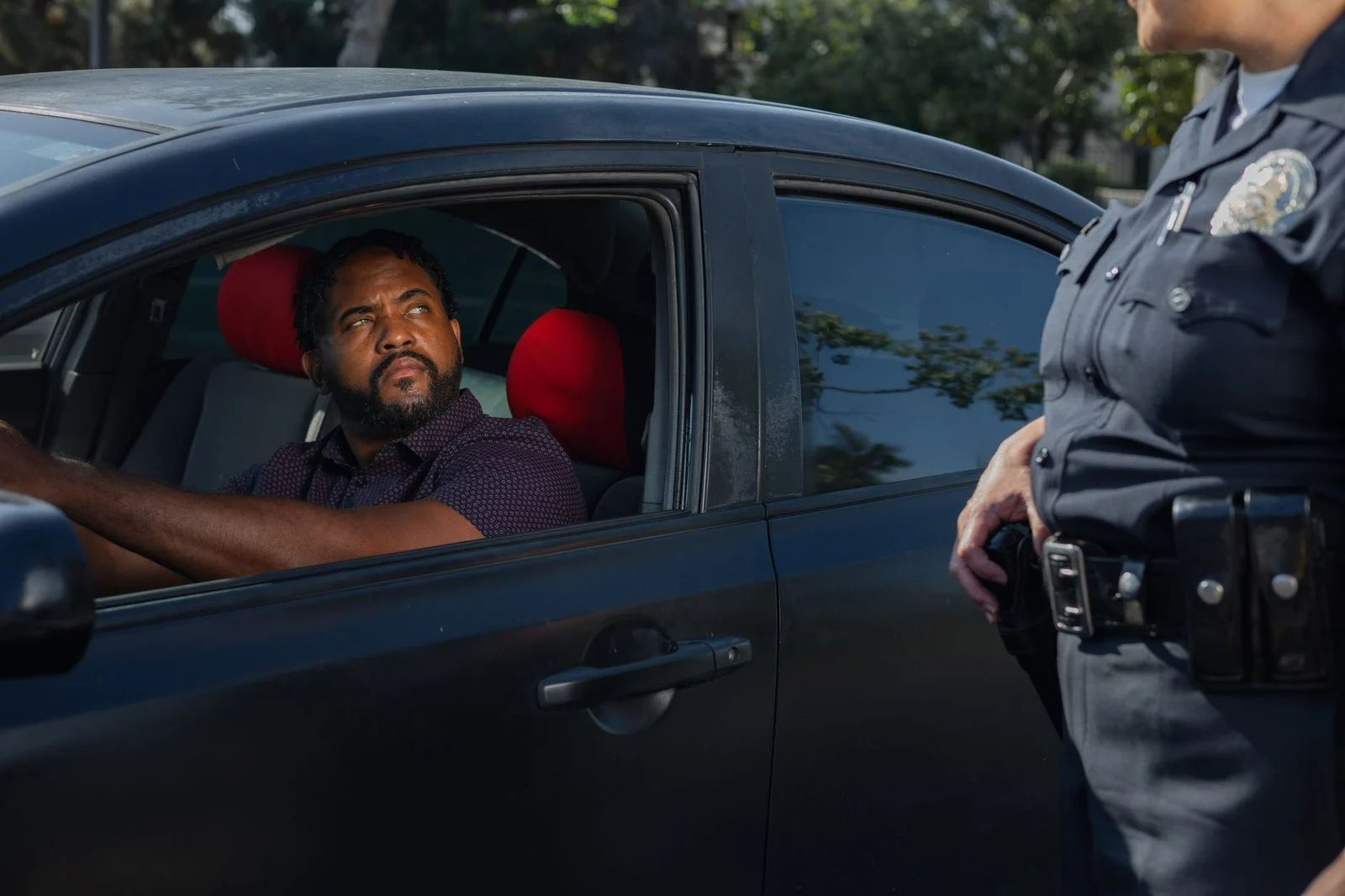
The license case and the criminal case run on separate tracks. The administrative suspension doesn’t decide the criminal charge, and the criminal result doesn’t decide the license.
Write down these facts while they’re fresh:
- The time and place of the stop or crash.
- What the officer said about the test and which test was requested.
- Whether a warrant was mentioned, and who drew the blood.
- Whether the driver was treated at a hospital first.
Will I lose my license if I refuse?
A refusal can start a suspension under Florida’s implied consent rules.
Florida law makes a refusal to submit to a chemical or physical breath test upon the request of a law enforcement officer admissible in a criminal proceeding.
Does a fatal crash change the rules?
Yes, a crash causing death brings separate blood-testing rules and felony exposure for leaving the scene.
A lawyer who reviews the stop, the request, and any warrant can look at your specific facts. Patrick David Wilson, of Patrick Wilson Law, PLLC in Miami, handles DUI and vehicular homicide matters across South Florida. If you’re deciding about a blood test now, or helping a family member after a crash, call 786-761-1719 or send a message here. The first consultation is free, confidential, and carries no obligation to continue.
Before You Decide
Refusing a test is not automatically the safer choice, and agreeing to one is not automatically the wrong one. The right answer depends on the details of your stop, your arrest and your record. Speak with the Patrick Wilson Law team before you make a decision.
Questions to Bring to Your Consultation
What happened at the stop
Where you were, what the officer observed, and how the stop began all shape how your case is reviewed.
How the testing was offered
Note exactly what the officer said to you, what you were asked to do, and whether anyone explained the choices you had.
Your work and license
If you hold a professional license or depend on driving for work, tell us early. These concerns affect how we approach your defense.
Your record so far
Whether this is your first matter or you have prior history matters. We focus on defense for first-time offenders and will review your background with you.
Why Clients Contact Patrick Wilson Law
Confidential first step
Your free first consultation is confidential and comes with no obligation to continue.
Straight answers
We walk through the questions that matter in your situation so you can make an informed decision.
Serving South Florida
We represent clients in Miami-Dade and Broward counties, Fort Lauderdale, Hialeah, Miami Beach, Homestead, Kendall and the Florida Keys.
Attorneys who take your case seriously
Our lawyers and staff treat each DUI matter as the serious case it is, especially when your job or license is at stake.

