

Vehicular Homicide Defense | Miami
Facing a Vehicular Homicide Arraignment in Miami? Know What Happens Next
Patrick Wilson Law focuses on criminal defense across South Florida, including vehicular homicide charges. This plain-language guide explains what to expect at your first court appearance.
By Patrick David Wilson · Published October 25, 2026
Short answer: what an arraignment is in a Florida vehicular homicide case
A vehicular homicide arraignment is the court hearing where the defendant hears the formal charge and enters a plea. The judge, clerk, or prosecutor reads the indictment or information, or states the charge in substance, and then calls on the defendant to plead. Fla. R. Crim. P. 3.160 sets out that process.
Vehicular homicide is a felony, not a traffic ticket. Under Fla. Stat. § 782.071, the base charge is a second-degree felony. Because of that grade, the case follows the felony process.
The arraignment usually comes after two earlier steps: the first appearance and the filing of the formal charge. These are easy to mix up. They are separate hearings with separate purposes, and this guide walks through each one.
If you’re reading this for a family member, knowing the order of these hearings helps you track each date and keep notes.
If a fatal crash has left your family tracking court dates and conditions, we can talk through the charge and what comes next with you. Talk it through with our team — the first consultation is free, confidential, and carries no obligation.

How Florida law defines vehicular homicide (782.071)
Florida defines vehicular homicide as killing a person by operating a motor vehicle in a reckless manner likely to cause death or great bodily harm. The statute also covers killing an unborn child through an injury to the mother. The reckless driving is the heart of the charge.
Grade matters. The base offense is a second-degree felony. It becomes a first-degree felony if the driver knew, or should have known, that the crash happened and then failed to give information and render aid as the law requires. It also becomes first-degree if the person has a prior conviction under listed statutes. Fla. Stat. § 782.071 sets out each grade. The statute says that paragraph does not require proof that the driver knew the crash caused injury or death.
The same crash can also support other charges, such as DUI manslaughter, depending on the circumstances. Under Fla. Stat. § 316.193, a person who, while driving or in actual physical control of a vehicle within this state, is under the influence to the extent that the person’s normal faculties are impaired and causes the death of any human being or unborn child commits DUI manslaughter. The charge on the paperwork is what the judge reads at arraignment, so its exact wording matters.
Where vehicular manslaughter and general manslaughter fit
Crashes that cause a death can carry several names in court papers. The name on the charging paperwork decides what the judge reads and what the plea covers.
Florida’s rules require each count to recite the citation of the law the defendant is accused of breaking. Fla. R. Crim. P. 3.140 sets that rule.
Check the citation line on your copy of the indictment or information. If it lists section 782.071, the charge is vehicular homicide. If it lists a different statute, the case may need a different analysis.
Charges can change as the case moves forward, so keep every version of the paperwork you receive.
For a fuller side-by-side look at these charges, read our vehicular homicide charge comparison. It walks through how the terms differ.
The steps before arraignment: arrest, first appearance, and bond
Before arraignment, the first appearance and the bond decision usually come first. These steps decide release and conditions. They are not the plea.
Florida’s rule says an arrested person must go before a judge for a first appearance within 24 hours of arrest, unless released earlier in a lawful way. Fla. R. Crim. P. 3.130 sets that deadline.
At first appearance, the judge must tell the defendant the charge and give a copy of the complaint. The judge must also say the defendant does not have to speak, and that anything said may be used against them. The defendant has a right to counsel.
If a defendant has hired a lawyer, or is financially able and desires to employ counsel, the judge must allow a reasonable time to send for counsel. If necessary, the judge must postpone the first appearance hearing for that purpose.
Bond is a separate question. Bail can take the form of conditions as well as a money bond.
If the court issues a no-contact order, Fla. Stat. § 903.047 bars contact with the named person. That includes coming within 500 feet of the person’s residence, vehicle, or workplace.
A bond hearing and an arraignment are different proceedings, even when they are close together on the calendar.
What happens in the courtroom at a vehicular homicide arraignment
At the arraignment, the court calls the case, states the charge or its substance, and asks for a plea. The defendant may waive the reading of the charge.
The plea choices are not guilty, guilty, or no contest. A plea of not guilty denies every material allegation in the charging document. Fla. R. Crim. P. 3.170 sets out the plea rules.
If a lawyer represents the defendant, counsel may file a written not guilty plea at or before arraignment. When that happens, the arraignment is deemed waived under Rule 3.160.
After the charging document is filed, the defendant may elect to take part in discovery. Discovery is the exchange of evidence between the state and the defense. Fla. R. Crim. P. 3.220 governs it.
Next dates usually come from the court’s notice. Typical next steps include pretrial conferences and discovery deadlines, which the court sets or confirms.
Each step builds on the last, so keep notes after each hearing.
Miami-Dade and Broward courts: what differs and what stays the same
The sequence of charge, plea, and scheduling does not change because a case is in Miami-Dade or Broward.
Patrick Wilson Law, PLLC is based in Miami. The firm defends clients across South Florida, including cases in Miami-Dade and Broward.
What can differ is the courthouse, the calendar, and how each courtroom sets its hearing times. Those details appear in the notice for your case.
The clerk’s or prosecutor’s notice controls the date and time. If the notice and other paperwork differ, follow the court’s notice.
Family members often track a case from the outside. Keep the notice with the charging paperwork, and write down every update.
Not sure what your next step is?
Talk it through with our team — the first consultation is free, confidential, and carries no obligation.
Penalties and sentencing exposure to keep in view
A plea at arraignment does not set the sentence. It does fix the charge the case moves forward on, and that charge sets the penalties in play.
Under Fla. Stat. § 775.083, a person convicted of an offense other than a capital felony may be sentenced to pay a fine in addition to any punishment described in Florida’s general sentencing statute. For a first- or second-degree felony, the fine may not exceed $10,000, unless a statute specifically authorizes a higher amount or the amount is double the pecuniary gain derived from the offense by the offender or double the pecuniary loss suffered by the victim.
Leaving the scene carries its own rule. Under Fla. Stat. § 316.027, a driver who willfully leaves a crash that results in death commits a first-degree felony. The 4-year mandatory minimum prison sentence applies only when a driver willfully leaves the scene of a crash that caused a death, a first-degree felony under s. 316.027(2)(c). Under s. 316.027(2)(g), the defendant may ask the court to depart from that minimum unless the driver was under the influence, and the court may grant the motion only if it finds that a factor, consideration, or circumstance clearly demonstrates that imposing a mandatory minimum term of imprisonment would constitute or result in an injustice.
The exact range turns on the facts and the defendant’s record. Sentencing happens later in the case, not at arraignment.
Frequently asked questions about a vehicular homicide arraignment
Does the defendant have to attend the arraignment?
The defendant must be present at first appearance and when a plea is made.
Can a plea be changed later?
A guilty or no contest plea can be withdrawn before sentence. The court must allow it on good cause, under Fla. R. Crim. P. 3.170.
How is a leave-the-scene count handled at arraignment?
If a leave-the-scene count is filed, it appears in the charging paperwork with its own statute citation. The court states it along with the other charges at arraignment.
What is the difference between a bond hearing and an arraignment?
A bond hearing decides release and conditions. Arraignment is where the charge is stated and the plea is entered.
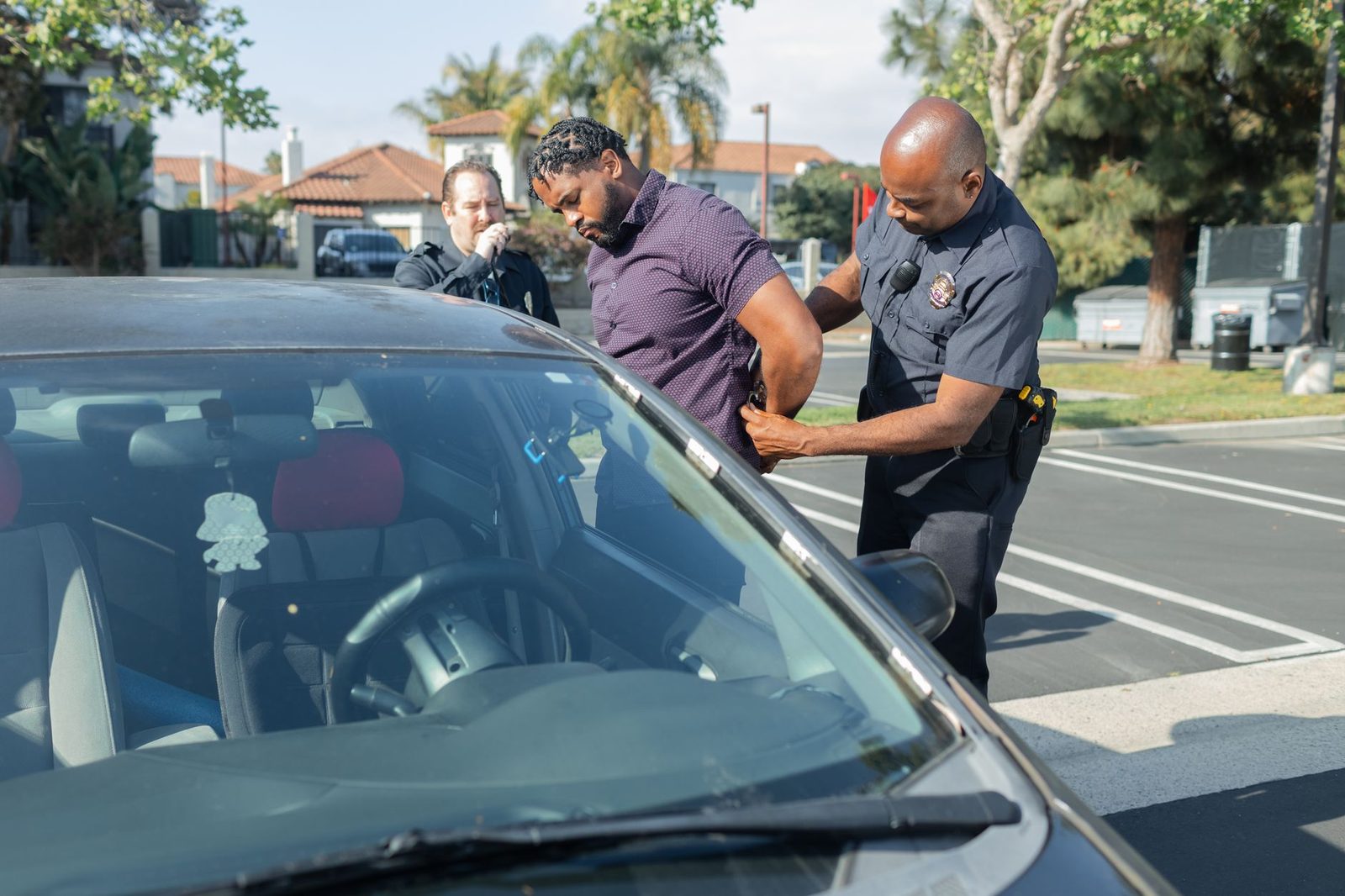
Next steps for a family after a fatal crash charge
If you’re a parent, spouse, or relative, you may be juggling dates after a sudden arrest. Write down each date from the notices. Keep copies of the paperwork. Note any no-contact or other conditions the judge sets.
Missing a court date can cause serious problems, so confirm each date against the notice you were given.
Patrick Wilson Law, PLLC is based in Miami. This page is responsibility of Patrick David Wilson, the responsible lawyer for this page.
Your first consultation with the firm is free, confidential, and carries no obligation to continue.
If you’re ready to talk through the charge and the next court date, call 786-761-1719 or schedule your free consultation.
How We Support You Before the Arraignment
We Review the Charges With You
We walk through the charging documents and explain each part of the case in plain language, so you know what is being alleged.
We Prepare You for Court
We explain courtroom procedure, what to wear, what to say and what to avoid saying, so you arrive informed and calm.
We Protect Your Rights
From the first appearance onward, we make sure your rights are raised and considered at every stage of the process.
You Stay Informed
We keep you updated on court dates, filings and next steps, so there are no surprises.
Important: Do Not Talk About Your Case
Anything you say to police, prosecutors, witnesses or on social media can be used later. Speak only with your attorney about the facts of the incident, and do not ignore any court notice or summons.
Questions to Bring to Your First Consultation
What exactly am I charged with?
Ask for a clear explanation of the charge, the statute cited and what the State must prove.
Do I have to attend in person?
Ask what your appearance requires, including whether you must be present and what happens if you cannot attend.
What are the next steps?
Ask what follows the arraignment, such as discovery, pretrial conferences and any deadlines we need to track for you.
How will we communicate?
Ask how often you will receive updates and the best way to reach your legal team with questions.
Talk With Patrick Wilson Law Before Your Court Date. Your First Consultation Is Free, Confidential and Without Obligation.
Related practice areas
- Vehicular Homicide Defense Attorney in South Florida: Charges, Penalties and How the Defense Is Built
- Fatal Crash Florida: Should I Contact the Victim’s Family?

