
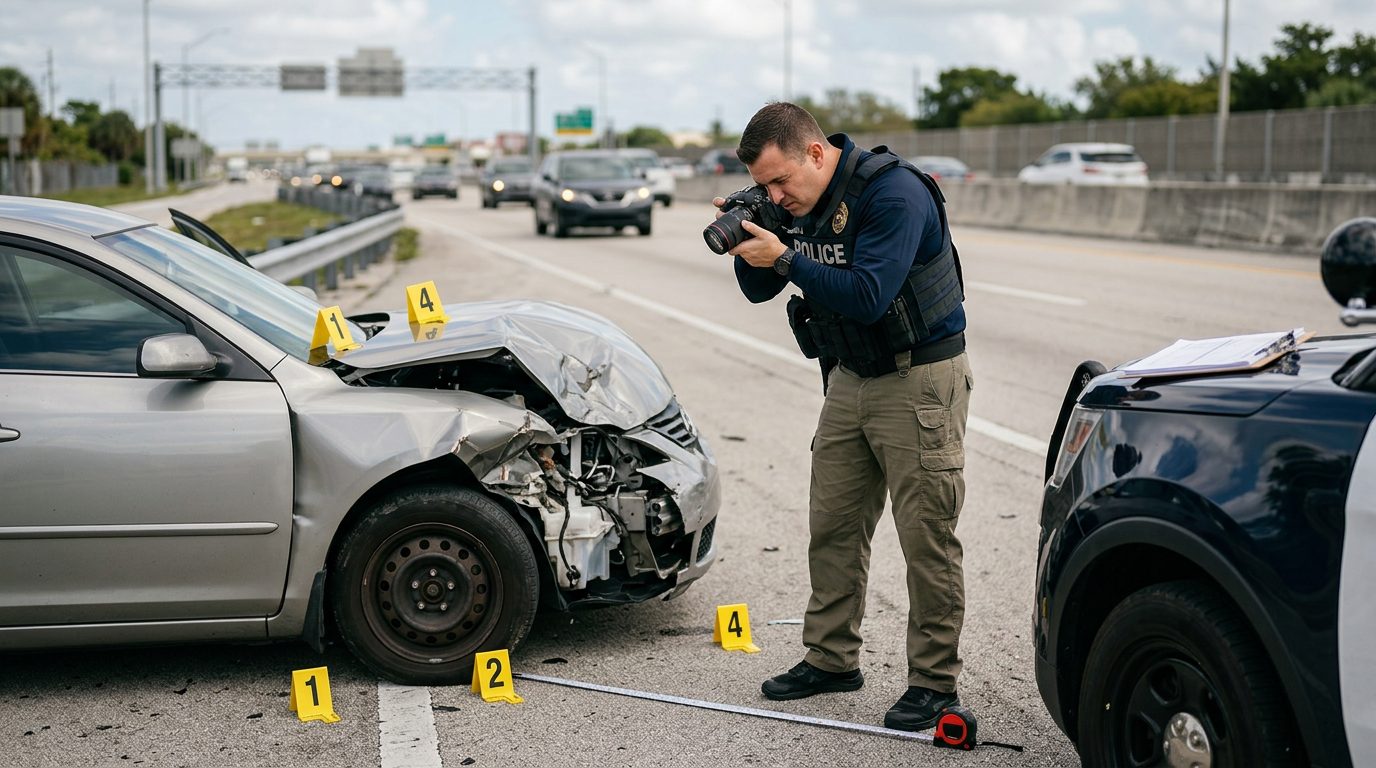
Vehicular Homicide Defense | Miami-Dade County
Facing a Vehicular Homicide Arraignment in Miami-Dade? Know What Comes Next.
Patrick Wilson Law, PLLC focuses on criminal defense across South Florida. Here is how the first court appearance works and how our team can help you prepare.
By Patrick David Wilson · Published October 26, 2026
A vehicular homicide arraignment in Miami-Dade is the hearing where the formal charge is read and the defendant responds to it. It comes after the first appearance and sets the pace for the rest of the case. This guide covers who is in the room, what gets said, how a plea is entered, and which bond conditions can follow. Patrick Wilson Law, PLLC is a criminal defense firm in Miami that focuses on vehicular homicide and related charges.
What Is a Vehicular Homicide Arraignment in Miami-Dade?
An arraignment is the court hearing where the charge is read and the defendant is asked to plead. Florida’s arraignment rule says it must be held in open court or by audio-video technology, as the court decides. Fla. R. Crim. P. 3.160 sets out that structure.
Arraignment is not the first appearance. Under Fla. R. Crim. P. 3.130, every arrested person must see a judge within 24 hours of arrest, unless already released lawfully. That first hearing covers the charge and release. The arraignment comes later.
Vehicular homicide is a felony. Under Fla. Stat. § 782.071, it is the killing of a human being, or of an unborn child by any injury to the mother, caused by another person’s operation of a motor vehicle in a reckless manner likely to cause the death of, or great bodily harm to, another. Arraignment is one early step in that felony case.
If a Miami-Dade arraignment is coming up after a fatal crash, you don't have to face the court alone. Call 786-761-1719 or leave us a message to talk through your next steps. Talk it through with our team — the first consultation is free, confidential, and carries no obligation.
Who Is in the Courtroom and What Each Person Does
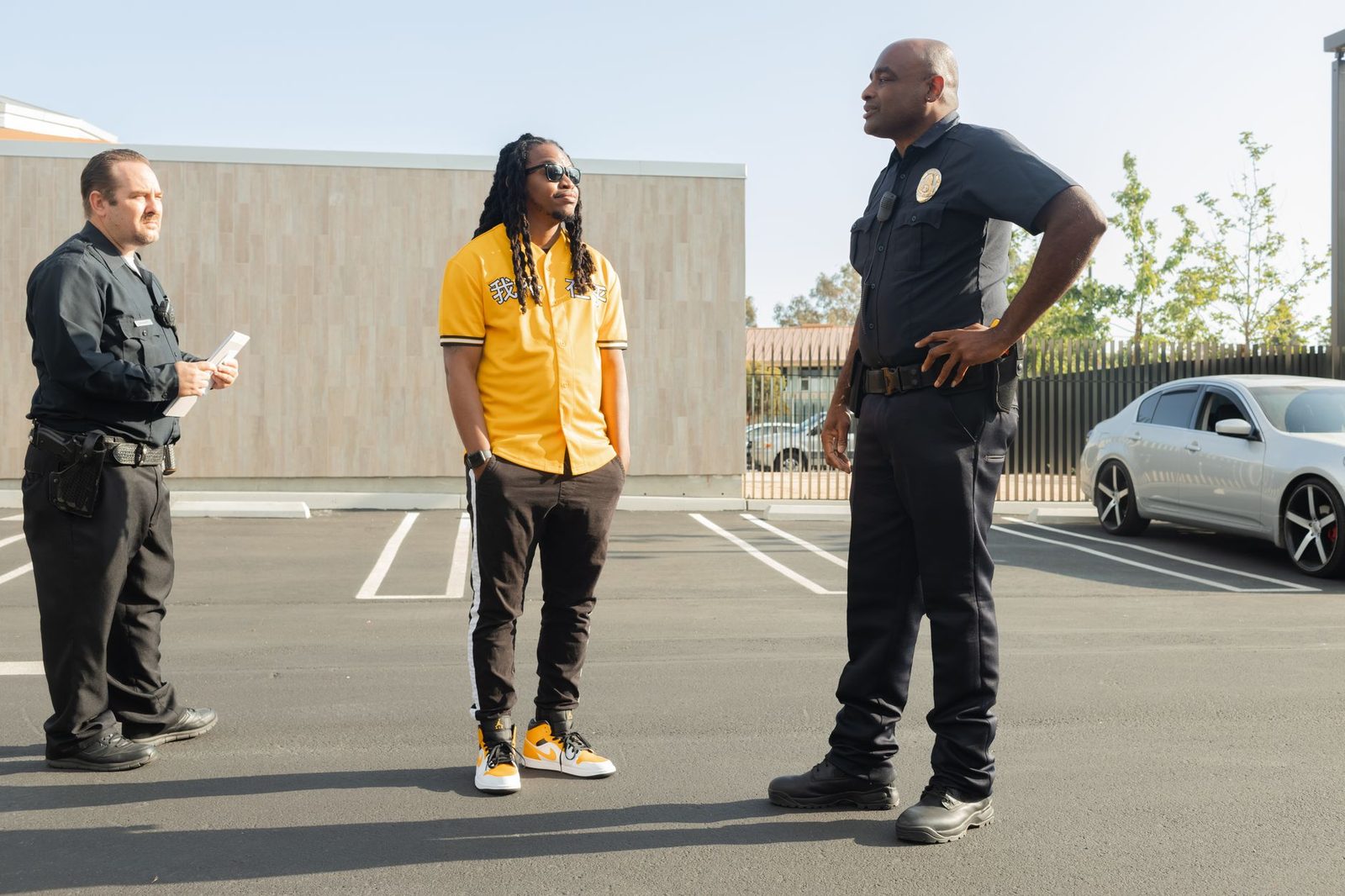
Five people usually shape the arraignment: the judge, the prosecutor, defense counsel, the defendant, and the clerk. Each one has a different job.
The judge runs the hearing and sets the schedule. The judge also decides release terms and makes the final sentencing decision.
The prosecutor works for the State Attorney’s Office. The prosecutor presents the charge and speaks to release conditions.
Defense counsel enters the case for the defendant. Counsel speaks for the defendant, handles scheduling, and advises on every plea choice.
The defendant stands when addressed and answers the court’s questions.
Family members usually sit in the gallery. They should stay quiet, even when emotions run high. Outbursts can slow the hearing and create problems for the defendant.
The clerk records the proceedings and the next dates. The Miami-Dade Clerk of the Court and Comptroller posts how criminal hearings are scheduled and whether they run virtually.
How the Charge and the Defendant’s Rights Are Read
The charge is read aloud or summarized, and the defendant can waive that reading. Under Rule 3.160, the reading or statement of the charge may be waived. Counsel can explain what that choice means before anyone decides.
Those protections matter at every stage.
Florida also protects silence in court. Under Fla. R. Crim. P. 3.250, no accused person can be compelled to testify against themselves. A prosecutor cannot comment on that silence.
Do not describe the crash in open court. The hearing is on the record. Talk through every fact with counsel first, in private.
How the Plea Is Entered at Arraignment
At arraignment, the defendant enters a plea: not guilty, no contest, or guilty. If a lawyer represents the defendant, counsel can file a written not guilty plea at or before arraignment. Then the arraignment is deemed waived, so no live plea is needed in the room.
A not guilty plea keeps the case open. After it, the defendant gets a reasonable time to prepare for trial, under Fla. R. Crim. P. 3.160. That time lets counsel review the evidence.
A no-contest plea, called nolo contendere, is a separate choice. The judge must find it voluntary and find a factual basis for it, under Fla. R. Crim. P. 3.172. A plea without reserving the right to appeal gives up the right to appeal matters tied to the judgment.
A guilty plea is not required at arraignment. Which plea to enter depends on the facts of the case. Under Fla. R. Crim. P. 3.171, counsel must advise the client of every plea offer and cannot agree to a plea without the client’s full consent.
Bond, Release Conditions, and Pretrial Restrictions
Bond conditions are set, reviewed, or confirmed at this stage. When setting monetary bond, the judge must set a separate bail amount for each crime charged, under Fla. R. Crim. P. 3.131.
Release can include conditions beyond money. Under Fla. Stat. § 903.047, the defendant must refrain from criminal activity. Fla. Stat. § 903.047 reads: “(b) If the court issues an order of no contact, refrain from any contact of any type with the victim, except through pretrial discovery pursuant to the Florida Rules of Criminal Procedure.” The defendant also cannot be within 500 feet of that person’s home, vehicle, workplace, or a specified place frequented regularly by that person.
Other conditions can include regular reporting to an agency, a curfew, travel limits, and no excessive alcohol use.
Violations have consequences. Under Fla. Stat. § 903.0471, a court may revoke release and order detention if it finds probable cause of a new crime or a material violation.
Before leaving the courthouse, know every condition and the next court date.
Early Resolution Options Discussed at This Stage
Early resolution is discussed with counsel, but it is not decided at arraignment. Plea talks with the prosecutor aim at an agreement. A plea agreement is not binding until the judge formally accepts it, under Fla. R. Crim. P. 3.172.
Pretrial intervention is a diversion program. Under Fla. Stat. § 948.08, a first offender, or a person previously convicted of not more than one nonviolent misdemeanor, who is charged with a misdemeanor or a third-degree felony is eligible for the pretrial intervention program with the approval of the program administrator and the consent of the victim, the state attorney, and the judge who presided at the initial appearance hearing, but only if the defendant, after consulting counsel, has voluntarily agreed to the program and knowingly and intelligently waived the right to a speedy trial for the period of diversion. Vehicular homicide is a first- or second-degree felony, so it is not among those charges.
Serious talks with the prosecutor usually come after the evidence is reviewed. Counsel should weigh each offer before any decision is made.
Not sure what your next step is?
Talk it through with our team — the first consultation is free, confidential, and carries no obligation.
Vehicular Homicide Penalties and How It Differs From DUI Manslaughter
Vehicular homicide is a second-degree felony in its basic form. Under Fla. Stat. § 782.071, it is a first-degree felony if the driver knew or should have known the accident occurred and failed to give information and render aid. It is also first-degree with a prior qualifying conviction.
Florida sentences felonies under the Criminal Punishment Code, which uses a lowest-permissible-sentence framework.
The court may also order 120 hours of community service in a trauma center or hospital, in addition to other punishment, under § 782.071(4).
DUI manslaughter is a different charge. Every case turns on its own facts and the evidence involved. The exact charge decides which penalties and defenses apply.
Talking With a Defense Lawyer Before the Arraignment
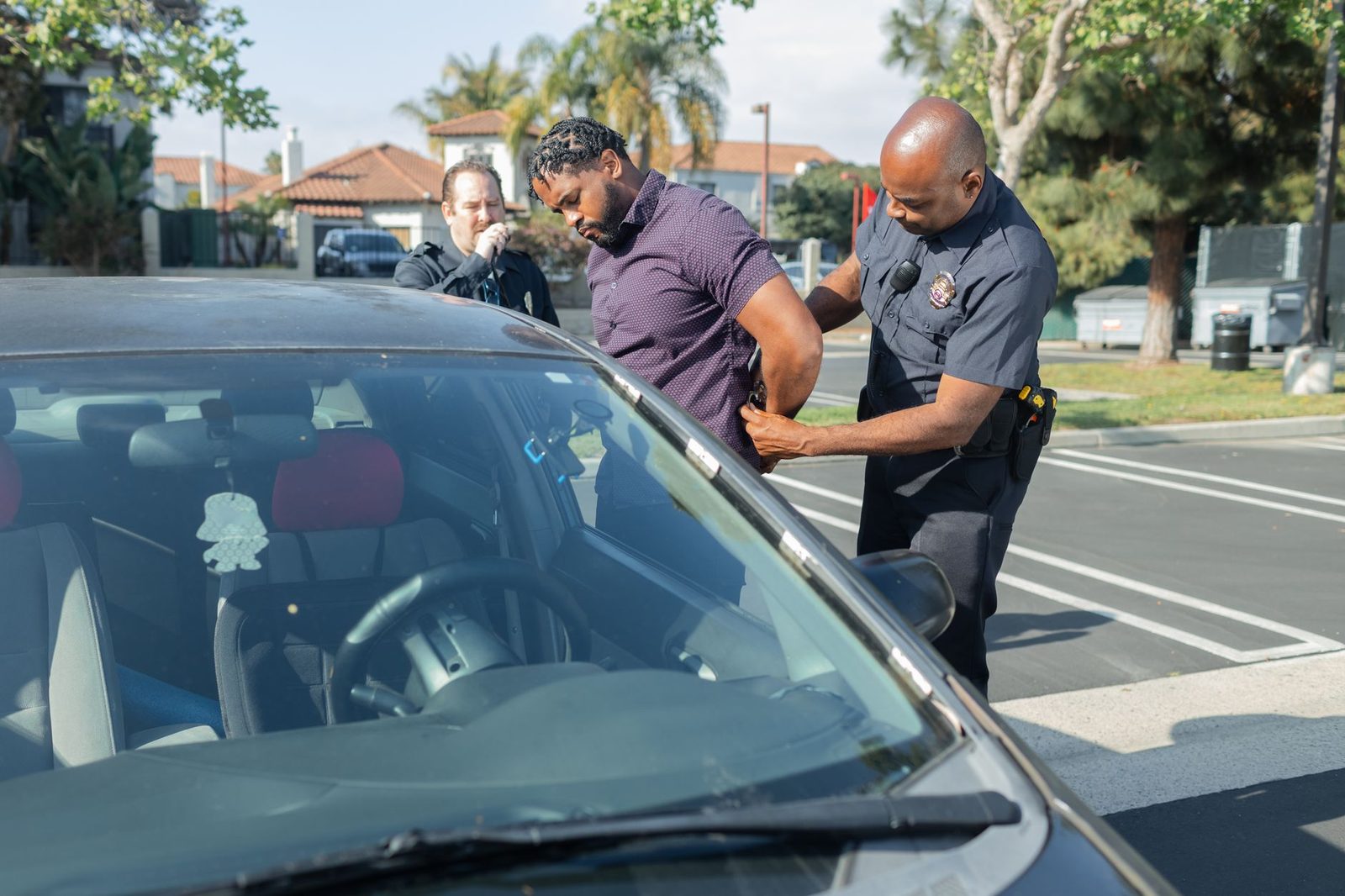
Talk with a criminal defense lawyer before the arraignment so plea and bond choices come with advice. Patrick Wilson Law, PLLC is based in Miami, and Patrick David Wilson is the responsible lawyer for this page. Our team handles criminal defense matters across South Florida.
Bring the arrest paperwork, any bond notice, any written no-contact order, and the court date. Write down what the court tells you.
Our first conversation is a free first consultation. It is confidential and carries no obligation to continue.
Quick answers to common questions
What happens at a vehicular homicide arraignment in Miami-Dade?
The charge is read, and the defendant is asked to plead or waive the reading.
First appearance happens within 24 hours of arrest, except when the person was previously released in a lawful manner, and covers the charge and release.
Can a lawyer file a not guilty plea for the defendant?
Yes. Counsel may file a written not guilty plea at or before arraignment.
Is vehicular homicide a felony in Florida?
Yes. It is a second-degree felony in its basic form, with first-degree versions.
No, the defendant cannot be compelled to testify at trial. But after a guilty or no contest plea, the trial judge may ask the defendant questions about the offense to which he or she has pleaded. Under Florida Rule of Criminal Procedure 3.172, if the defendant answers these questions under oath, on the record, and in the presence of counsel, the answers may later be used against him or her in a prosecution for perjury, so the facts should be discussed with counsel first.
If your arraignment is coming up after a fatal crash, you don’t have to prepare alone. Call 786-761-1719 or leave us a message, and we’ll go over your court date together.
How We Prepare You Before Arraignment
Review of the Charging Papers
We go through the charges, the arrest report and any filings with you so you understand exactly what the court will address.
Protecting Your Rights From the Start
Our team talks with you about how to respond to the judge and what to avoid saying before your attorney is involved.
Clear Answers in Plain Language
We explain each step of the hearing so the process feels less unfamiliar on the day it happens.
Support for You and Your Family
Our team keeps you informed about scheduling, paperwork and the next steps after the hearing.
Important: Do Not Discuss Your Case Without Counsel
Statements you make to police, witnesses, friends or on social media can be used later. Speak with a criminal defense attorney before you discuss the accident or the charge with anyone other than your lawyer.
Questions to Bring to Your Free Consultation
What Am I Charged With?
Ask how the vehicular homicide charge is described in the filings and what the State must prove.
What Happens at the Hearing?
Ask about the order of events, whether you need to attend in person and how your plea will be entered.
What About Bond and Release?
Ask how conditions of release are set and what you should do to comply with them while the case is pending.
What Are the Next Steps?
Ask what comes after arraignment, including discovery, motions and future court dates.

