

Vehicular Homicide Defense | Miami, Florida
Vehicular Homicide Bond in Florida: What a Judge Weighs
Patrick Wilson Law, PLLC focuses on criminal defense across South Florida, from Miami-Dade and Broward to the Florida Keys. Learn how bond decisions are made after a vehicular homicide arrest, and what to do next.
By Patrick David Wilson · Published October 21, 2026
Florida law starts from a right to pretrial release for most criminal charges, and vehicular homicide is covered by that starting point. The judge still decides whether release is allowed, how much bail applies, and which conditions apply. Bond is a court decision made case by case, so the result depends on the facts and the record before the judge. No one can predict how a particular judge will rule.
What Vehicular Homicide Means Under Florida Law
Vehicular homicide is causing a person’s death by driving a motor vehicle in a reckless manner that is likely to cause death or great bodily harm. Fla. Stat. § 782.071 defines the offense and makes it a second-degree felony. That is the base level of the charge.
The charge rises to a first-degree felony in certain cases. One case is when the driver knew or should have known that a crash occurred and did not give information and render aid as the law requires. A prior conviction under listed statutes is another path to the higher level.
A second-degree felony carries up to 15 years in prison and a fine of up to $10,000. Vehicular homicide is a first-degree felony, punishable as provided in s. 775.082, s. 775.083, or s. 775.084, if the person knew or should have known the accident occurred and failed to give information and render aid as required by s. 316.062, or if the person has a prior conviction under this section, s. 316.193(3)(c)3., s. 327.35(3)(a)3.c., or s. 782.072. Those penalties matter at bond, because the judge weighs the seriousness of the charge. For a broader look at charges and defenses, read our vehicular homicide overview.
If someone you love was arrested after a fatal crash, you don't have to work through the bond process alone; our team can talk it through with you. Talk it through with our team — the first consultation is free, confidential, and carries no obligation.

Is Bond Available for a Vehicular Homicide Charge?
Questions about pretrial release depend on the specific charges and facts of each case. Under Fla. Stat. § 907.041, a defendant arrested for certain dangerous crimes, including some first-degree felonies, may be subject to a motion for pretrial detention when the statutory criteria are met, and the statute also addresses DUI manslaughter. Fla. R. Crim. P. 3.131 makes an exception only for a capital offense or an offense punishable by life imprisonment, where the proof of guilt is evident or the presumption is great.
Having a right to release does not mean release on any terms. The judge decides the form of release, the amount of any monetary bail, and the conditions. Each crime charged needs its own separate bail amount when a monetary bond is set. So a case with several charges can produce several bond decisions.
The judge must also consider all relevant factors to decide what release is needed to assure the person returns to court. That review happens at the first appearance and can continue at later hearings. Facts such as the crash itself, the person’s history, and community ties shape the decision.
What Happens at a First Appearance Hearing
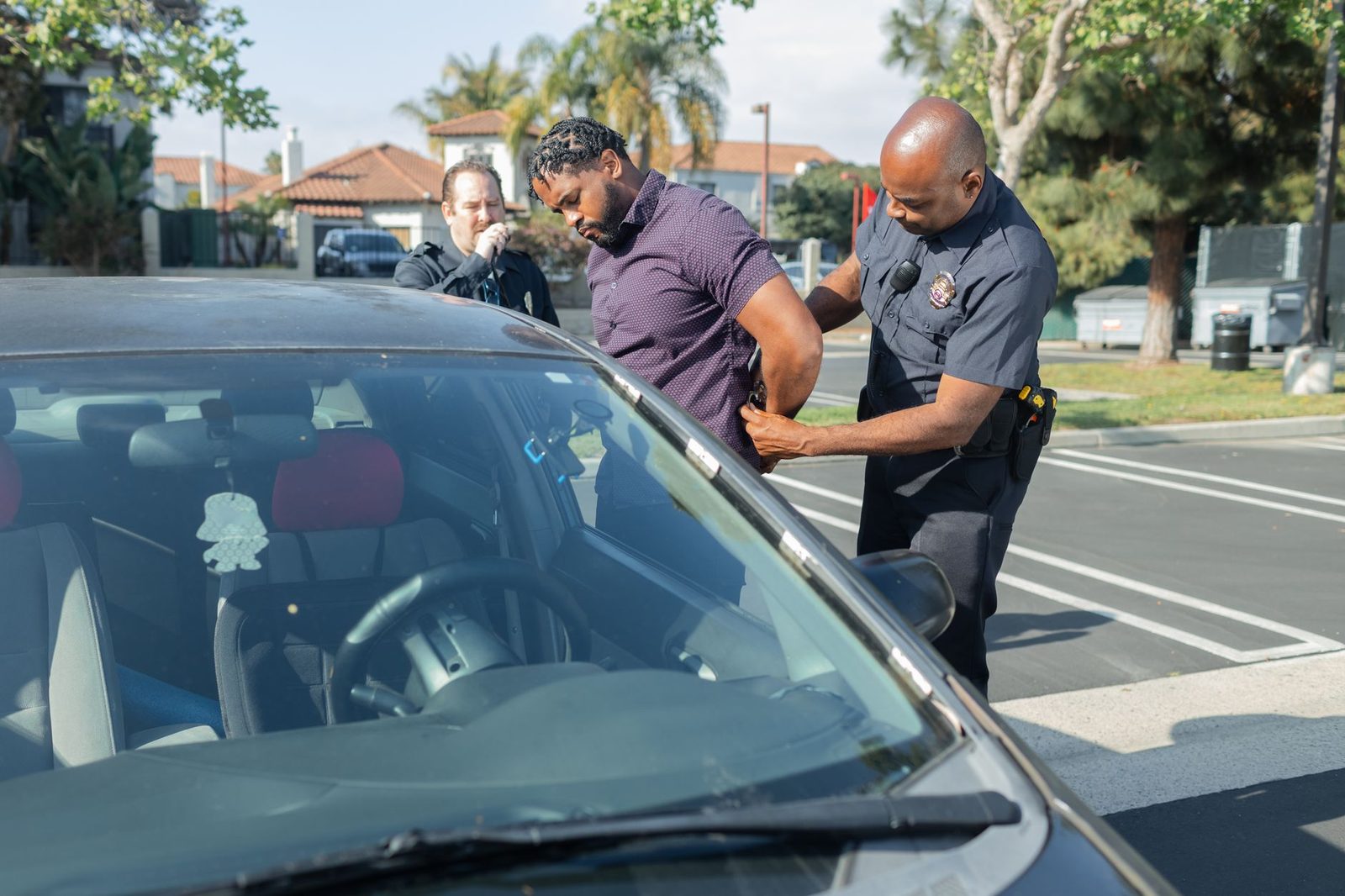
The first appearance hearing is usually the first time a judge reviews the arrest, but bail may sometimes be set earlier under a local bond schedule or as ordered by the issuing judge on an arrest warrant, if applicable. Under Fla. R. Crim. P. 3.130, except when previously released in a lawful manner, every arrested person must go before a judge within 24 hours of arrest. The judge may hold the hearing in person or by audio-video technology.
At the hearing, the judge must tell the defendant the charge. A state attorney and a public defender or assistant public defender must attend, in person or by communication technology, unless the defendant has retained counsel or wants to and is financially able, in which case the public defender’s attendance is not required. If the defendant can afford a lawyer and wants one, the judge must allow reasonable time to send for counsel. Under Fla. R. Crim. P. 3.130, if the defendant has employed counsel or is financially able and desires to employ counsel, the judge must allow the defendant a reasonable time to send for counsel and must, if necessary, postpone the first appearance hearing for that purpose.
After advising the defendant, the judge decides pretrial detention or conditions of release. The Miami-Dade Clerk of the Court and Comptroller explains how felony bond hearings are scheduled and held, both in person and virtually.
The first appearance sets the starting point. It is not always the final word. The defense can file a later motion, and the court may modify the conditions of release.
Factors a Judge Considers When Setting Bond
A judge weighs the factors in Fla. Stat. § 903.046. The goal is to make sure the person returns to court and to protect the community from unreasonable danger.
The judge looks at the nature and circumstances of the offense and the weight of the evidence. The judge also considers family ties, length of residence in the community, immigration status, employment history, financial resources, and mental condition.
The judge reviews past and present conduct. That includes prior convictions, previous flight, and failures to appear. Under Fla. Stat. § 903.046(2)(d), a defendant who failed to appear on the day of a required court proceeding in the case at issue and was later arrested is not eligible for a recognizance bond or for any bond that does not require a monetary commitment of at least $2,000 or twice the original bond, whichever is greater. The court can still use discretion if the person proves the missed date was caused by circumstances beyond their control.
The judge also asks whether the person was already on probation, parole, or other release in another case. The judge considers whether there is probable cause to believe a new crime was committed while on pretrial release.
Prosecutors may stress danger to the community. The defense answers with the same statutory factors. Florida law makes community protection central. Fla. Stat. § 907.041 states that the primary consideration is protecting the community from risk of physical harm to persons.
Conditions That Can Come With Pretrial Release
Release can come with conditions the court sets under Fla. Stat. § 903.047. The defendant must refrain from criminal activity of any kind and must follow every condition the court imposes. Fla. Stat. § 903.047 reads: “(b) If the court issues an order of no contact, refrain from any contact of any type with the victim, except through pretrial discovery pursuant to the Florida Rules of Criminal Procedure.”
Nonmonetary conditions may include keeping a job or looking for one, reporting regularly to an agency, and limits on travel or residence. A curfew is also possible. The court may require the person to avoid excessive alcohol and any non-prescribed controlled substance. It may require a substance abuse evaluation and follow-through on its recommendations.
If the court issues a no-contact order, the person cannot communicate with the protected person, directly or through a third party, unless the court otherwise specifies; the order does not bar the person’s attorney from communicating with the protected person for lawful purposes, consistent with Florida Bar rules. If the victim and the defendant have children in common, the court may, at the defendant’s request, designate a third person to pass messages about the children. The person also cannot come within 500 feet of that person’s home, vehicle, workplace, or a specified place frequented regularly by that person, unless the court modifies the order on a showing of good cause and when the interests of justice so require.
Violations have consequences. Fla. Stat. § 903.0471 lets a court revoke pretrial release and order detention if it finds probable cause of a new crime or a material violation of a condition. Families should understand every condition before anyone leaves custody.
How the Facts of the Crash Shape the Bond Hearing
The facts of the crash are part of what the judge hears. The judge looks at the nature and circumstances of the offense, so details such as speed, impairment, and what the driver did after the crash can matter.
Impairment has its own rules. Fla. Stat. § 316.1933 says an officer with probable cause to believe an impaired driver caused a death or serious bodily injury shall require a blood test. Fla. Stat. § 316.1933 reads: “If a law enforcement officer has probable cause to believe that a motor vehicle driven by or in the actual physical control of a person under the influence of alcoholic beverages, any chemical substances, or any controlled substances has caused the death or serious bodily injury of a human being.” The officer may use reasonable force if necessary.
Leaving the scene is a separate and serious problem. Fla. Stat. § 316.027 requires a driver in a crash that results in death to stop and remain at the scene.
Charging decisions and bond decisions are separate stages. Our page on reducing a vehicular homicide charge covers the charging side of a case.
Not sure what your next step is?
Talk it through with our team — the first consultation is free, confidential, and carries no obligation.
Collateral Issues to Raise Early
A fatal crash case can affect a commercial driver’s license and, for non-citizens, immigration status. Both issues can shape how the case moves in its first stages.
Traffic cases involving commercial motor vehicles can raise separate questions about a commercial driver license, so the driver’s license and the criminal charge should both be reviewed.
Immigration status is one of the bond factors under § 903.046. That makes it relevant at the first appearance. Non-citizens should tell their lawyer about their status early. Our page on immigration consequences of vehicular homicide explains these issues in more detail.
Talk With a Lawyer About Your Situation
If someone you love was arrested after a fatal crash, the next few days move fast, and each decision carries weight. Many families are learning the process while they are scared and grieving.
Common Questions About Bond
How soon must a judge see an arrested person?
Within 24 hours of arrest, unless the person was previously released in a lawful manner.
Is one bond set for all charges?
No. Each crime charged needs its own separate bail amount when monetary bond is set.
Can bond conditions change later?
Yes. The defense can file a later motion, properly noticed under law, and the court may modify the conditions.
Patrick Wilson Law, PLLC focuses on criminal defense across South Florida, including Miami-Dade, Broward, the Florida Keys, Kendall, Hialeah, and Homestead. Patrick David Wilson is the responsible lawyer, and the office is in Miami, Florida. If you need to understand a bond decision after a fatal crash, call 786-761-1719, leave us a message, or use our contact page. The first consultation is free, confidential, and carries no obligation to continue.
Circumstances a judge may consider at a bond hearing
The charge and its facts
The judge reviews the alleged circumstances of the crash, the charges filed, and the information the state presents.
Ties to the community
Family, employment, residence, and length of time in the area are often discussed when setting conditions of release.
Prior record and court history
A person's criminal history, including any record of missed court dates, can influence the bond decision.
Safety of the community
The court may consider whether release would pose a risk to others and what conditions could address that concern.
Speak to a lawyer before you speak to anyone else
Statements made to police, prosecutors, or a bond officer can affect the case. Contact a criminal defense attorney before answering questions about the crash.
Questions to bring to your free consultation
What was the bond amount set?
Ask whether the amount was set per charge and whether conditions such as electronic monitoring or travel limits apply.
Can the bond be reviewed?
Ask how a bond review or modification request would be handled in your case.
What do the next court dates require?
Make sure you understand every appearance, condition, and deadline the court has ordered.
What are the next steps?
Ask how your defense would be approached from the first hearing through resolution of the case.

