
Miami Criminal Defense | Traffic Homicide
Vehicular Homicide or Manslaughter? Know the Difference Before Your Next Step
Patrick Wilson Law defends clients across Miami-Dade, Broward and the Keys. Here is how the two charges compare.
By Patrick David Wilson · Published October 30, 2026
Responsible lawyer: Patrick David Wilson, Patrick Wilson Law, PLLC, Miami, Florida.
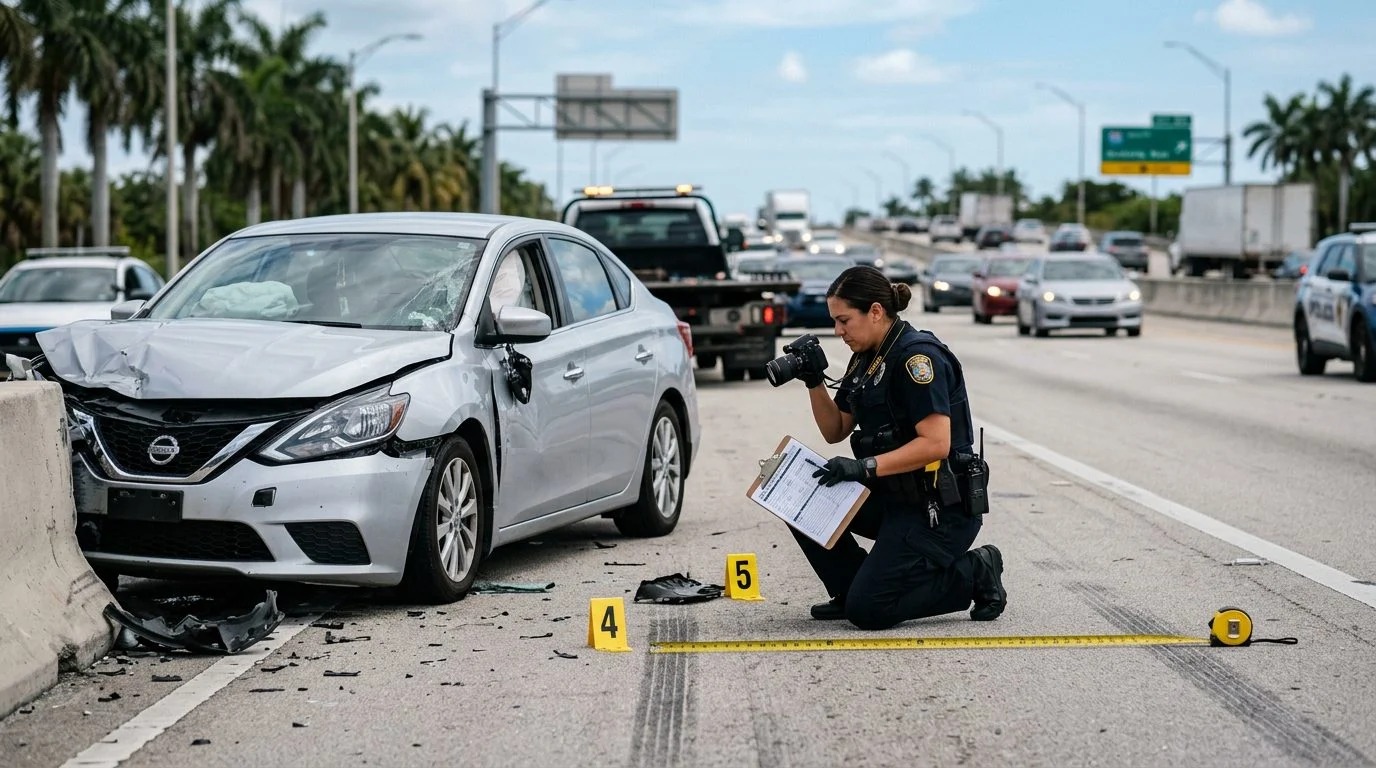
If you searched for the difference between vehicular homicide and vehicular manslaughter, you’re probably trying to understand a charge. Maybe a family member was arrested. Maybe you read the words in a news story or on a court paper. Here is the plain answer, and the detail behind it.
Vehicular Homicide Is the Florida Charge, Not Vehicular Manslaughter
Florida’s main charge for a death caused by a motor vehicle driven in a reckless manner likely to cause death or great bodily harm is vehicular homicide. The term “vehicular manslaughter” is used loosely by many people, while Florida’s statute uses the term “vehicular homicide.” It isn’t the name the statute uses.
Florida also has a general manslaughter law, Fla. Stat. § 782.07. That law covers a killing caused by another person’s act, procurement, or culpable negligence. It isn’t limited to crashes. Some impaired driving cases fall under the DUI statute, Fla. Stat. § 316.193.
So the exact name on the charging papers matters more than the phrase in the news. That number tells you which elements the state must prove and which penalties may apply.
What Florida Means by Vehicular Homicide
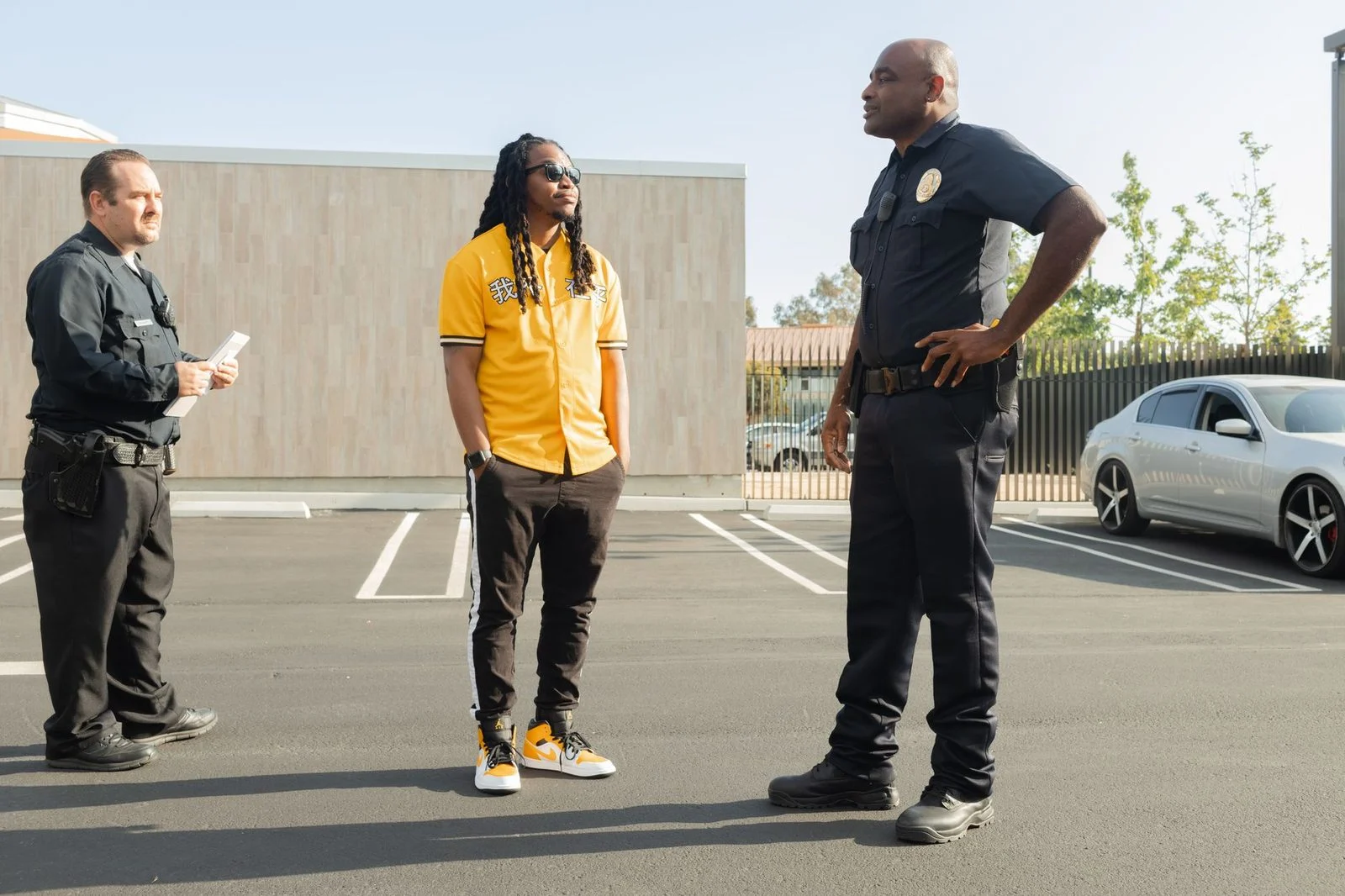
Vehicular homicide is a death caused by a driver’s reckless operation of a vehicle. Section 316.193(3)(c)1 applies to any person who violates subsection (1), operates a vehicle, and by reason of that operation causes or contributes to causing damage to the property or person of another, which is a misdemeanor of the first degree; it does not describe a killing caused by reckless operation of a motor vehicle.
A death occurred. The defendant was the one operating the vehicle. Section 316.193 defines the offense of driving under the influence, not reckless driving; the reckless-manner standard the paragraph describes is in § 782.071.
A driver who simply failed to pay attention may be negligent. The DUI statute, § 316.193, asks whether a person was driving under the influence and impaired; the ‘likely to cause death or great bodily harm’ reckless-manner question is in the vehicular homicide statute, § 782.071.
Reckless driving is a different offense. Under Fla. Stat. § 316.192, it means driving in willful or wanton disregard for the safety of persons or property. It has its own penalties.
Fla. Stat. § 782.071 defines vehicular homicide as the killing of a human being, or the killing of an unborn child by any injury to the mother, caused by the operation of a motor vehicle by another in a reckless manner likely to cause the death of, or great bodily harm to, another. Older articles online may describe an earlier version.
Manslaughter and DUI-Related Deaths: How They Differ
General manslaughter covers a killing of a human being by the act, procurement, or culpable negligence of another, without lawful justification, and in cases in which such killing shall not be excusable homicide or murder. Culpable negligence is a legal term. Under Fla. Stat. § 782.07, manslaughter is a second-degree felony, but aggravated manslaughter of an elderly person or disabled adult, a child, or an officer, firefighter, EMT, or paramedic is a first-degree felony.
The facts of the crash decide which statute fits.
Impaired driving follows its own rules. Under Fla. Stat. § 316.193(1)(a), a person commits DUI when driving or in actual physical control of a vehicle while under the influence. The influence must affect the person’s normal faculties to the point of impairment. The statute covers alcohol, chemical substances, and controlled substances.
Blood testing can also follow a fatal crash quickly. Under Fla. Stat. § 316.1933, an officer with probable cause that an impaired driver caused a death or serious bodily injury must require a blood test. Under Fla. Stat. § 316.1933, if a law enforcement officer has probable cause to believe that a motor vehicle driven by or in the actual physical control of a person under the influence has caused the death or serious bodily injury of a human being, the officer shall require that person to submit to a blood test, and the officer may use reasonable force if necessary to require that submission. That rule can shape the evidence from the very start.
Why the Charge Name Changes the Penalties
The charge name points to a felony degree. The degree then sets the penalty range. Vehicular homicide is a second-degree felony under Fla. Stat. § 782.071(1)(a). Florida ranks felonies by degree under Fla. Stat. § 775.081.
Under Fla. Stat. § 782.071(1)(b)-(c), one first-degree trigger is that the driver knew or should have known the accident occurred and failed to give information and render aid.
Fines have a cap.
Defense work starts with the exact statute on the charging document. It then checks the facts that support the degree. A first-degree count changes the exposure, so read the degree line by line.
Which Is Worse: Vehicular Homicide or Manslaughter?
Neither charge is automatically worse on paper. In its base form, vehicular homicide is a second-degree felony. So is manslaughter under Fla. Stat. § 782.07, though its aggravated forms (an elderly person or disabled adult, a child, or an officer, firefighter, EMT, or paramedic) are first-degree felonies.
Vehicular homicide asks about reckless operation of a vehicle. Manslaughter asks about culpable negligence in the killing. The facts of the crash decide which one fits.
The label can change quickly. A first-degree version of vehicular homicide carries more exposure than a plain second-degree count. How any case turns out depends on the facts, the defendant’s record, and the sentencing rules that apply.
How Many Years Can Someone Face?
The years a person can face depend on the felony degree, the penalty statute, and the sentencing scoresheet. Prison terms are set under Fla. Stat. § 775.082.
Florida requires a digitized sentencing scoresheet for every felony sentence. See Fla. Stat. § 921.0024. The scoresheet is used to determine the permissible range for the sentence that the court may impose. Fla. Stat. § 921.0024 provides that a single digitized scoresheet shall be prepared for each defendant to determine the permissible range for the sentence that the court may impose, and that separate digitized scoresheets must be prepared when a defendant is before the court for sentencing for more than one felony committed under more than one version or revision of the guidelines or the code. The permissible range runs from that minimum up to and including the statutory maximum (Fla. Stat. § 921.0024(2)).
The Florida Department of Corrections publishes a Scoresheet Preparation Manual that explains how these worksheets are prepared.
Beyond prison and fines, the court may also order 120 hours of community service. That service takes place at a trauma center or hospital that regularly treats vehicle crash victims, under Fla. Stat. § 782.071(4).
Not sure what your next step is?
Talk it through with our team — the first consultation is free, confidential, and carries no obligation.
Related Charges in Fatal Crash Cases
Leaving the scene of a crash is its own serious offense. Under Fla. Stat. § 316.027, a driver who willfully violates the duty to stop at a crash that causes death commits a first-degree felony. Willfully leaving the scene of a crash that results in a death is a first-degree felony in Florida and carries a mandatory minimum term of 4 years in prison. A defendant may move to depart from that minimum, but the motion cannot be made if the violation was committed while the driver was under the influence.
The judge may depart from that minimum only if a factor clearly shows the minimum would be an injustice. Under Fla. Stat. § 316.027, a defendant may move to depart from the mandatory minimum term of imprisonment unless the violation was committed while driving under the influence, and the state may object to this departure; the court may grant the motion only if it finds that a factor, consideration, or circumstance clearly demonstrates that imposing a mandatory minimum term of imprisonment would constitute or result in an injustice. That exception does not apply when the driver was driving under the influence.
The statute also defines serious bodily injury. It means an injury that creates a substantial risk of death, serious personal disfigurement, or protracted loss or impairment of a bodily function.
Families also have a civil claim. Under Fla. Stat. § 782.071(3), a civil right of action for damages exists under § 768.19 for these deaths. That claim is separate from the criminal case.
Talking With a Lawyer About a Fatal Crash Charge
Many people reading this are worried about someone they love. A brother, a daughter, or a coworker may be under investigation, and the words on the paperwork feel heavy.
A defense lawyer looks at the exact statute, the facts recorded in the investigation, and the timing of any statements. Those three things shape what gets reviewed first.
Common Questions
Is vehicular homicide a felony in Florida?
Yes. It is a second-degree felony under the statute, and it can be a first-degree felony in the situations the law lists.
Is manslaughter a felony in Florida?
Yes. Under Fla. Stat. § 782.07, manslaughter is a second-degree felony, but aggravated manslaughter of an elderly person or disabled adult, of a child, or of an officer, firefighter, EMT, or paramedic is a first-degree felony.
Can leaving the scene raise a vehicular homicide charge?
Yes. Failing to give information and render aid can make the offense a first-degree felony under § 782.071(1)(b), but only if, at the time of the accident, the person knew or should have known that the accident occurred.
Can a family sue after a fatal crash in Florida?
Yes. Section 782.071(3) provides a civil right of action under § 768.19, under all circumstances, for all deaths described in that section (vehicular homicide).
Patrick Wilson Law is a Miami criminal defense firm serving Miami-Dade, Broward County, and the Florida Keys. Call 786-761-1719 or send us a message for a free, confidential initial consultation, with no obligation to continue.
How Our Firm Approaches a Traffic Homicide Case
Early review of the charge
We examine the police report, crash data and the charging decision to see whether the state's label fits the facts.
Defense from the first call
Our lawyers focus on protecting your rights before statements are made and while the case is still developing.
Attention for licensed professionals and first-time offenders
We understand what a felony charge can mean for a career, a license or a clean record, and we factor that into every decision.
Serving South Florida
Patrick Wilson Law is based in Miami and represents clients from Miami-Dade and Broward Counties to Fort Lauderdale and the Florida Keys.
Do Not Give a Statement Before Speaking With a Lawyer
Police and insurance adjusters may ask you questions after a fatal crash. Speak with a defense lawyer before you give a recorded or written account of what happened.
Key Differences at a Glance
Vehicular homicide
Florida Statute § 782.071 defines it as a second-degree felony.
Manslaughter
Involves causing a death through culpable negligence or through an act that shows a reckless disregard for human life. Florida Statute § 782.07 classifies it as a second-degree felony.
Why the label matters
Those differences shape every defense strategy.
Aggravated forms
Some circumstances, such as a death involving an elderly person, a disabled adult or a child, can change how a manslaughter charge is classified. Those facts require close review.

