
Vehicular Homicide Defense | Miami and Miami-Dade County
What the State Must Prove in a Florida Vehicular Homicide Case
Charges like this turn on specific elements, and each one can be challenged. Here is how the case is built and where a defense can focus.
By Patrick David Wilson · Published November 19, 2026
Here is what must be proven for vehicular homicide in Florida, in plain terms. The State has to prove four things: a person died, the defendant was driving the vehicle, the driving was reckless in a way likely to cause death or great bodily harm, and that driving caused the death. Florida defines the offense in Fla. Stat. § 782.071. Each part matters, because a gap in any one can change the case.
What the State Must Prove Under Florida Statute 782.071
Knowing what must be proven for vehicular homicide in Florida starts with the statute. The law defines the offense as the killing of a human being, or the killing of an unborn child by any injury to the mother, caused by the operation of a motor vehicle by another in a reckless manner likely to cause death or great bodily harm. The text is in Fla. Stat. § 782.071.
The base offense is a second-degree felony. Florida law sets the maximum prison term for a felony by its degree: up to 15 years for a second-degree felony and up to 5 years for a third-degree felony, under Fla. Stat. § 775.082. Two other paths can raise the level to a first-degree felony. We cover them near the end of this page.
Think of the elements as a checklist. Each item needs proof. A serious crash does not fill in a missing item. This section covers the main points discussed below.
If a fatal crash has put you under investigation or into court, you don't have to work through these elements alone. Reach out and we'll talk through your situation with you. Talk it through with our team — the first consultation is free, confidential, and carries no obligation.
Element One: An Unlawful Killing of a Human Being
The State must show that a person died. The statute uses the word “killing,” so the death is the core fact. The Legal Information Institute at Cornell Law School publishes plain legal definitions of homicide terms.
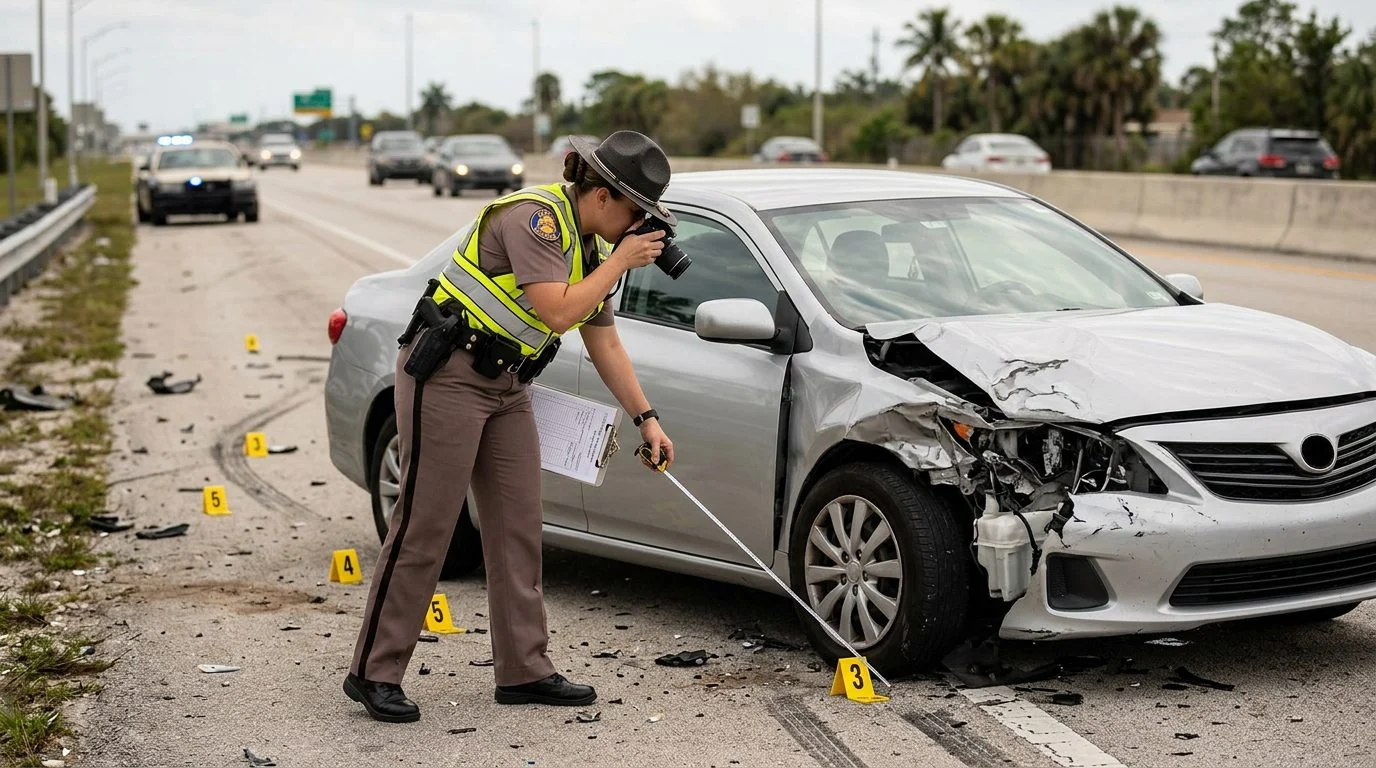
Proof of death usually comes from the medical examiner’s findings, an autopsy report, and a death certificate. Investigators also document the crash scene, photographs, and where the vehicles and the body came to rest. Those records help show how and when the death happened.
The death is usually well documented. The harder questions tend to come next. The State must tie that death to a particular driver and a particular manner of driving. Keep the medical records in mind, because they can bear on timing and cause later in the case.
Element Two: Operation of a Motor Vehicle by the Defendant
The State must prove the defendant was the person driving at the time of the crash. The prosecutor has to tie the driver to the wheel.
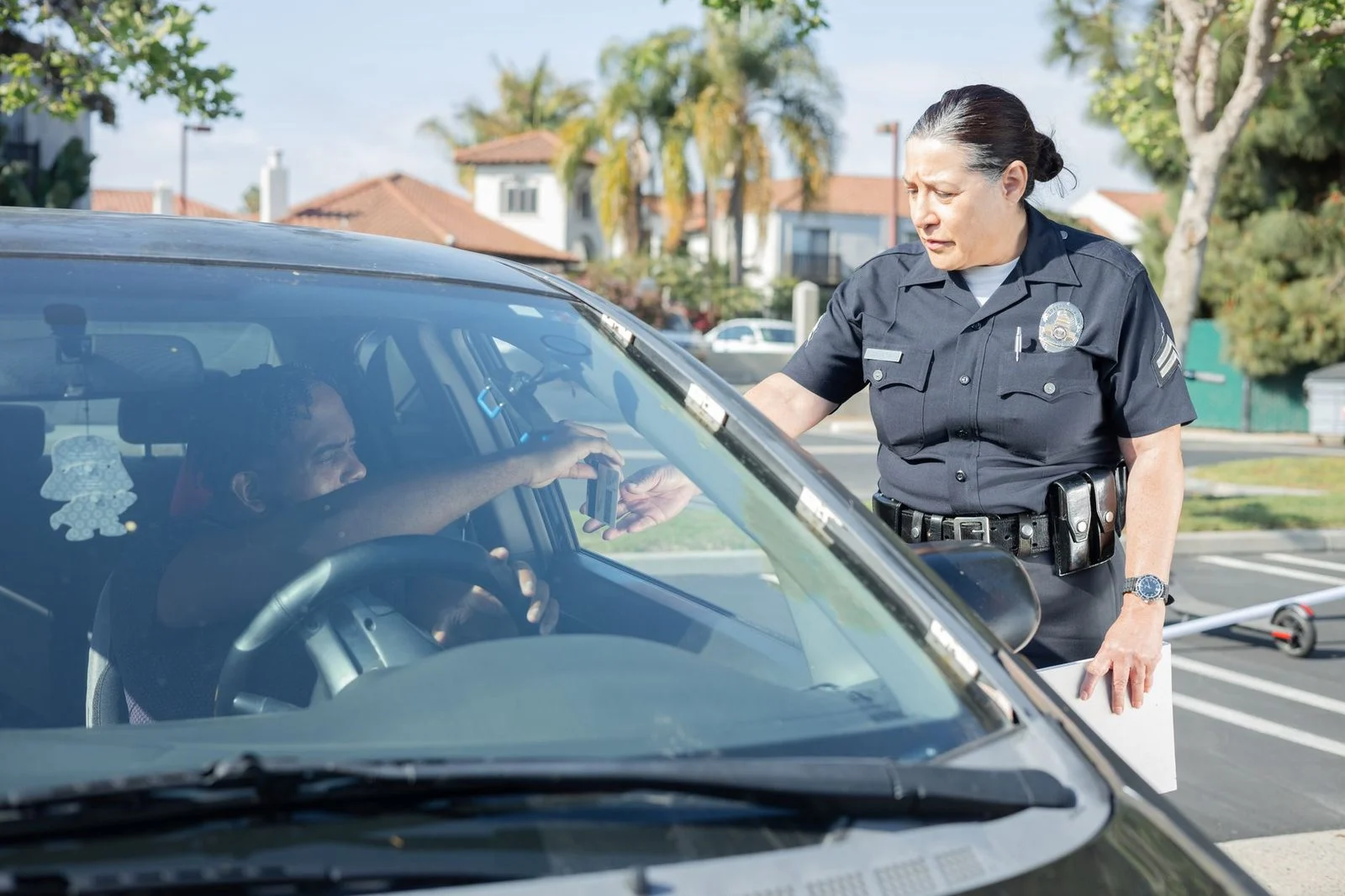
Evidence on this point often includes witness statements, vehicle data from onboard systems, cell phone records, traffic camera footage, and physical evidence inside the car. A witness may have seen a vehicle but not the person behind the wheel. Phone records may show activity but not who held the phone.
This element is contested when the driver’s identity is unclear. It is also contested when more than one person had access to the car, or when the car’s position at impact is in doubt. Identity is a separate question from whether the driving was reckless. The two often rest on different proof.
Element Three: A Reckless Manner Likely to Cause Death or Great Bodily Harm
The State must show the driving was reckless in a way likely to cause death or great bodily harm. The word “likely” matters. It has to show the manner of driving carried that kind of risk.
This element is often the center of the case. Prosecutors commonly point to speed, sudden lane changes, following too closely, impairment, and running a traffic signal. Florida’s reckless driving statute says a person who drives “in willful or wanton disregard for the safety of persons or property” is guilty of reckless driving, under Fla. Stat. § 316.192. That standard relates to this element, but it is not the same charge.
Careless driving is a lesser matter. Under Fla. Stat. § 316.1925, careless driving is a failure to drive in a careful and prudent manner. It is treated as a moving violation. The line between careless and reckless driving is a common point of dispute. How a court or jury applies that line depends on the facts of each crash.
Element Four: Causation Between the Driving and the Death
The State must connect the reckless driving to the death. The driving must be a cause of the death.
Other factors can enter the picture. A pedestrian steps into the road. Another driver crosses the center line. Brakes fail. A driver has a sudden medical event before impact. Each one can raise the question of whether the reckless driving caused the death.
Here is a plain example. A driver speeds on a wet road. A second car pulls out from a side street without warning, and the two collide. The defense may question whether the speed made any difference to what happened. Two causes can exist in one crash. The question then is which conduct the proof ties to the death.
Where These Elements Are Contested and What to Do Next
Reckless manner and causation are the two elements most often disputed. Operation becomes the main issue when the driver’s identity or the car’s position at impact is unclear.
Two other rules can raise the level of the charge. Fla. Stat. § 782.071 makes vehicular homicide a second-degree felony. It becomes a first-degree felony in two situations. The first is when the driver, at the time of the crash, knew, or should have known, that it happened and failed to give information and render aid as s. 316.062 requires, even if the driver did not know anyone was injured or killed. The second is when the driver has a prior conviction under that section, s. 316.193(3)(c)3., s. 327.35(3)(a)3.c., or s. 782.072. It also applies if the person failed to give information and render aid as required by s. 316.062. That paragraph does not require knowing that anyone was injured or killed. Under subsection (1)(c), a prior conviction under listed statutes also makes it a first-degree felony. The list includes a DUI provision in Fla. Stat. § 316.193.
Facts drive every step. The charge and the facts decide which elements matter most in a given case.
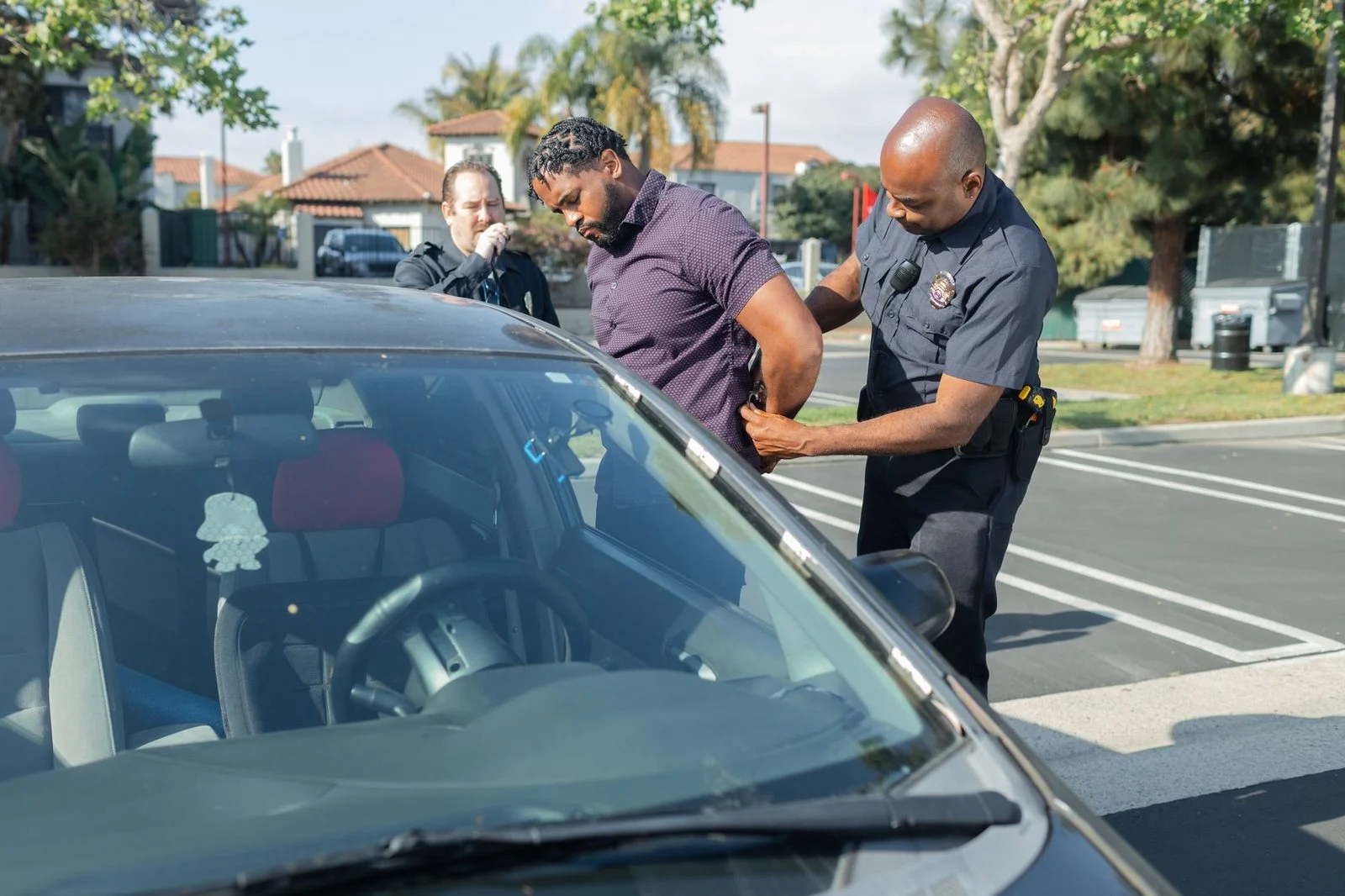
If a fatal crash has left you under investigation, or a charge has already been filed, these elements are where your case will be tested. Patrick Wilson Law, PLLC is a Miami criminal defense firm. It concentrates in vehicular homicide defense and serves South Florida, from Broward County to the Keys. Patrick David Wilson is the responsible lawyer for this page. Call 786-761-1719 or leave a message through the contact page for a free, confidential first consultation, with no obligation to continue.
Frequently Asked Questions
What must be proven for vehicular homicide in Florida?
The State must prove a death, the defendant’s operation of a vehicle, a reckless manner likely to cause death or great bodily harm, and that the driving caused the death.
Is vehicular homicide a felony in Florida?
Yes. The base offense is a second-degree felony under Fla. Stat. § 782.071.
Does the State have to prove the driver intended to kill?
The statute describes reckless driving likely to cause death or great bodily harm. It does not describe an intent to kill.
Can a prior conviction raise the charge?
It can. Under Fla. Stat. § 782.071, a prior conviction under listed statutes makes the offense a first-degree felony.
The Four Elements the State Must Establish
A Death Occurred
The State must show that a person died. The question is whether the death can be proven and tied to the incident in the way the charge requires.
The Defendant Operated a Vehicle
The State must show that the accused was driving or operating the vehicle at the time. Identity and control of the vehicle are often central to the case.
A Reckless Manner Likely to Cause Harm
The State must show that the driving was reckless in a way likely to cause death or great bodily harm. The circumstances of the driving are examined closely.
The Driving Caused the Death
The State must connect the driving to the death. Causation, including the role of other drivers, road conditions and timing, is a common point of dispute.
How Patrick Wilson Law Approaches These Cases
Review of the Evidence
We examine crash reports, vehicle data, witness statements and any available video to test each element the State must prove.
Focused Defense Strategy
Our attorneys focus on criminal defense in South Florida and build the defense around the facts of your specific case.
Confidential Representation
Your conversations with our lawyers are kept confidential from the start, so you can speak openly about what happened.
Clear Communication
Our team explains each stage of the case in plain language so you know what to expect and what decisions are ahead.
Do Not Assume the Charge Is Straightforward
A vehicular homicide charge depends on how each element is proven. Statements made at the scene, the way evidence was collected and the reconstruction of the crash can all affect the outcome. Speak with a lawyer before you discuss the details of the incident with anyone other than your counsel.

