

Vehicular Homicide Defense | Miami-Dade and Broward
Arrested After a Fatal Crash? Start With These Steps
Patrick Wilson Law, PLLC defends South Florida drivers facing vehicular homicide and related charges. Here is how to protect yourself in the first hours and days.
By Patrick David Wilson · Published November 8, 2026
Fatal Crash Arrest Florida: What to Do in the First 48 Hours
After a fatal crash arrest in Florida, the first steps are clear. The arrested person should stay silent and ask for a lawyer. Family should track court dates, bond terms, and the case number. Florida’s rules also require a judge to see the arrested person within 24 hours, unless the person was previously released in a lawful manner.
If someone you love was just arrested after a deadly crash, you don't have to work through the next two days alone. We're ready to talk whenever you are. Talk it through with our team — the first consultation is free, confidential, and carries no obligation.
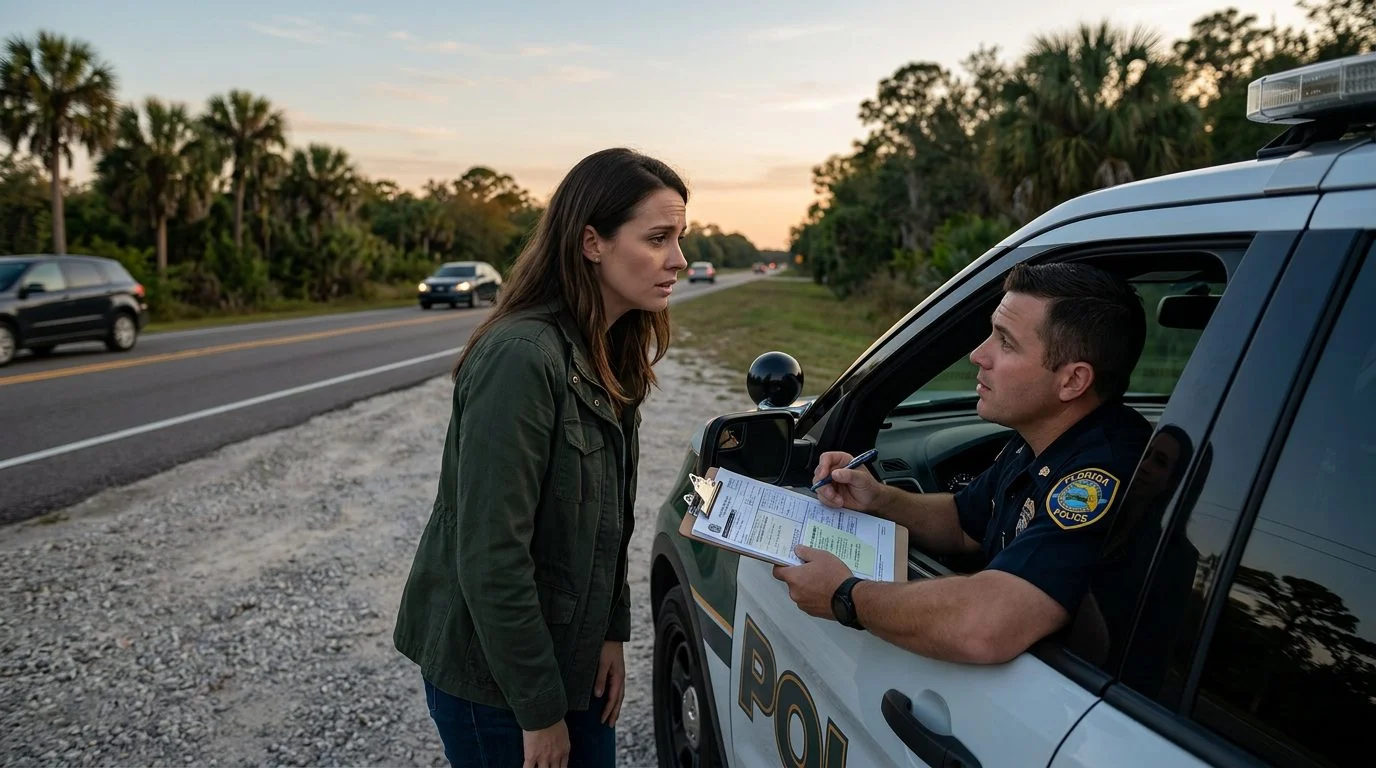
Why the First 48 Hours Matter After a Fatal Crash Arrest
The first two days move fast. You may be waiting by a phone while a loved one sits in a booking room. Calls keep coming, and the questions keep piling up.
Early choices can affect the case later. What the arrested person says to police, whether a blood test is taken, and how the vehicle and phone are handled all matter. Knowing the order of events helps you avoid harmful mistakes.
This page gives general information about Florida procedure. It is not advice about one case. Each crash has its own facts, and those facts shape what happens next. Patrick Wilson Law, PLLC is a criminal defense firm in Miami. It handles DUI, domestic violence, sexual battery, and vehicular homicide charges across Miami-Dade, Broward, and the Florida Keys.
Step One: Know Where the Arrest Process Stands
Florida’s rule requires a judge to see every arrested person within 24 hours of arrest, unless the person was already released lawfully. Fla. R. Crim. P. 3.130 This hearing is called the first appearance. It can happen in person or by audio-video technology.
At the first appearance, the judge explains the charge and the person’s rights. The judge then addresses bond, which is the money or promise that lets a person wait for the case outside jail.
Florida law lists factors judges weigh when setting bond. These include the weight of the evidence, family ties, length of residence, employment history, and past conduct. Fla. Stat. § 903.046 The judge also considers any danger release may pose to the community.
Write these details down while they are fresh:
- The case number
- The arresting agency and the jail facility
- The bond amount and any conditions
- Every court date given at booking
Step Two: Say Nothing Beyond Asking for a Lawyer
The arrested person does not have to say anything. The judge must tell them this at first appearance. Fla. R. Crim. P. 3.130
Say it plainly: “I want a lawyer.” Then stop answering questions. Statements made at the scene, in a patrol car, or during booking can be used later.
The same rule applies in jail. Don’t discuss the crash with cellmates or other detainees. Assume jail phone calls may be recorded, so keep crash details off them.
Family members should stay out of it too. Don’t speak with investigators for the arrested person, and don’t give a written statement about the crash. Florida’s duty to make a report or give information to a law enforcement officer making a written report relating to a crash does not extend to information that would violate the privilege against self-incrimination (the right not to give evidence against yourself). Fla. Stat. § 316.062
Step Three: Understand Breath and Blood Testing Decisions
When an officer has probable cause that an impaired driver caused a death or serious bodily injury, Florida law says the officer shall require a blood test. The officer may use reasonable force if needed. The test does not have to be tied to a lawful arrest.
Breath and urine rules work differently. Fla. Stat. § 316.1932
Test results are not locked away. Fla. Stat. § 316.1932
Whether a test was lawful depends on how the stop, arrest, and blood draw happened. Write down the times, who drew the blood, and what the officer said. Our page on police blood draws without a warrant covers that question in more detail.
Step Four: Protect Evidence, Phones, and Social Media
Keep the vehicle and its contents unchanged. Write down where it is stored and who has it. Keep these records:
- Towing and storage receipts
- Photos, dashcam footage, and phone video
- Texts or calls made before and after the crash
- Names and phone numbers of anyone who saw the crash
Don’t delete messages, posts, photos, or accounts. Deletion can create new problems and hurt credibility.
Stop posting, commenting, or messaging about the crash, the victim, or the arrest. Don’t contact the victim’s family directly, even to offer sympathy.
Fatal crashes must be reported to law enforcement. Florida Department of Highway Safety and Motor Vehicles
Not sure what your next step is?
Talk it through with our team — the first consultation is free, confidential, and carries no obligation.
Step Five: Handle Work, Licensing, and Immigration Status
A criminal case can affect a job, a professional license, or immigration status. Check each one early.
Some licensed professionals must report a conviction, guilty finding, or plea in writing within 30 days. The duty applies after a conviction or plea, regardless of adjudication. Failing to report is a ground for discipline. Fla. Stat. § 455.227 lists as a ground for discipline failing to report in writing to the board or, if there is no board, to the department within 30 days after the licensee is convicted or found guilty of, or enters a plea of nolo contendere or guilty to, regardless of adjudication, a crime in any jurisdiction. Because the duty follows a conviction or plea, not an arrest, talk through timing before any notice goes to an employer or board.
For non-citizens, federal law lists certain convictions as grounds for deportation. Those include crimes of domestic violence, stalking, and child abuse. The exact charge can matter for immigration consequences, so document immigration status now.
Gather employment, licensing, and immigration papers before a consultation. Patrick Wilson Law handles criminal defense for licensed professionals and for non-citizens, so these issues can be reviewed in the same meeting.
Questions That Come Next: Jail Exposure and Related Charges
Yes, a fatal crash can lead to jail or prison time under Florida law. Vehicular homicide is the killing of a human being, or of an unborn child by any injury to the mother, caused by the operation of a motor vehicle by another in a reckless manner likely to cause the death of, or great bodily harm to, another. Fla. Stat. § 782.071 It is a second-degree felony. It becomes a first-degree felony if the driver knew or should have known the crash occurred and failed to give information and render aid, or if the driver has a prior conviction under this section, s. 316.193(3)(c)3., s. 327.35(3)(a)3.c., or s. 782.072. Fla. Stat. § 782.071 Fla. Stat. § 782.071
Leaving the scene is a separate charge. A willful violation in a fatal crash is a first-degree felony with a mandatory minimum of 4 years in prison. Under Fla. Stat. § 316.027, a driver involved in a crash on public or private property that causes injury, serious bodily injury, or death must immediately stop the vehicle at the scene, or as close to it as possible, and remain there until the requirements of s. 316.062 are fulfilled. Florida Department of Highway Safety and Motor Vehicles Our page on leaving the scene of a fatal crash explains how those charges differ.
A civil damages claim also exists for these deaths under § 768.19. That civil case runs on a separate track from the criminal one. Fla. Stat. § 782.071
Can you go to jail for accidentally killing someone in a car accident in Florida?
Yes. Florida makes vehicular homicide a felony, so jail or prison time is possible. The penalty depends on the charge and the facts of the case.
What happens at a first appearance after arrest in Florida?
Except when previously released in a lawful manner, every arrested person must be taken before a judge, either in person or by audio-video communication technology in the discretion of the court, within 24 hours of arrest. The judge explains the charge, the right to remain silent, and the right to a lawyer, then addresses bond.
Do I have to answer police questions after a fatal crash in Florida?
Under Fla. R. Crim. P. 3.130, at the first appearance the judge must advise the defendant that the defendant is not required to say anything, and that anything the defendant says may be used against him or her. Stopping questions and asking for counsel is the safer step.

Talk With Patrick Wilson Law About Your Situation
Patrick Wilson Law can talk through your situation in a confidential first meeting. You may be holding things together while the facts are still coming in. It makes sense to want a clear plan now.
Call 786-761-1719 or leave a message. The firm is based in Miami. Patrick David Wilson is the responsible attorney for this page. The first consultation is free, confidential, and carries no obligation to continue.
Immediate Steps After an Arrest
Stay calm and courteous
Keep your hands visible, follow officers' instructions, and avoid arguing at the scene or during transport.
Request a lawyer
Say clearly that you want to speak with an attorney before answering questions, and do not explain what happened.
Stay off social media
Do not post, comment, or message anyone about the crash, the victims, or the arrest. Posts can be used as evidence.
Gather your information
Write down the names of the officers, the agency involved, and the court or booking details, then share them with your lawyer.
Why Reach Out to a Defense Lawyer Early
Early involvement matters
Prompt contact allows your attorney to request records and preserve evidence while it is still available.
Protect your statements
Anything you say to police, insurers, or others can be used later. Let your lawyer handle those conversations.
Free, confidential first consultation
Speak with Patrick Wilson Law, PLLC at no cost and with no obligation to continue.
Serving South Florida
The firm focuses on criminal defense across Miami-Dade, Broward, Fort Lauderdale, and the Florida Keys.
Important Warning
Do not give a recorded statement, sign documents, or discuss fault with police, insurance adjusters, or the victims' families until you have spoken with a lawyer.
Facing a Fatal Crash Charge? Talk With Patrick Wilson Law, PLLC Today
Related practice areas
- Vehicular Homicide Defense Attorney in South Florida
- Can Police Draw Blood Without a Warrant After a Fatal Crash in Florida?
- Can a Fatal Crash Ever Be Charged as Murder in Florida?

