
DUI Defense · Miami and South Florida
Blood Drawn After a Crash? Understand Why Before You Answer Questions
Patrick Wilson Law, PLLC focuses on DUI and criminal defense in Miami-Dade, Broward County and the Florida Keys. Here is how blood testing fits into a crash investigation in Florida.
By Patrick David Wilson · Published October 29, 2026
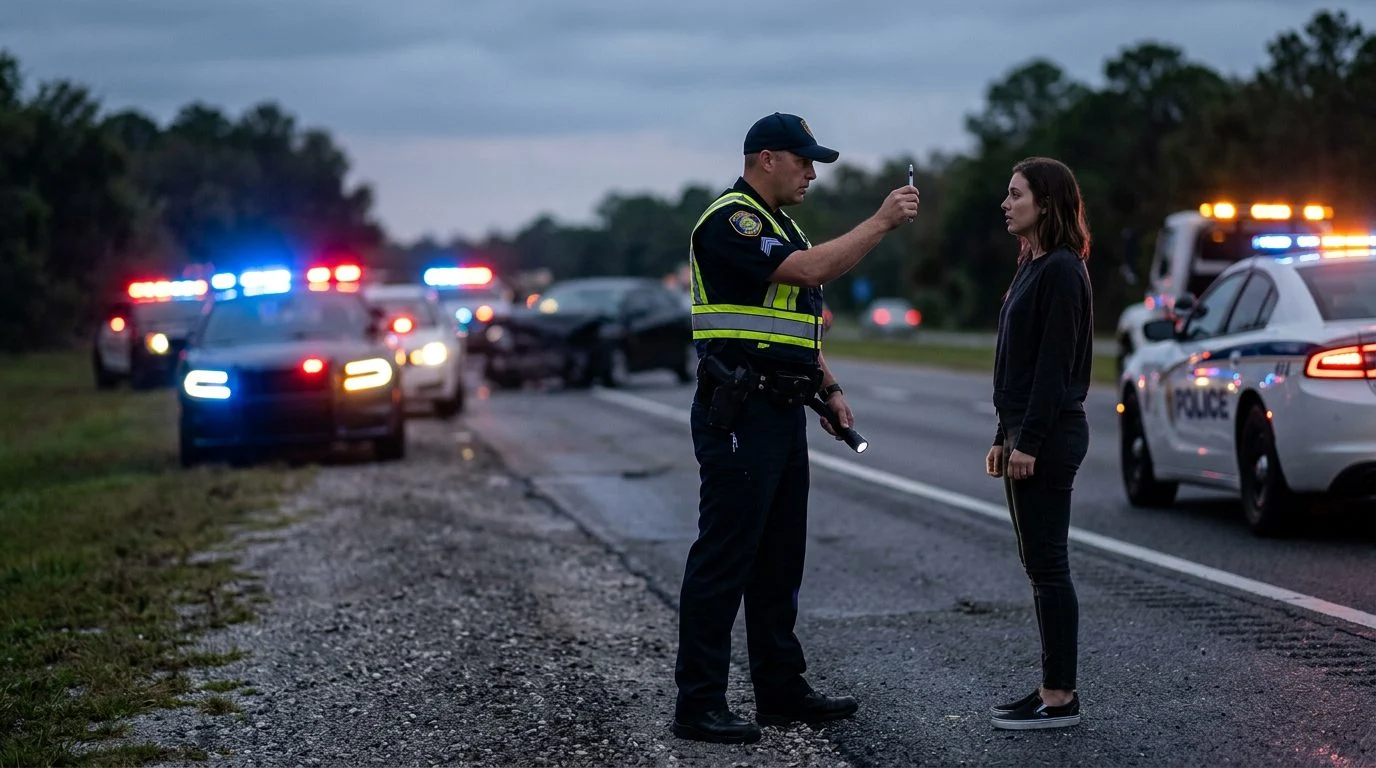
Blood is drawn after a car accident for one of two reasons. Hospital staff draw it to treat an injured person, and police may ask for it when they suspect a driver was impaired. Florida law treats these two paths differently, so it helps to know which one you’re facing.
Two Different Reasons Blood Gets Drawn After a Crash
Blood is drawn after a crash for medical care or for evidence. A medical draw helps doctors treat the patient. An evidence draw helps police check whether alcohol or drugs played a role.
The same needle can serve both goals. That’s why many people can’t tell which one they’re facing. A draw may happen in an ambulance, in an emergency room, or after a roadside or station-house request.
A medical sample can also reach police. Florida law lets a health care provider treating a person injured in a motor vehicle crash notify police when a treatment blood test shows alcohol at or above the level in s. 316.193(1)(b). Under Fla. Stat. § 316.1933, any such notice may be used only for the purpose of giving the law enforcement officer reasonable cause to request the withdrawal of a blood sample.
This page covers medical testing, police authority, timing, refusal, and warning signs.
If a blood sample from a recent crash has you or a family member worried, our team offers a free, confidential first consultation with no obligation to continue. You don't have to face it alone. Talk it through with our team — the first consultation is free, confidential, and carries no obligation.
Medical Blood Tests Ordered After a Collision
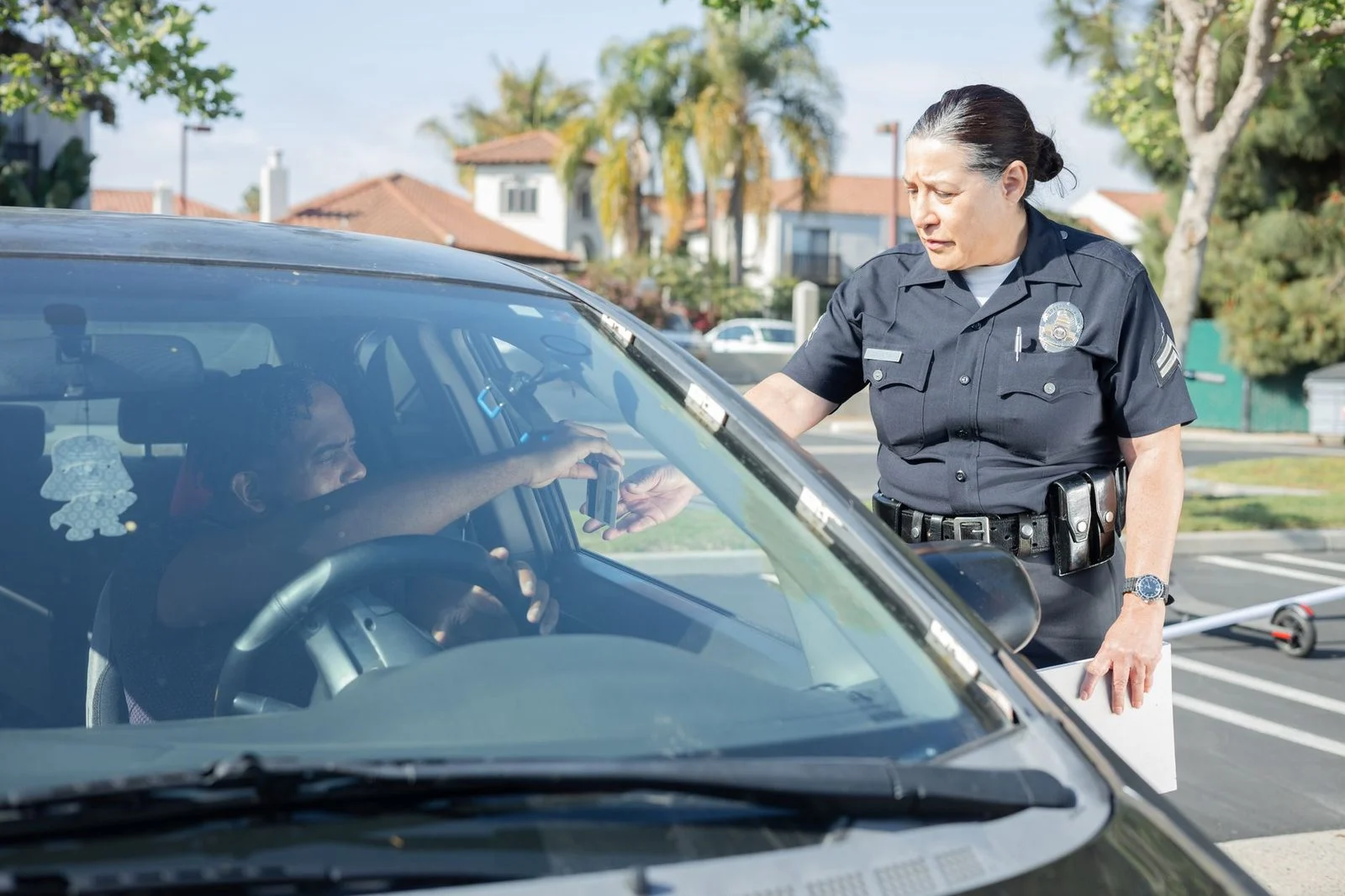
Hospital teams draw blood mainly to check a patient’s condition and plan treatment. The results go into the medical chart first.
The exact tests vary with each patient’s injuries and symptoms. Staff may order several kinds of blood work after serious trauma.
Medical blood can still matter later. Under Fla. Stat. § 316.1933, an officer’s failure to request a blood draw does not affect the admissibility of a test drawn for medical purposes. Fla. Stat. § 316.1933 reads: “Notwithstanding any provision of law pertaining to the confidentiality of hospital records or other medical records, if a health care provider, who is providing medical care in a health care facility to a person injured in a motor vehicle crash, becomes aware, as a result of any blood test performed in the course of that medical treatment, that the person’s blood-alcohol level meets or exceeds the blood-alcohol level specified in s. 316.193(1)(b), the health care provider may notify any law enforcement officer or law enforcement agency.” A sample taken only for treatment can still reach a criminal case.
If you’re researching a crash, know that the sample and the chart may exist long after the emergency room visit. For the broader framework of fatal and serious crash charges, read our vehicular homicide defense overview.
When Police Can Require a Blood Sample in Florida
One comes from implied consent at a hospital. The other applies after a death or serious injury.
Implied consent works like this. A driver is deemed to consent to an approved blood test when an officer has reasonable cause, the driver appears for treatment at a medical facility, and a breath or urine test is impractical or impossible. A person who is unconscious is not treated as having withdrawn that consent.
Mandatory testing works differently. Under Fla. Stat. § 316.1933, an officer with probable cause to believe an impaired driver caused death or serious bodily injury shall require a blood test. Fla. Stat. § 316.1933 reads: “If a law enforcement officer has probable cause to believe that a motor vehicle driven by or in the actual physical control of a person under the influence of alcoholic beverages, any chemical substances, or any controlled substances has caused the death or serious bodily injury of a human being.” The officer may use reasonable force if needed. The statute defines serious bodily injury as a physical condition that creates a substantial risk of death, serious personal disfigurement, or protracted loss or impairment of the function of any bodily member or organ.
Arrest authority at the scene is a separate question. Under Fla. Stat. § 316.645, an officer who investigates at the scene of a traffic crash may arrest any driver of a vehicle involved in the crash when, based upon personal investigation, the officer has reasonable and probable grounds to believe the driver committed any offense under the provisions of this chapter, chapter 320, or chapter 322 in connection with the crash.
A North Miami Police DUI procedure document describes blood or urine requests after serious-injury or fatal crashes. It shows how one South Florida agency frames these requests. Each case turns on the crash facts and what the officer observed.
Why Timing and Handling of the Sample Matter
The time of the draw and the handling of the sample are central questions in a blood test case. Florida law requires specific details to appear in the record.
A test affidavit is presumptive proof of the results of an authorized test if it discloses the type of test administered and the procedures followed, the time of collection, the numerical results, and the type and status of any permit issued by the Department of Law Enforcement that was held by the person who performed the test.
Testing must follow state methods. Under Fla. Stat. § 316.1933, a blood-alcohol analysis must have been performed substantially in accordance with methods approved by the Department of Law Enforcement and by an individual possessing a valid permit issued by the department for this purpose. Insubstantial differences in procedure do not, by themselves, make a test invalid. The FDLE Alcohol Testing Program oversees the analysts who run these tests.
Chain of custody is the paper trail showing who collected, stored, and moved the sample, and when. A gap or unclear step in that trail is something a defense lawyer reviews closely.
The numbers carry legal weight. Under § 316.1934, a blood-alcohol level of 0.05 or less presumes the person was not impaired to the extent that normal faculties were impaired. A level above 0.05 but below 0.08 creates no presumption either way.
Refusing a Blood Test and What It Can Trigger
Refusing a blood test can lead to a license suspension. The driver must be told the suspension is 1 year for a first refusal, or 18 months if the privilege was previously suspended as a result of a refusal to submit to such a test.
The license track runs on its own timeline. Under Fla. Stat. § 322.2615, an officer suspends the driving privilege of a person who refuses a urine, breath, or blood test. The officer issues a 10-day temporary permit if the person is otherwise eligible for the driving privilege. A request for review does not stay the suspension.
The criminal refusal misdemeanor is written differently. Under Fla. Stat. § 316.1939, that offense covers refusing a breath or urine test. The license case and the criminal case run separately, so a result in one does not decide the other.
Before you act, understand both tracks. For a closer look at the refusal decision, read our should I refuse a blood draw for DUI page. For how suspensions arise after serious crashes, see fatal crash suspended license charges.
Head Injury Warning Signs and Taking the Next Step
If anyone in the crash may be hurt, get emergency care now. Don’t wait to see whether symptoms settle on their own.
Call 911 or go to an emergency room right away if someone is confused, getting worse, or seems unusually drowsy. Medical care comes first, before any police or legal question.
Quick Answers
Why do they draw blood after a car accident?
Hospitals draw blood to treat injuries, and police may request it when they suspect impairment.
Can police take blood after a car accident in Florida?
Police can require it in some cases, such as when a crash causes death or serious bodily injury. Florida law sets those rules.
A hospital may notify police when a treatment test shows alcohol at or above the legal level for a person injured in a motor vehicle crash. That notice can give an officer reason to request a sample.
Is refusing a blood test a crime in Florida?
The criminal refusal misdemeanor is written for breath and urine tests. A blood refusal can still lead to a license suspension.
If a blood sample from a recent crash has you or a family member worried, our team at Patrick Wilson Law offers a free, confidential first consultation with no obligation to continue. Call 786-761-1719 or leave us a message on our contact page. We serve clients across South Florida, from Broward County to the Florida Keys.
This page is the responsibility of Patrick David Wilson at Patrick Wilson Law, PLLC, in Miami, Florida.
How Our Team Approaches Blood Test Cases
Defense Focused on DUI and Crash Cases
Patrick Wilson Law focuses on DUI defense, vehicular homicide defense and leaving the scene of an accident cases, where blood test results often carry significant weight.
Review of the Testing Process
Our attorneys look at how the blood sample was requested, collected, stored and tested, because each step can affect how the evidence is used.
Support for First-Time Offenders
We understand how stressful a first arrest or crash investigation can be, and we work to explain each step in plain language.
Confidential Free Consultation
Your first consultation is free, confidential and comes with no obligation to continue.
Talk to a Lawyer Before You Answer Detailed Questions
Whether a blood draw happened at a hospital, at the request of police or with your consent can change how a case is handled. Do not guess at the answer or make detailed statements about the crash until you have spoken with a lawyer.
Common Questions About Blood Tests After a Crash
Why Hospitals Draw Blood
Hospitals draw blood to diagnose and treat injuries. That medical sample can later become part of a criminal investigation, so it is worth understanding how it may be used.
When Police May Ask for a Blood Test
Police may request a blood test when they suspect impairment or when a crash involves serious injury or death. The circumstances matter, and the details of each case should be reviewed.
Why the Results Matter
Blood test results are often central to DUI and vehicular homicide cases. Questions about collection, handling and lab procedures can be important to the defense.
What to Do Next
Write down what you remember, avoid discussing the crash on social media, and contact a lawyer as soon as you can. Patrick Wilson Law offers a free, confidential consultation to discuss your situation.
Facing Questions About a Blood Test After a Crash? Talk to Patrick Wilson Law
Related practice areas
- Fatal Crash Criminal Charges in Miami: How Patrick Wilson Law Defends Vehicular Homicide Cases
- Miami Crash Reporting Lawyer: Florida’s Real Deadlines

