
Vehicular Homicide Defense | Miami-Dade County
Facing a Vehicular Homicide Charge in Miami-Dade? Know Who Makes the Decisions
Patrick Wilson Law, PLLC focuses on criminal defense in Miami and across South Florida. Learn how a vehicular homicide case moves from the crash scene to the courtroom, and what your options look like.
By Patrick David Wilson · Published October 22, 2026
The Short Answer: The State Attorney Makes the Charging Decision
Police and crash investigators gather the facts and make recommendations. So, who decides a vehicular homicide charge in Miami-Dade? The prosecutor does. An arrest and a formal charge are two separate steps, and many families don’t know that.
Vehicular homicide means killing a human being, or an unborn child by any injury to the mother, caused by the operation of a motor vehicle by another in a reckless manner likely to cause death or great bodily harm to another. The offense is defined in Fla. Stat. § 782.071. In its basic form, it is a second-degree felony. This page explains who makes each decision, in what order, and where the defense enters.
If a fatal crash in Miami-Dade has led to an investigation or an arrest, you don't have to sort out the next steps alone, so reach out to Patrick Wilson Law to talk it through. Talk it through with our team — the first consultation is free, confidential, and carries no obligation.
How the Crash Investigation Starts
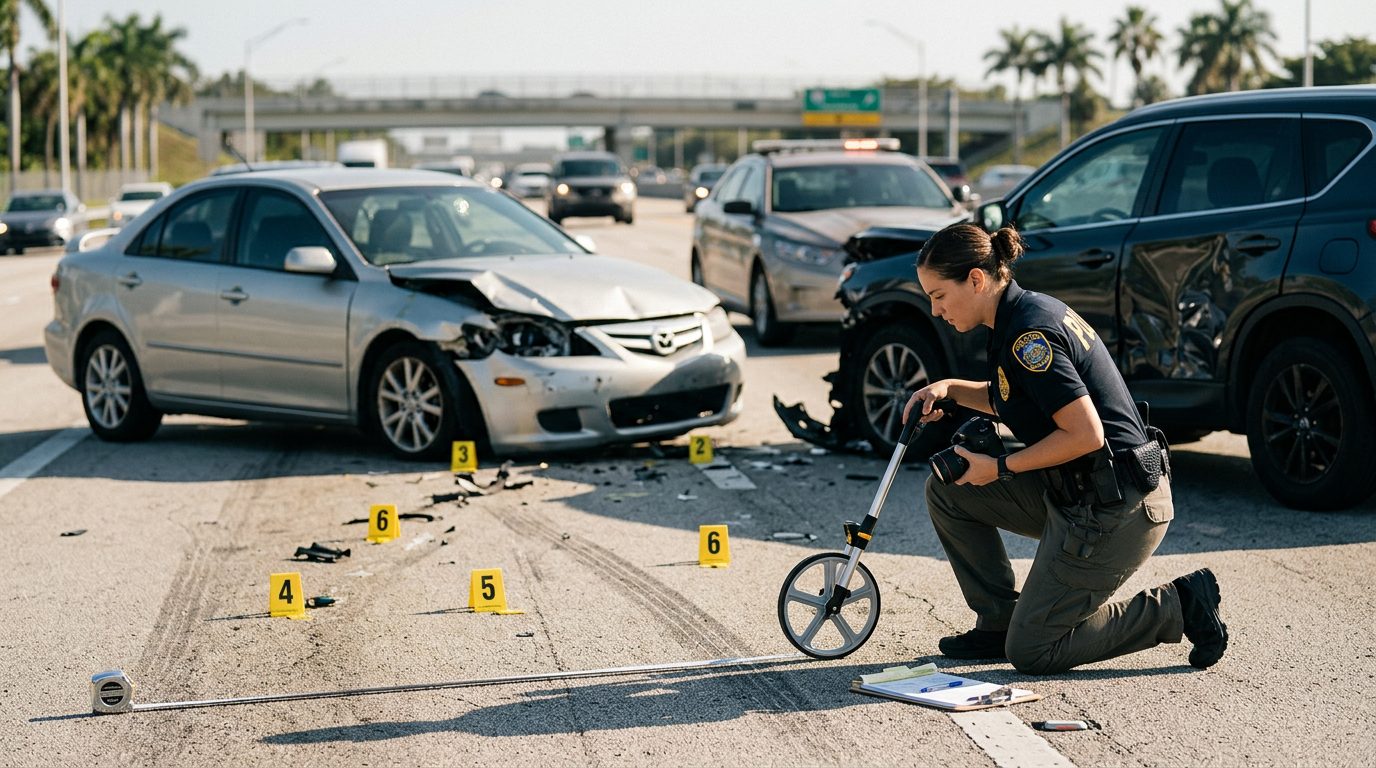
Investigators build the first record of a crash. The responding agency, which may be a city police department or the Florida Highway Patrol depending on where the crash happened, documents the scene. Officers record vehicle positions, witness accounts, and any signs of impairment.
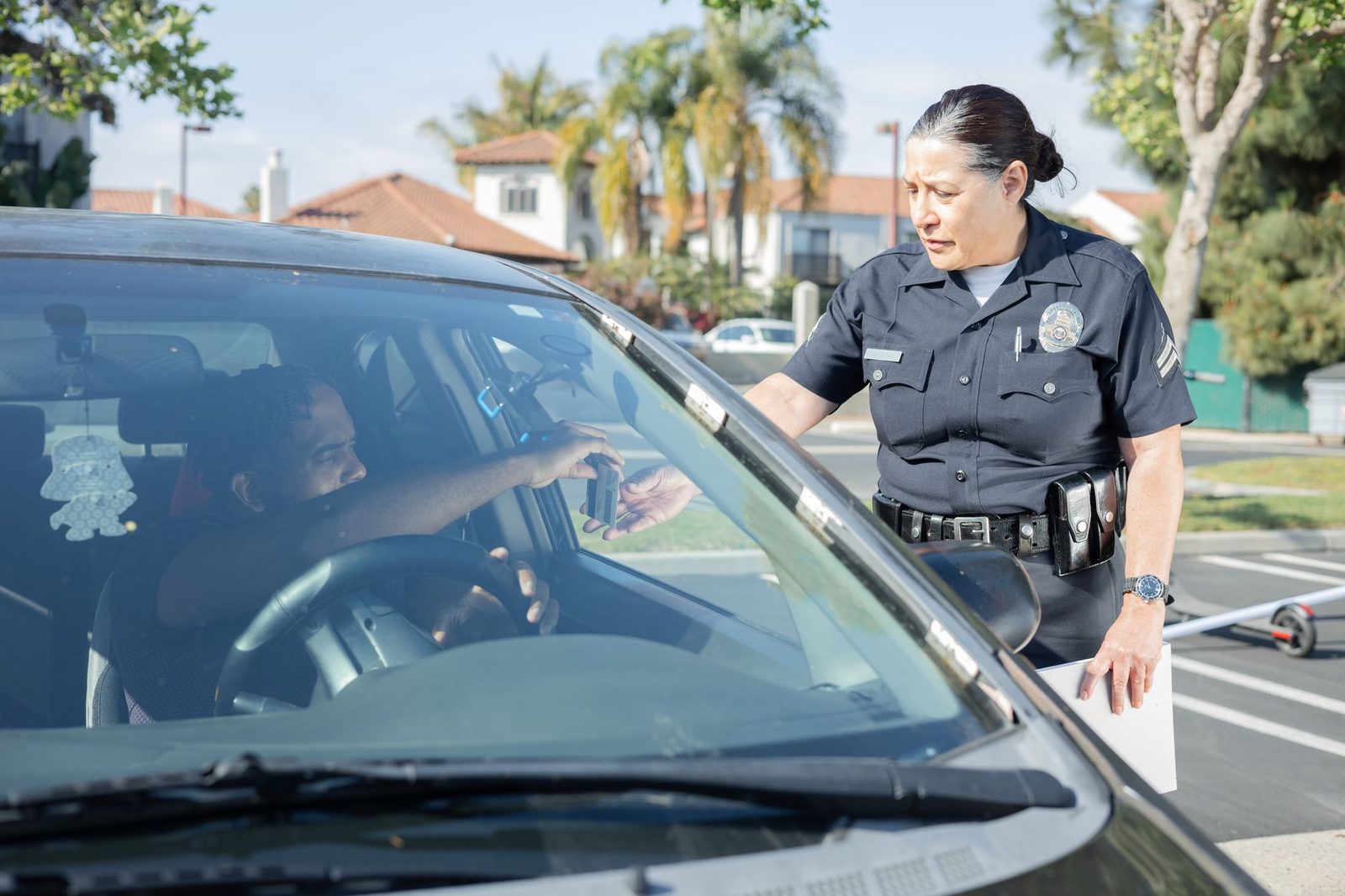
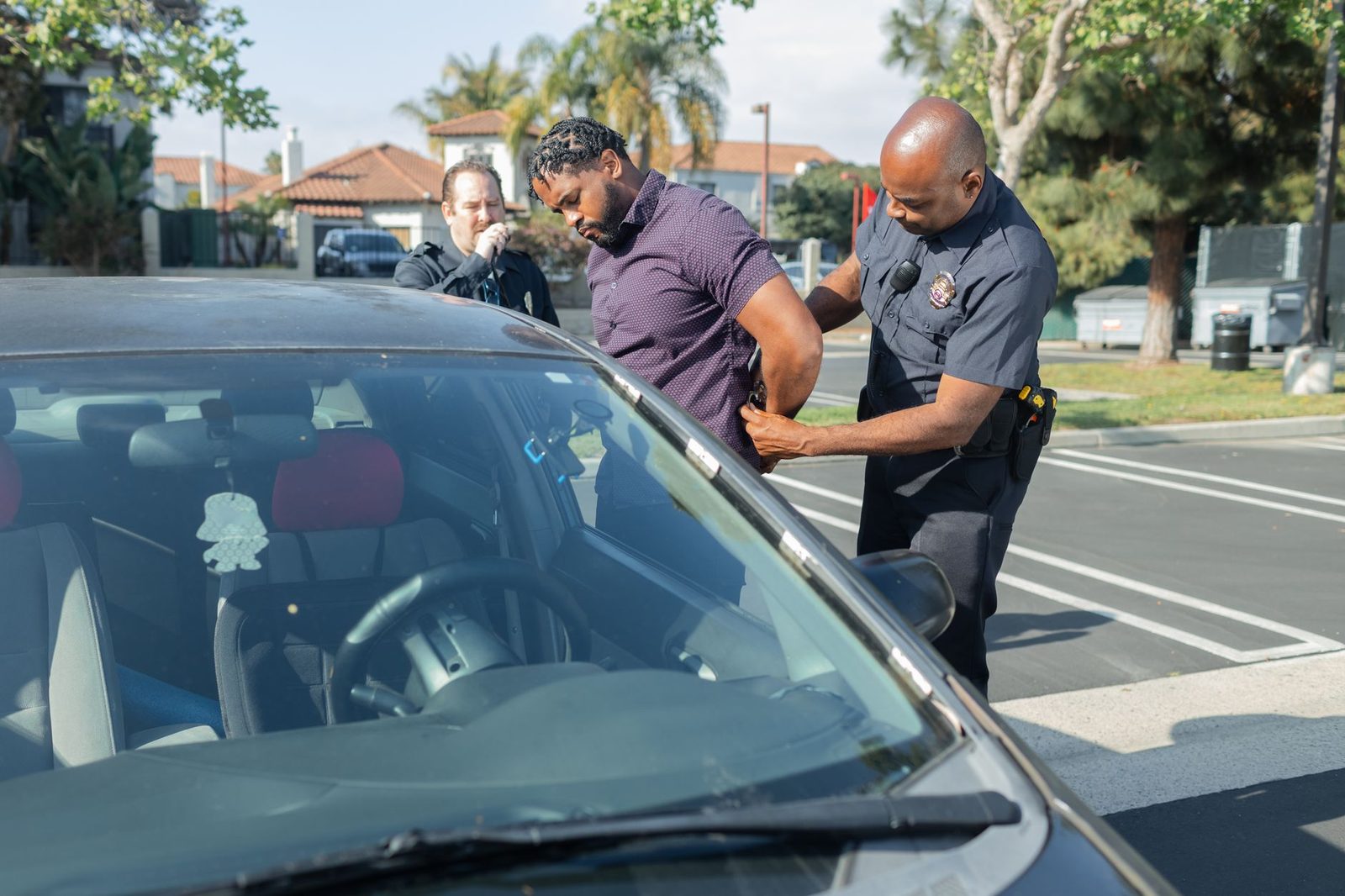
An officer can arrest a driver at the scene. Fla. Stat. § 901.15 also allows a warrantless arrest when a traffic violation happens in the officer’s presence.
That report is an input to the prosecutor’s review. It is not the final word. The arrest decision belongs to the officer on the scene. The charging decision comes later, and it belongs to the prosecutor.
The Medical Examiner’s Role in Establishing Cause of Death
The medical examiner’s findings on cause of death are a central part of any fatal crash file. The prosecutor must link the death to the driver’s operation of the vehicle. That link is one element of the offense in § 782.071.
A police crash report describes the crash. It does not, by itself, establish how the person died. Medical findings add that proof.
Families often assume the crash answers the cause-of-death question on its own. It doesn’t. The file has to show how the death happened and what caused it. That’s why medical records and crash evidence are reviewed side by side. The defense reviews the same medical material. It checks whether the file supports the link the State claims.
How the State Attorney’s Office Reviews the File
Florida’s rules say an information must state that the appropriate prosecuting attorney makes the charge, under Rule 3.140. Sworn complaints go to the clerk of the circuit court and then to the state attorney, under Rule 3.115.
The review asks whether the evidence supports each part of vehicular homicide. That includes reckless operation likely to cause death or great bodily harm. It also asks which degree applies. Under § 782.071(1)(b), the offense is a first-degree felony if the driver knew or should have known the accident occurred and did not give information and render aid. A prior conviction under listed statutes can also raise the offense to first-degree, under § 782.071(1)(c).
Leaving the scene carries its own risk.
A review takes time. The crash alone does not show what the file will contain. No one can predict the charging decision from the crash facts alone.
Information or Grand Jury: How Charges Are Formally Filed
Under Fla. R. Crim. P. 3.140, in circuit and county courts prosecution “shall be solely by indictment or information,” except that county-court cases for violations of municipal ordinances and metropolitan county ordinances may proceed by affidavit or docket entries, and misdemeanor, municipal ordinance, and county ordinance cases may proceed by notice to appear. The prosecutor can file an information, or a grand jury can return an indictment. Rule 3.140 says a grand jury may indict for any offense.
Probable cause is the threshold. Rule 3.133 says the judge applies the standard used for issuing an arrest warrant. In plain words, probable cause means a reasonable basis to believe a crime was committed and the person committed it.
Timing rules matter. Rule 3.134 says the state must file formal charges within 30 days after arrest for a person in custody. Under Rule 3.133, a person facing a felony who is not charged within 21 days has a right to an adversary preliminary hearing.
The defense enters early. If the defendant has retained counsel, the judge must allow a reasonable time to send for that lawyer. At arraignment, Rule 3.160 lets counsel file a written plea of not guilty at or before arraignment.
Evidence That Shapes the Decision
The evidence in the file drives the review more than any single fact. Video from a nearby business or a dashcam may show speed, lane position, and signal timing. Phone records may show what was happening in the vehicle at the time. These items can matter to both sides of the case.
If charges are filed, the defense can ask for more detail. Under Rule 3.140, when the indictment or information fails to inform the defendant of the particulars of the offense sufficiently to enable the defendant to prepare a defense, the court, on motion, orders the prosecutor to furnish a statement of particulars. That statement specifies, as definitely as possible, the place, date, and other material facts of the crime charged that are specifically requested and are known to the prosecuting attorney.
Family members should keep what they already hold. That includes photos, video, and vehicle information. Keep the original files, not edited copies, so the record stays complete.
Not sure what your next step is?
Talk it through with our team — the first consultation is free, confidential, and carries no obligation.
Talk Through Your Situation With Patrick Wilson Law
If a fatal crash in Miami-Dade has led to an investigation, a notice of possible charges, or an arrest, the next steps can move quickly. Under Rule 3.130, a person who is arrested must see a judge within 24 hours, except when previously released in a lawful manner.
Can a driver be arrested at the scene?
Yes.
Is vehicular homicide always a first-degree felony?
No. The basic offense is a second-degree felony. The first-degree level applies in the specific cases listed in § 782.071.
Patrick David Wilson is the responsible lawyer for this page at Patrick Wilson Law, PLLC, based in Miami. The firm focuses on criminal defense across South Florida, including vehicular homicide cases. If a crash in your family has reached this stage, you can schedule a free consultation, call 786-761-1719, or leave a message. The first consultation is free, confidential, and carries no obligation to continue (Spanish: consulta inicial gratuita, confidencial y sin compromiso).
How We Approach Your Case
Careful Case Review
We review the police report, crash evidence and any charging documents to understand exactly what is being alleged.
Protecting Your Rights
From the first contact with investigators to court appearances, we work to protect your rights at every stage.
Clear Communication
We explain each step in plain language so you know what is happening and what comes next.
Support for Families
A vehicular homicide charge affects the whole family. Our team keeps you informed and treats your situation with care.
Talk to a Lawyer Before You Speak to Investigators
Statements made at the scene or afterward can become part of the case. Before you answer questions from police or prosecutors about a crash, speak with a criminal defense lawyer.
Who Is Involved in a Vehicular Homicide Case
Law Enforcement
Officers and crash investigators document the scene, collect evidence and prepare reports.
The State Attorney's Office
Prosecutors review the case file and decide how the matter moves forward in the criminal court system.
The Court
Judges oversee hearings, rulings and every stage of the case from arraignment through trial.
Your Defense Lawyer
Your lawyer examines the evidence, challenges the state's case where appropriate, and speaks for you at every stage.

