
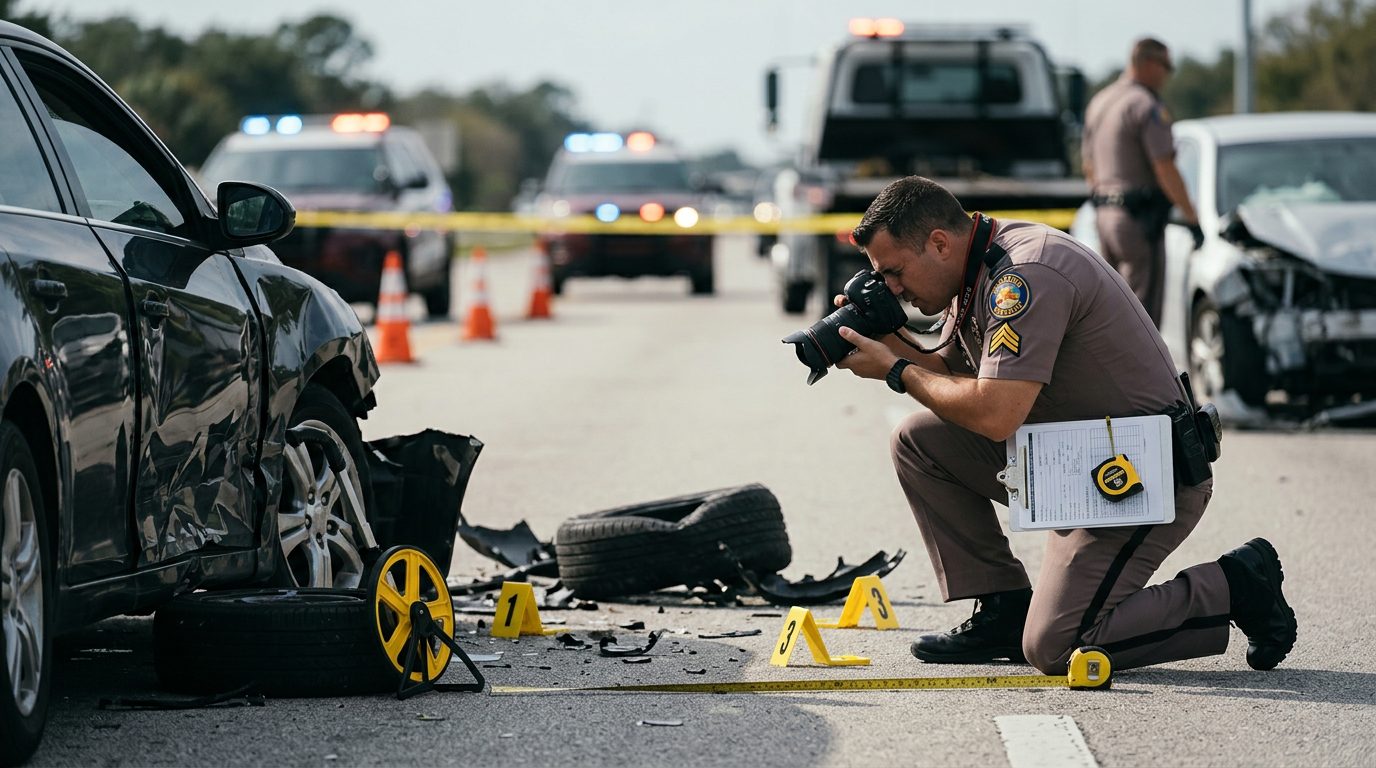
Vehicular Homicide Defense · Miami, Florida
Facing a Vehicular Homicide Charge in Florida? Start With a Criminal Defense Team That Listens
Patrick Wilson Law focuses on criminal defense across South Florida, from Broward County to the Keys. Patrick David Wilson is the responsible lawyer for this page. Your first consultation is free, confidential and comes with no obligation to continue.
By Patrick David Wilson · Published October 21, 2026
Short Answer: Two Separate Cases That Can Affect Each Other
A wrongful death lawsuit does not decide a vehicular homicide charge, and a criminal case does not decide a civil claim. The state brings the criminal case. The two can still affect each other through evidence, sworn testimony, and timing.
This page answers a common question in wrongful death lawsuit vehicular homicide Florida matters: does one case affect the other? Some readers are grieving relatives. Others are the family of a driver facing a charge while a civil claim may follow. Under Fla. Stat. § 782.071, a right of action for civil damages exists under s. 768.19, under all circumstances, for all deaths described in that section. You’ll see how they connect below.
If a crash death or a vehicular homicide charge has your family caught between two cases, you don't have to sort it out alone. Call Patrick Wilson Law at 786-761-1719. Talk it through with our team — the first consultation is free, confidential, and carries no obligation.
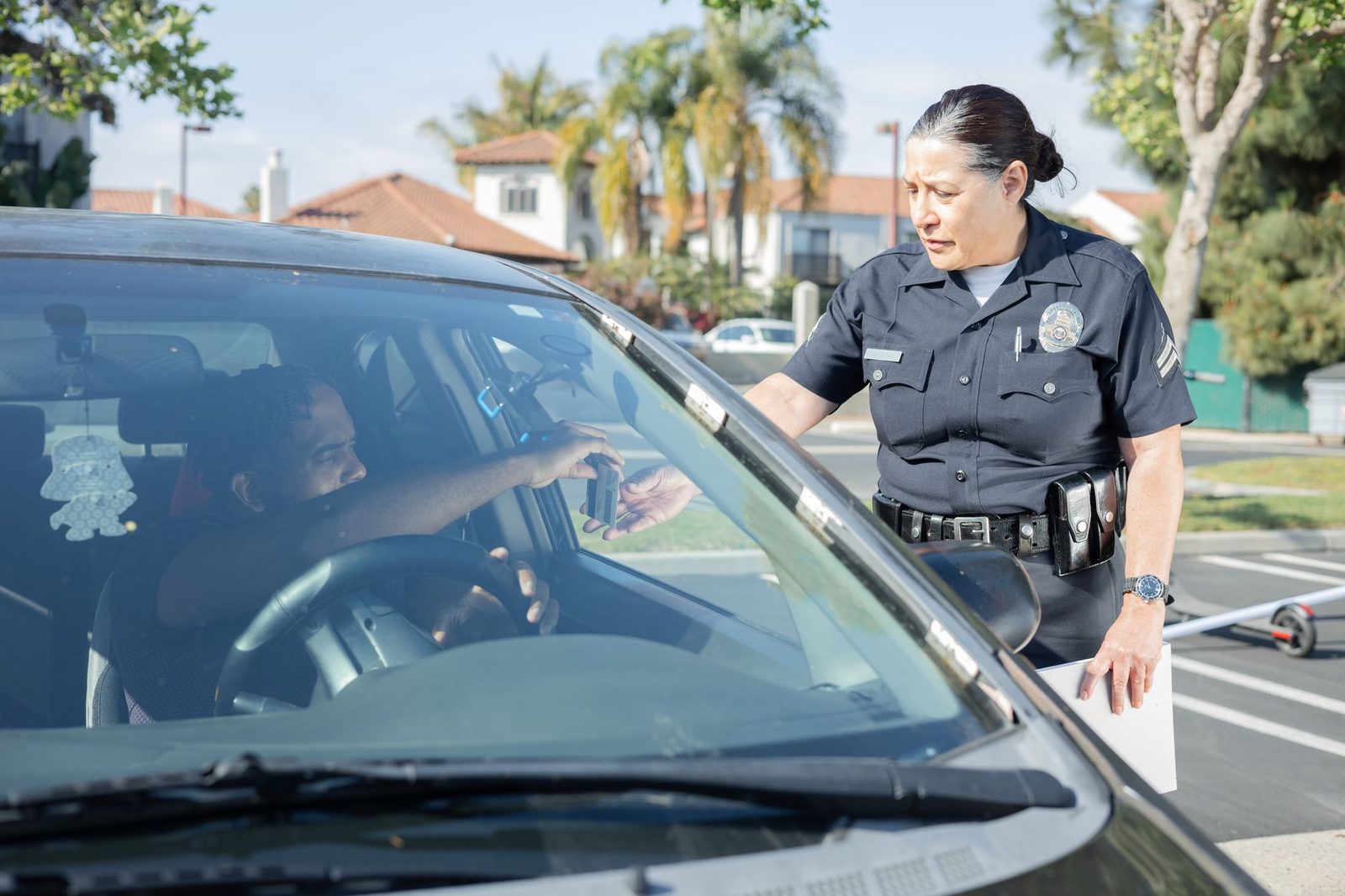
Wrongful Death in Florida: What the Law Covers
A wrongful death case is a civil lawsuit for money damages. It is not a criminal case, and it does not lead to a criminal sentence. The word “wrongful” refers to another person’s fault, not a criminal finding.
Negligence means failing to use the care a careful person would use in the same situation. Whether a claim works turns on the facts of the crash.
A fatal crash can support a civil claim even when no criminal charge is filed. Those are two separate questions, and each one is decided on its own record.
Who Can Sue for Wrongful Death in Florida
That person is often called the personal representative, meaning the one who acts for the estate in court.
These rules are technical, and they apply to each family’s facts. Don’t assume every relative has the same claim or the same share.
Getting a personal representative in place takes court steps. Who files matters, so ask early who should act. Starting those steps soon helps families keep up with the timing that matters in the civil case.
Vehicular Homicide Charges and the Florida Penalty
Vehicular homicide is a second-degree felony in its base form under Florida law. Felonies are the more serious class of crime in the state’s system. Vehicular homicide, as Fla. Stat. § 782.071 defines it, is the killing of a human being, or the killing of an unborn child by any injury to the mother, caused by the operation of a motor vehicle by another in a reckless manner likely to cause the death of, or great bodily harm to, another.
The statute raises the offense to a first-degree felony in certain situations, including when the person knew, or should have known, that the accident occurred and failed to give information and render aid as required by s. 316.062, or when the person has a prior conviction under this section or one of the other provisions the statute lists. The first is when the driver knew or should have known the accident occurred and did not give information and render aid. The second is when the person has a prior conviction under listed statutes.
Fines for a second-degree felony cannot exceed $10,000 under Fla. Stat. § 775.083, unless a higher amount equals double the pecuniary gain derived from the offense by the offender or double the pecuniary loss suffered by the victim, or a higher amount is specifically authorized by statute. Prison terms follow the general felony sentencing rules in Fla. Stat. § 775.082: up to 15 years for a second-degree felony, and up to 30 years for a first-degree felony, or, when specifically provided by statute, a term of years up to life imprisonment. The court may also order 120 hours of community service at a trauma center or hospital, in addition to other punishment.
They are separate from any civil damages a family may seek. For the full criminal process, see our vehicular homicide defense page.
Different Standards of Proof and Different Goals
A criminal case and a wrongful death lawsuit ask different questions, so they follow different rules. In a criminal case, the state brings the charge, and the goal is punishment set by a court after a conviction. In a wrongful death case, the family seeks money damages.
The level of proof is also different. That difference shapes what each side must show and how each case is argued.
Florida’s vehicular homicide statute says a civil right of action exists for these deaths under all circumstances. A dismissal or not-guilty result in the criminal case does not, by itself, end a civil claim.
Courts may also set the two cases on different schedules. Each court manages its own calendar. Families should ask about both tracks early, not after one case has already moved forward.
How Evidence, Testimony, and Timing Cross Between the Cases
In any wrongful death lawsuit vehicular homicide Florida matter, the same crash evidence can appear in both cases. What someone says in one case can also matter in the other. Three kinds of evidence come up most often.
Crash reports are the first. Under Fla. Stat. § 316.066, a Florida Traffic Crash Report, Long Form, must be completed and submitted to the department within 10 days after the law enforcement officer completes an investigation of a crash that resulted in death of, personal injury to, or any indication of complaints of pain or discomfort by any of the parties or passengers involved in the crash, or that involved a commercial motor vehicle. That applies to a crash involving death or injury. Under Fla. Stat. § 316.066, crash reports held by the agency may be made immediately available to the parties involved in the crash and their legal representatives, but not for redistribution to any person or entity not listed in the statute, and reports may also be made available 60 days after the date they are filed to persons eligible under the statute.
Blood tests are the second. Fla. Stat. § 316.1933 says that when an officer has probable cause to believe an impaired driver caused a death or serious bodily injury, the officer shall require a blood test. The officer may use reasonable force if needed.
Testimony is the third. In a civil case, parties may be asked to give sworn statements, and those statements can matter in the criminal case. A person facing criminal charges has rights that can limit testimony. Using those rights carries consequences, so the choice should be reviewed with a lawyer before any statement is given.
Timing ties these pieces together. Under the same statute, a criminal charge resulting from the incident that gave rise to the officer’s demand for a blood test is tried together with any violation arising out of the same incident, unless the court decides to try them separately.
Not sure what your next step is?
Talk it through with our team — the first consultation is free, confidential, and carries no obligation.
Comparative Negligence and Florida Fault Rules
Florida divides fault by percentage. A person’s own share of blame can shape what a family recovers.
Florida’s comparative fault statute, Fla. Stat. § 768.81, sets how damages are divided among those at fault. Speeding is a common point of argument. The Insurance Institute for Highway Safety states that speeding contributes to crash deaths. Higher speeds also raise both crash risk and how badly people are hurt.
Fault is a factual question. A judge or jury decides it based on the evidence in the record. Families should not assume how fault will be split before the facts are known.
Filing Deadlines for a Florida Wrongful Death Claim
Florida’s limitations rules are in Fla. Stat. § 95.11, which sets time limits for filing many kinds of civil actions.
Deadlines are measured from specific dates. Write down the date of the crash and the date of death now. Keep the crash report, medical papers, and any insurance letters in one folder.
A lawyer can check those dates against the rules that apply to your facts. Waiting for the criminal case to end before asking about the civil deadline is a common mistake. Ask early.
Damages Recoverable in a Florida Wrongful Death Claim
Families may seek money for losses the death caused. Those losses can include money the family no longer receives and costs tied to the death.
Which losses apply, and what they are worth, depends on the family relationship, the deceased person’s circumstances, and any insurance involved. No one can predict an amount from general information. Each claim is reviewed on its own record.
Insurance and judgments also matter outside the courtroom. Consequences can extend beyond the case itself.
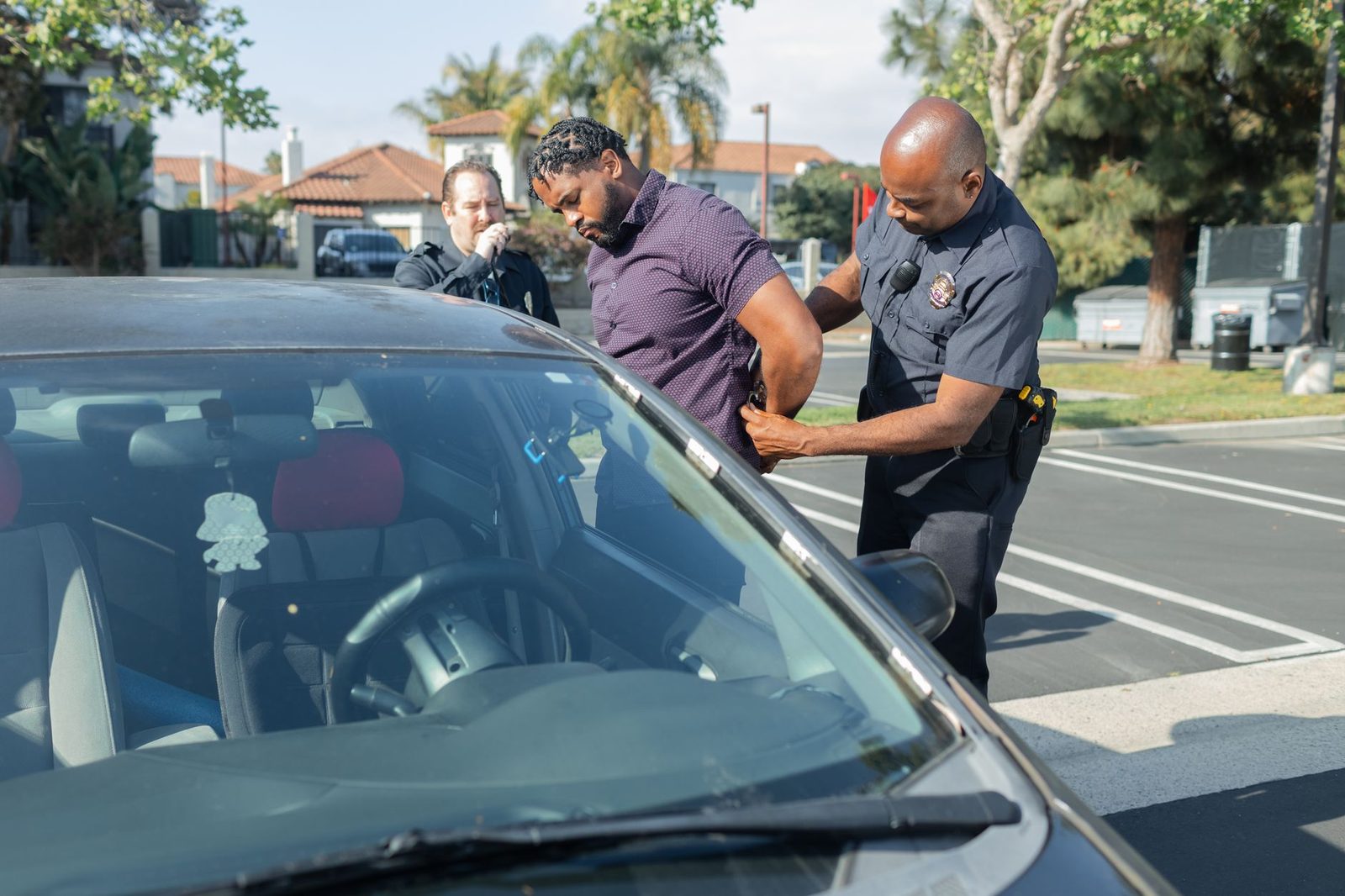
Talk With Patrick Wilson Law About Your Criminal Case
Facing a crash death or a vehicular homicide charge means facing two cases at once. Many families are still grieving or still in shock when the questions start. You don’t have to sort out the criminal and civil tracks by yourself.
Patrick Wilson Law, PLLC is a Miami criminal defense firm. It defends people across South Florida, from Broward County to the Keys, including people facing vehicular homicide and DUI charges. Patrick David Wilson is the responsible lawyer for this page, and our lawyers and team handle these matters. If a matter is referred to another lawyer or firm, we will say so.
Frequently asked questions
Here are quick answers to common wrongful death lawsuit vehicular homicide Florida questions.
Is a wrongful death lawsuit a criminal case?
No. It is a civil case for money damages, separate from any criminal charge.
Is vehicular homicide a felony in Florida?
Yes. Vehicular homicide is a second-degree felony in its base form and a first-degree felony in some situations.
Can a family sue if no one is charged?
Florida’s vehicular homicide statute says a civil right of action exists for these deaths under all circumstances. A criminal charge is not the only path.
If you’re weighing a criminal charge and a possible lawsuit at the same time, call 786-761-1719 for a free, confidential initial consultation, with no obligation to continue. You can also leave a message through Contact Patrick Wilson Law.
How Our Firm Approaches a Crash Case
Attorneys who listen
Our lawyers and staff take time to understand the facts, your record, and what a conviction could mean for your job, your license, or your immigration status.
Serving South Florida
We represent clients in Miami-Dade, Broward County, Fort Lauderdale, Hialeah, Homestead, Miami Beach, Kendall and the Florida Keys.
Early, careful planning
Prompt contact gives us the best opportunity to gather information and begin building your defense while the details are still fresh.
Important: A Criminal Case and a Civil Lawsuit Are Separate
A vehicular homicide prosecution is a criminal case brought by the State. A wrongful death lawsuit is a civil claim for money damages, brought by the family. Patrick Wilson Law focuses on criminal defense. If a civil wrongful death claim is part of your matter, our firm may refer that part to another lawyer or firm.
Common Questions About These Cases
Criminal case vs. civil lawsuit
A criminal charge can lead to penalties set by the court. A wrongful death lawsuit seeks compensation.
Charges that can follow a crash
Depending on the facts, a fatal crash may lead to charges such as vehicular homicide, DUI manslaughter or leaving the scene. Each charge requires its own careful review.
When the driver is a licensed professional
A criminal charge can affect a professional license. We help licensed professionals understand how a case may touch their career and plan accordingly.
When the driver is not a U.S. citizen
We review those risks with non-citizen clients before decisions are made about their case.

