

Vehicular Homicide Defense | Miami-Dade and Broward
Facing a Vehicular Homicide Charge? Learn How a Downward Departure Works
Patrick Wilson Law, PLLC focuses on criminal defense across South Florida, from Broward County to the Keys. Here is a plain-language guide to downward departure sentencing and the questions to raise early.
By Patrick David Wilson · Published October 28, 2026
Short answer: can a vehicular homicide sentence be lowered in Florida?
Yes, a Florida vehicular homicide sentence can sometimes come in below the usual range. The two main tools are a downward departure, which is a sentence below the scoresheet floor for a legal reason, and mitigation, which is the case for a lower sentence made at sentencing and during plea talks.
No lawyer can promise a lower sentence. The judge decides based on the law and the record in each case.
Patrick Wilson Law, PLLC focuses on criminal defense across South Florida. Patrick David Wilson is the responsible lawyer for this page.
If a crash has left you or someone you love facing a charge and a sentencing date, you don't have to work through the options alone. Our team can talk through your facts with you. Talk it through with our team — the first consultation is free, confidential, and carries no obligation.
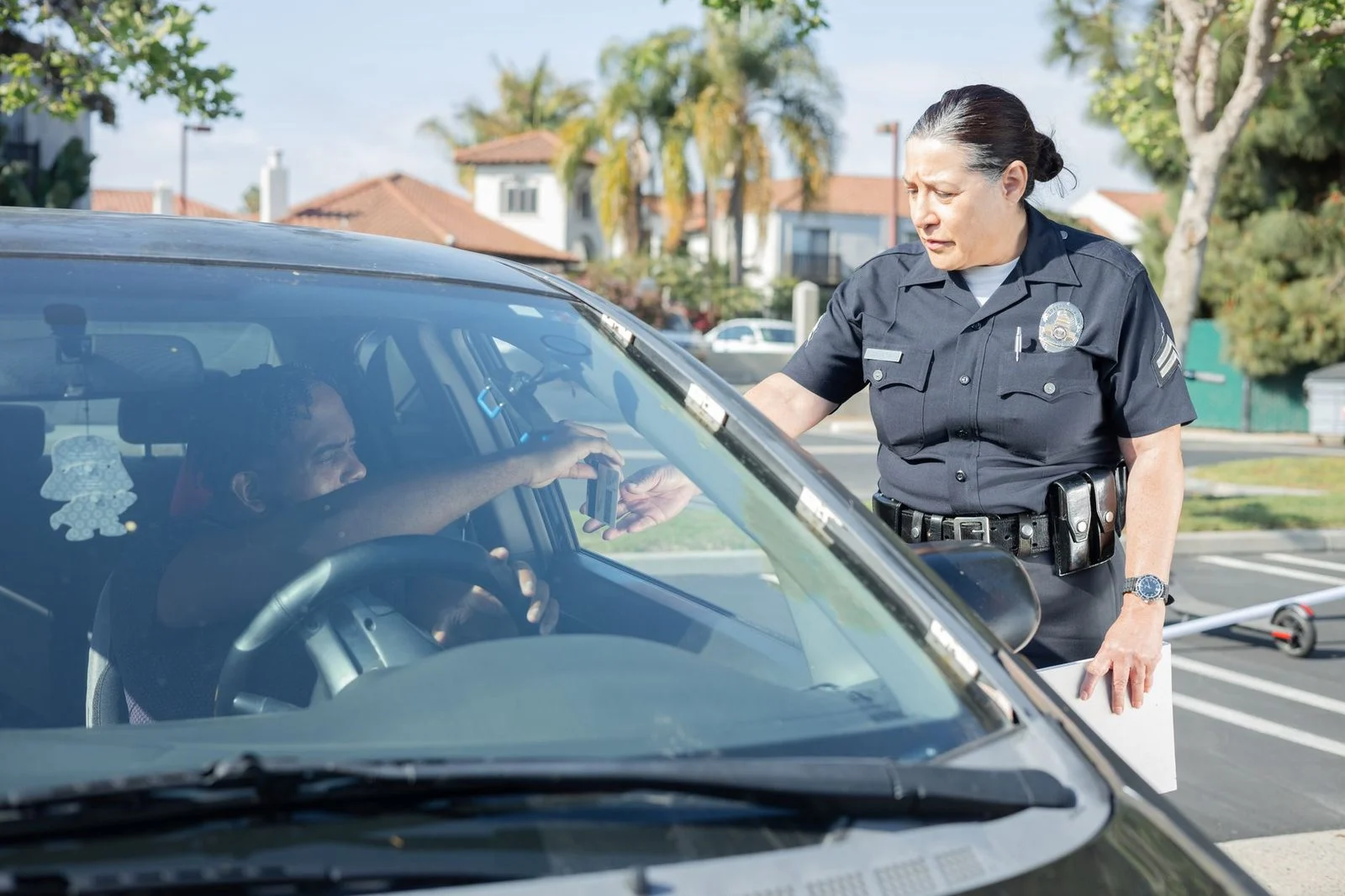
What Florida law says about vehicular homicide and its penalties
Vehicular homicide is usually a second-degree felony in Florida. Florida’s vehicular homicide statute defines it as killing a human being, or an unborn child by any injury to the mother, by operating a motor vehicle in a reckless manner likely to cause death or great bodily harm.
One of these circumstances applies when the driver was aware, or reasonably should have been aware, that a collision occurred but failed to stop, provide the required information and offer aid. Under § 782.071(1)(b), Florida Statutes, this raises vehicular homicide from a second-degree felony to a first-degree felony, which significantly increases the potential penalties. The second is when the driver has a prior conviction for vehicular homicide, DUI manslaughter, boating under the influence manslaughter, or vessel homicide.
Penalties come from the general felony statutes, and the court may also order 120 community service hours in a trauma center or hospital. § 775.082 covers prison terms. § 775.083 sets the fine limit for a second-degree felony at $10,000, unless a higher amount applies, such as double the pecuniary gain derived from the offense or double the pecuniary loss suffered by the victim, or a statute specifically authorizes more. For the full charge overview, read our vehicular homicide defense page.
How much jail time is possible for vehicular homicide in Florida?
The statutory maximum is the longest sentence the law allows. It is not the sentence most people receive. A scoresheet sets the range a judge can use. Under § 921.0024, that range runs from the lowest permissible sentence up to the statutory maximum.
The scoresheet works in points. If total points are 44 or fewer, the lowest permissible sentence is a non-prison sanction, unless the court determines within its discretion that a prison sentence, which may be up to the statutory maximums for the offenses committed, is appropriate. If points go above 44, the prison floor comes from subtracting 28 points and cutting what remains by 25 percent. For example, 64 points leave 36 after subtracting 28. A 25 percent cut brings that to 27 months. This is only an illustration of the math, not a prediction for any case.
The state attorney prepares the scoresheet. Defense counsel gets it to check for accuracy, unless the judge directs otherwise. A wrong point total can move the floor, so this review matters.
What a downward departure is under Florida’s sentencing guidelines
A downward departure is a sentence below the lowest permissible sentence. § 921.0026 prohibits one unless circumstances or factors reasonably justify it. The statute applies to any felony except a capital felony committed on or after October 1, 1998.
The judge decides whether to depart. The trial judge holds ultimate responsibility for the sentence, as Fla. R. Crim. P. 3.171 explains. A mitigating factor opens the door. It does not force a lower sentence.
A sentence below the lowest permissible sentence is subject to appellate review. The extent of the departure is not. A higher court can ask whether the reasons were justified. It cannot review how far below the range the judge went.
Mitigating circumstances courts consider in fatal crash cases
Mitigating circumstances are reasons that can justify a lower sentence. § 921.0026 lists several examples and says the list is not limited to them. Examples that can fit a crash case include:
- A legitimate, uncoerced plea bargain.
- A need to pay restitution to the victim that outweighs the need for prison.
- The victim started, willingly joined, or provoked the incident.
- The defendant cooperated with the state to resolve the offense.
- The defendant was too young to appreciate the consequences of the offense.
- The defendant’s capacity to appreciate the criminal nature of the conduct was substantially impaired.
Which factors apply depends on the facts of the crash, the defendant’s record, and how the case was resolved.
Intoxication is a hard limit. Under the same statute, a defendant’s substance abuse or addiction, including intoxication at the time of the offense, is not a mitigating factor. The only exception is a drug-court provision for certain nonviolent felonies. Where alcohol is involved, this rule shapes the whole plan.
The court hears “submissions and evidence by the parties that are relevant to the sentence,” under Fla. R. Crim. P. 3.720. That is where mitigation gets argued.
Documentation and evidence that supports mitigation
Records turn a mitigation argument into something a judge can weigh. The file should show the reasons, not just state them. Useful records often include proof of work and schooling, proof of family responsibilities, treatment records where the defendant is in care, and letters from people who know the defendant well.
Plea agreements need careful handling. Defense counsel must advise the client of all plea offers and the likely results of each plea, under Fla. R. Crim. P. 3.171. Counsel cannot conclude a plea without the client’s full consent. Before accepting a plea, the judge must state the maximum penalty and any mandatory minimum, under Fla. R. Crim. P. 3.172.
Restitution is a separate sentencing issue. Under § 775.089, the court must order restitution for damage or loss caused directly or indirectly by the offense. When an offense resulted in bodily injury that also resulted in the death of a victim, Fla. Stat. § 775.089 provides that the restitution order shall require the defendant to pay an amount equal to the cost of necessary funeral and related services. A common mistake is treating restitution as automatic leniency.
Not sure what your next step is?
Talk it through with our team — the first consultation is free, confidential, and carries no obligation.
How DUI manslaughter and vehicular homicide compare at sentencing
The sentencing rules above reach DUI manslaughter too, but a person convicted of DUI manslaughter under § 316.193 shall be sentenced to a mandatory minimum term of imprisonment of 4 years. § 921.0026 applies to any felony except a capital felony. Fla. Stat. § 921.0026 reads: “This section applies to any felony offense, except any capital felony, committed on or after October 1, 1998.” DUI manslaughter is found in the DUI statute, § 316.193. The vehicular homicide statute also counts a prior DUI manslaughter conviction when it sets the charge level.
The facts still matter. Impairment and how the driver operated the vehicle shape how a court weighs the case. An argument built only on intoxication will not carry a departure.
For a side-by-side look at the two terms, see our vehicular manslaughter vs. vehicular homicide guide.
Frequently asked questions
How long is jail time for vehicular homicide in Florida?
The statutory maximum is the longest term the law allows.
What is a downward departure in Florida?
It is a sentence below the lowest permissible sentence. The law allows it only when circumstances or factors reasonably justify it.
Can a plea agreement lead to a lower sentence?
A legitimate, uncoerced plea bargain is a listed mitigating factor. The judge still decides whether to accept the plea and whether to depart.
Does the victim’s family affect the sentence?
The court hears evidence relevant to the sentence and decides restitution at sentencing. Funeral costs can be part of that restitution.
Talk through your own situation with Patrick Wilson Law
Many people reading this are dealing with a crash that has already happened. A family member may face a charge, a plea offer, or a sentencing date. You don’t have to sort out the scoresheet, the plea terms, and the mitigation questions alone.
Patrick Wilson Law, PLLC focuses on criminal defense across South Florida, including Miami-Dade and Broward counties. Our office is in Miami, Florida. Patrick David Wilson is responsible for this page. Our team can talk through your facts. The first consultation is free, confidential, and comes with no obligation to continue. Call 786-761-1719 or send us a message. Nothing on this page promises or predicts a result in any case.
How Patrick Wilson Law Can Help
Focused Vehicular Homicide Defense
The firm focuses on criminal defense, including vehicular homicide cases, for clients across Miami-Dade, Broward and the Florida Keys.
Careful Review of Your Case
We review the charging documents, the facts of the crash and any mitigating circumstances that may matter at sentencing.
Clear, Direct Communication
Our team explains each stage of the case in plain language so you can make informed decisions about your future.
Free, Confidential First Consultation
Your first consultation is free, confidential and comes with no obligation to continue.
Important: Speak With a Lawyer Before Talking to Investigators
Statements made at the scene or to police can affect your case. Avoid discussing the crash on social media or with anyone other than your attorney until you have spoken with a lawyer.
Questions to Raise With Your Lawyer
What Sentence Range Applies?
Ask your attorney to explain the statutory penalties in your case and how they compare to the lowest permissible sentence.
What Factors Might Matter?
Discuss the circumstances of the crash, your background, and any evidence that could support a request for a lower sentence.
How Would a Plea Affect Sentencing?
Review how any plea agreement could change the sentencing discussion and what each option would mean for your record.
What Happens Next?
Ask about the steps ahead, the timeline of the case and how your attorney will keep you informed.

