
Vehicular Homicide Defense | Miami, Florida
Charged as a Vehicle Owner? The Facts of the Crash Decide What Happens Next
Patrick Wilson Law, PLLC represents vehicle owners across Miami-Dade, Broward County and the Florida Keys who have been accused of vehicular homicide. Our lawyers review who was driving, what happened and what the State can actually prove.
By Patrick David Wilson · Published October 27, 2026
Short Answer: Owning a Vehicle Does Not Make an Owner Guilty of Vehicular Homicide
Owning a car does not, by itself, make someone guilty of vehicular homicide in Florida. The crime centers on how the vehicle was operated. An owner can face criminal exposure in narrower cases, such as driving the car, directing dangerous driving, or letting an unauthorized person drive it.
If a car you own was part of a deadly crash, the questions come fast. Is the owner in trouble? Can someone sue? What happens next? This page answers those questions in plain terms for owners and for family members trying to understand the situation.
This is general information, not advice about your case. Patrick David Wilson is the responsible lawyer for this page. Patrick Wilson Law, PLLC is based in Miami.
If a car you own is tied to a deadly crash, you don't have to sort out the questions alone. Call Patrick Wilson Law at 786-761-1719 to talk through your situation. Talk it through with our team — the first consultation is free, confidential, and carries no obligation.
What Florida’s Vehicular Homicide Statute Requires
The statute targets the driver’s conduct, not the car’s ownership. Florida defines vehicular homicide as a killing caused by the operation of a motor vehicle by another in a reckless manner likely to cause death or great bodily harm, under Fla. Stat. § 782.071.
Look closely at the words “by another.” The State must show that the person driving caused the death. “Reckless manner” means the driving created a likely risk of death or great bodily harm. In plain terms, prosecutors must connect the death to the way the vehicle was driven. A car being involved in a crash is not enough.
The offense has a degree structure. Vehicular homicide is a second-degree felony. It becomes a first-degree felony if the driver knew or should have known the accident occurred and then failed to give information and render aid. The statute says the driver does not need to know the crash caused injury or death. A prior conviction under this section, s. 316.193(3)(c)3., s. 327.35(3)(a)3.c., or s. 782.072 also raises it to a first-degree felony.
Leaving the scene is a separate track. Under Fla. Stat. § 316.027, a driver in a crash that causes a death must stop at the scene and stay until the duties are met.
When a Vehicle Owner Can Be Charged as a Principal
A vehicle owner is charged with a crime only through their own conduct. This is the main route by which an owner who was not the driver could face criminal exposure.
If the owner was also the driver, the owner faces the same charge as any driver. The driving does.
If the owner was not driving, the exposure is narrower. Lending a car or letting someone borrow it is not, by itself, the conduct the vehicular homicide statute describes. Whether any owner conduct rises to criminal participation depends on the facts.
Some permission-based offenses are separate. Under Fla. Stat. § 322.36, a person may not authorize or knowingly permit a vehicle they own or control to be operated on any highway or public street except by someone duly authorized to drive it. A violation is a second-degree misdemeanor. If someone knowingly loans a car to a person whose license is suspended, and the crash causes bodily injury or death, the lender’s license must be suspended for 1 year.
Parents face a related rule. Under Fla. Stat. § 322.35, no one may cause or knowingly permit his or her child or ward under 18 to drive on a highway when the minor is not authorized under the chapter.
Civil Liability: How Owners Can Be Sued Even When Not Charged
Civil and criminal cases use different rules and different standards of proof. A criminal case does not decide civil liability, and a civil claim does not automatically mean a criminal charge.
The vehicular homicide statute itself addresses civil claims. Under Fla. Stat. § 782.071, a right of action for civil damages exists under s. 768.19, under all circumstances, for all deaths described in that section. The family of someone killed may have a claim.
Who had the keys, and what the owner knew about that person, are central questions.
Florida Penalties If Charged With Vehicular Homicide
Under Florida law, vehicular homicide is the killing of a human being, or the killing of an unborn child by any injury to the mother, caused by the operation of a motor vehicle by another in a reckless manner likely to cause the death of, or great bodily harm to, another. It is a felony of the second degree, punishable as provided in s. 775.082, s. 775.083, or s. 775.084 (Fla. Stat. § 782.071). Under Fla. Stat. § 775.082, a second-degree felony is punishable by a term of imprisonment not exceeding 15 years. Under Fla. Stat. § 775.083, fines for designated crimes and noncriminal violations shall not exceed the limit set for the conviction, such as $15,000 for a life felony.
A judge may also add community service. Under Fla. Stat. § 782.071, the court may order 120 community service hours in a trauma center or hospital that regularly receives vehicle accident victims, in addition to other punishment.
A felony conviction can affect more than the sentence. It can reach employment, professional licenses and driving privileges. The charge, the record and the facts of the case all shape how a court handles sentencing.
What Typically Happens After a Fatal Crash Involving a Vehicle You Own
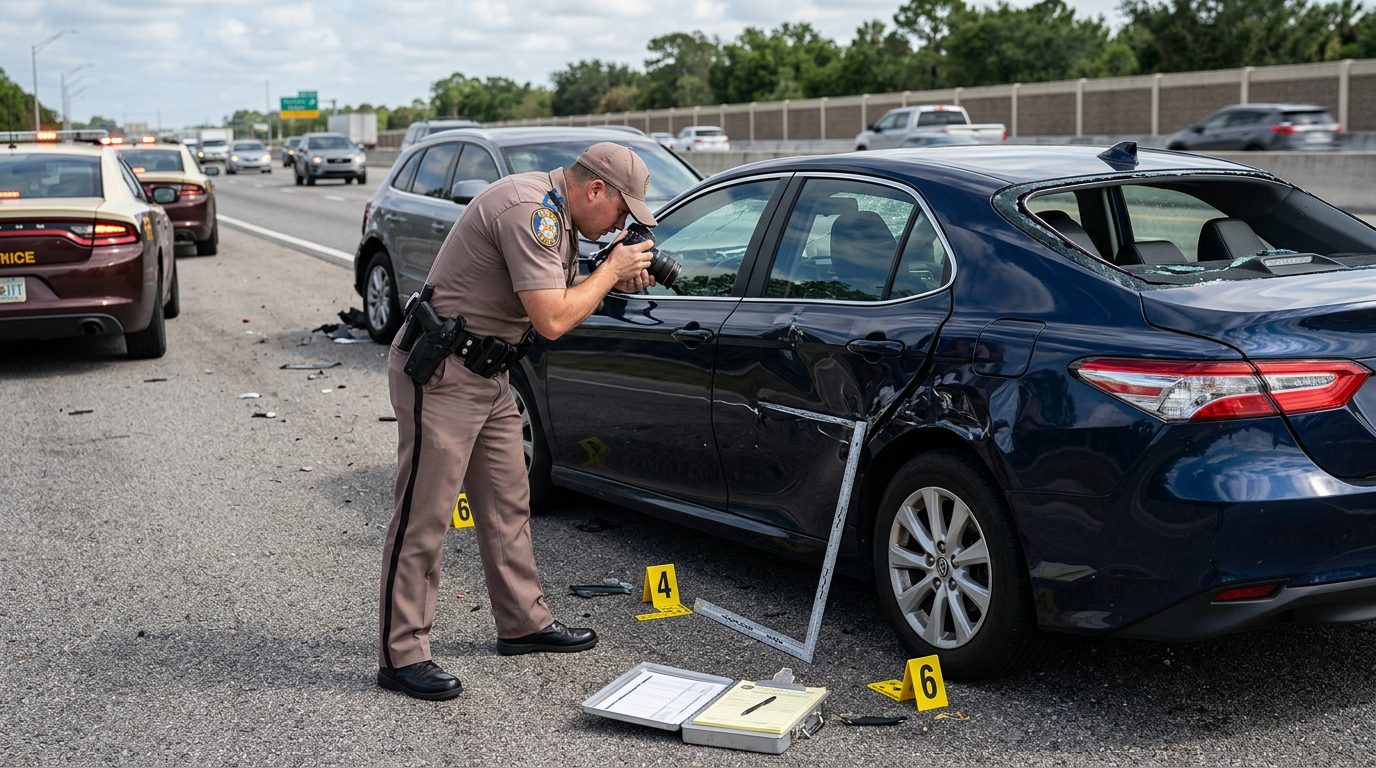
After a fatal crash, police investigate, and the State decides whether to file charges. Investigators often take statements from drivers, owners and witnesses. They may also look at the vehicle and the scene.
Impairment testing can come early. Under Fla. Stat. § 316.1933, if an officer has probable cause to believe an impaired driver caused a death or serious bodily injury, the officer must require a blood test. The officer may use reasonable force if needed.
A separate administrative track also runs. Under Fla. Stat. § 322.27, a law enforcement agency must give the Florida Department of Highway Safety and Motor Vehicles information within 24 hours after any traffic fatality. The Department may suspend a license without preliminary hearing, based on its records or other sufficient evidence, when the licensee or cardholder has committed one of the listed offenses, such as an offense requiring mandatory revocation upon conviction. This license process can follow a criminal conviction: under s. 322.27, the department shall suspend a license without preliminary hearing, upon direction of the court, when the court feels that the seriousness of the offense and the circumstances surrounding the conviction warrant the suspension, if the licensee has been convicted in any court having jurisdiction over offenses committed under this chapter or any other law of this state regulating the operation of a motor vehicle on the highways, Fla. Stat. § 322.27.
If a suspension is sustained, an appeal is possible.
Early choices matter. Talking with investigators, signing statements and agreeing to searches can all shape a case. Many people make these choices within hours of a crash, before they understand their exposure. It helps to talk with a lawyer early.
Not sure what your next step is?
Talk it through with our team — the first consultation is free, confidential, and carries no obligation.
Talk With a Miami Vehicular Homicide Defense Firm About Your Situation
Whether an owner faces criminal exposure usually turns on who was driving, what the owner did or knew, and what the State can prove. Those questions are hard to sort out in the days after a death.
You may be trying to help someone you care about. You may be the owner, wondering about your own car and your own name on the title. Either way, the questions are piling up and the answers are not clear yet.
Patrick Wilson Law, PLLC defends vehicular homicide charges across Miami-Dade County, Broward County and the Florida Keys from its Miami office. The firm’s lawyers include Patrick David Wilson and Sahara Fonseca. Patrick David Wilson is the responsible lawyer for this page.
The first consultation is free, confidential and comes with no obligation to continue. Our team can review what happened and explain your options under Florida law. For the vehicular homicide page and the main vehicular homicide defense page, see the firm’s website.
Frequently Asked Questions
Can a car owner be charged with vehicular homicide in Florida?
Ownership alone does not create the charge. The State must show the vehicle was driven in a reckless manner that caused the death, and an owner’s own conduct can create exposure.
How is vehicular homicide classified in Florida?
Under Fla. Stat. § 782.071, vehicular homicide is a felony of the second degree, punishable as provided in s. 775.082, s. 775.083, or s. 775.084. It is a felony of the first degree if the person knew, or should have known, that the accident occurred and failed to give information and render aid as required by s. 316.062, or if the person has a prior conviction under the listed provisions of that section. The first-degree version carries up to 30 years.
Can an owner be sued after a fatal crash if they were not charged?
Yes, a civil claim can exist without a criminal charge. Civil cases use different rules and a different standard of proof.
If a vehicle owner charged with vehicular homicide in Florida is someone you love, or if the car is yours, you don’t have to sort out the questions alone. Call Patrick Wilson Law at 786-761-1719 to talk through your situation.
How Our Lawyers Approach Owner-Related Vehicular Homicide Cases
Reviewing the evidence
We examine the crash report, vehicle data, witness statements and any recorded statements to test how the State describes the driver's conduct.
Holding the State to its burden
Our lawyers focus on whether the prosecution can prove reckless driving that caused the death, not simply that the defendant owned the vehicle.
Accounting for every person involved
We look at who had access to the car, who was driving and what each person knew, since those facts often shape the charge.
Clear communication
Our team explains each stage of the case in plain language so you understand your options before making decisions.
Speak With a Lawyer Before Giving a Statement
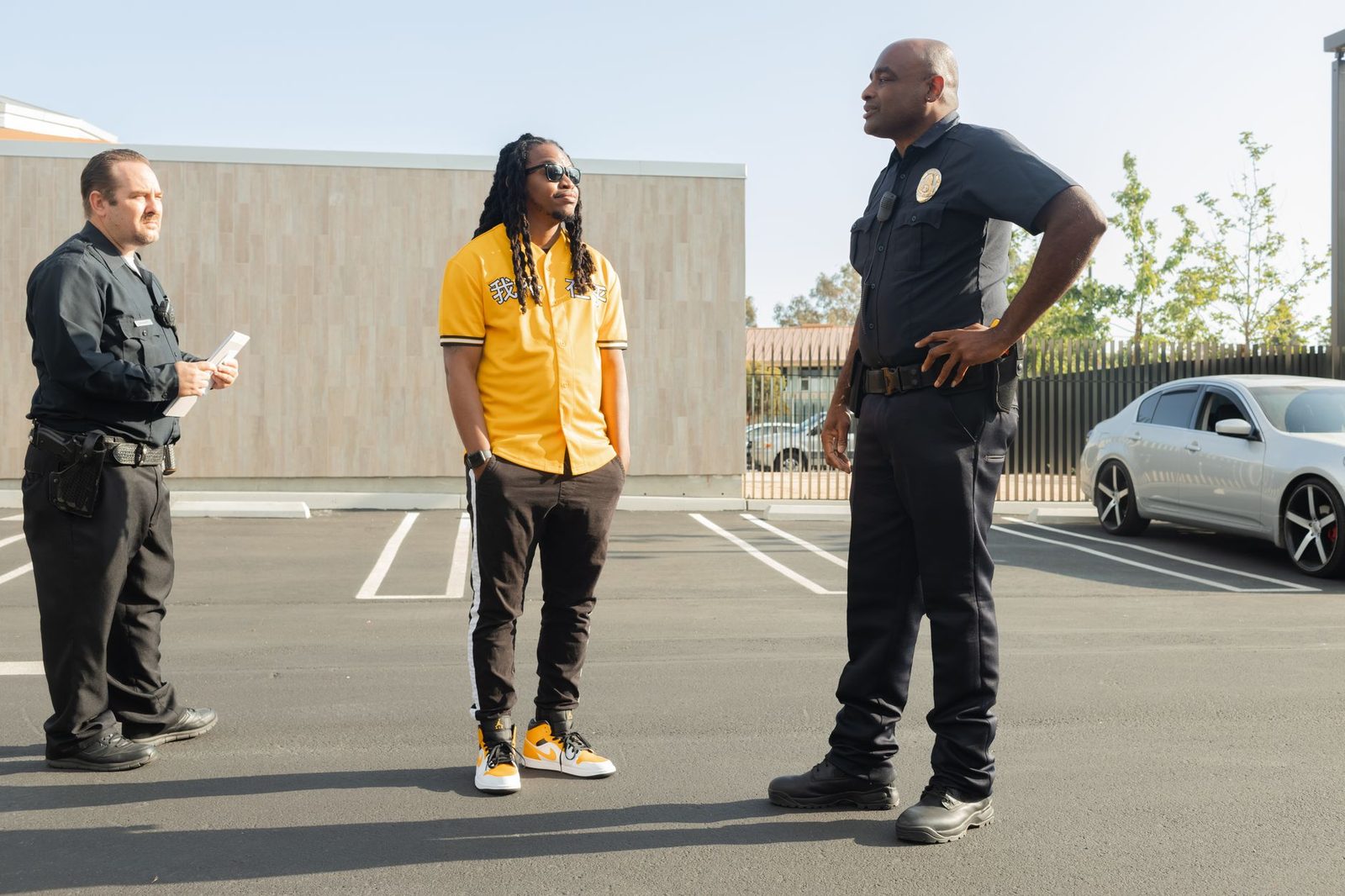
Investigators may contact vehicle owners quickly after a fatal crash. Talking about the vehicle, the driver or the crash without legal advice can create problems later. Call before you answer questions.
Key Questions Vehicle Owners Ask
Ownership alone is not the charge
Owning the car does not by itself establish vehicular homicide. The State must connect the death to reckless driving.
Who was behind the wheel
Identifying the driver, and whether the owner gave permission or knew of impairment or unsafe conditions, is central to how the case is evaluated.
A free first consultation
Our free first consultation is confidential and carries no obligation to continue. Bring the crash details and any paperwork you have.

