
Vehicular Homicide Defense | Miami and South Florida
Questions From Police After a Fatal Crash? Talk to a Lawyer First
Patrick Wilson Law, PLLC represents drivers across Miami-Dade, Broward County and the Florida Keys during the investigation that follows a deadly collision.
By Patrick David Wilson · Published November 20, 2026
Do I have to talk to police after a fatal crash in Florida? You can decline to describe how the crash happened, and you should speak with a lawyer before you give any account. Florida law still requires a few things at the scene. You must stop, stay, and identify yourself. This page explains where your right to silence ends and your legal duties begin.
The Short Answer: Your Right to Remain Silent After a Fatal Crash
You can stay silent about how a fatal crash happened, and you should not give police a statement until a lawyer is with you. But silence works best when you use it clearly. The FBI Legal Digest discusses the Supreme Court’s review of the Miranda right to silence. Saying nothing may not be enough. You should state that you want a lawyer and will not answer questions about the crash.
This right doesn’t end at the crash scene. It can matter in a patrol car, at the hospital, and in later phone calls or interviews. Officers may call a conversation routine. You still don’t have to answer questions about how the crash happened.
This section answers the statement question only. The duties in the next section still apply, and staying silent doesn’t cancel them.
A crash that killed someone can leave you facing officers with hard questions, and you don't have to decide alone what to say. Patrick Wilson Law can talk with you first. Talk it through with our team — the first consultation is free, confidential, and carries no obligation.
Duties That Still Apply at the Scene in Florida
A driver in a crash that causes a death must stop right away and stay at the scene. Fla. Stat. § 316.027 sets that duty. The driver must stay until the requirements of § 316.062 are met.
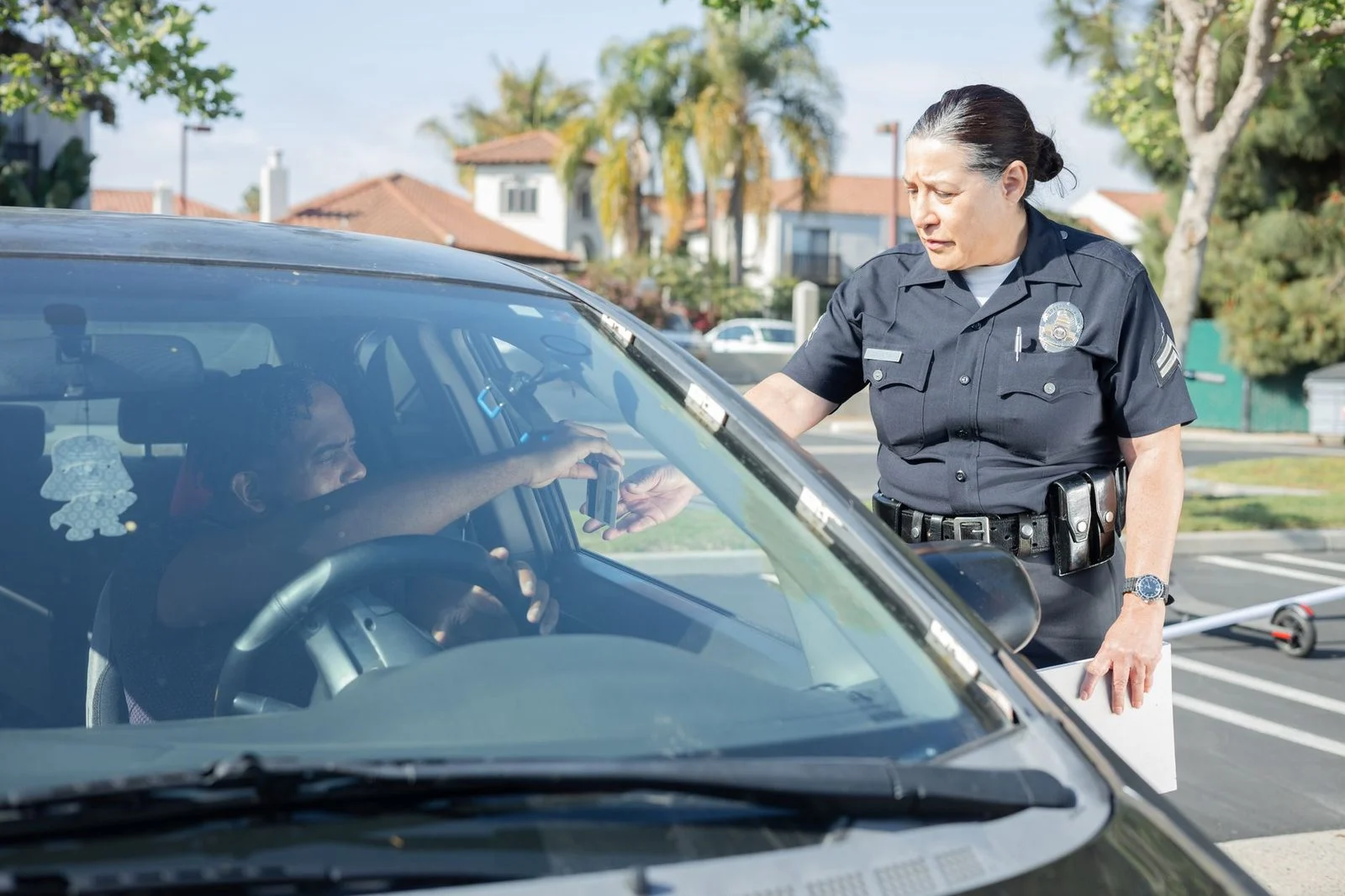
Section 316.062 requires you to give your name, address, and vehicle registration number. You must also show your license on request, if it’s available. You must give reasonable help to anyone hurt, including arranging a ride to medical care when treatment looks necessary or the injured person asks.
Identifying information is not the same as a story about fault. Section 316.062 says the duty to give information does not reach information that would violate your privilege against self-incrimination. You must give your identity and the required details. You don’t have to explain how the crash happened or who caused it.
Leaving is far more costly. A willful violation of the stay-at-scene duty in a fatal crash is a first-degree felony. It carries a mandatory minimum of 4 years in prison, and the statute limits when a judge may depart from that minimum. The Florida Department of Highway Safety and Motor Vehicles publishes guidance on these hit-and-run duties.
What Officers Commonly Ask After a Fatal Crash
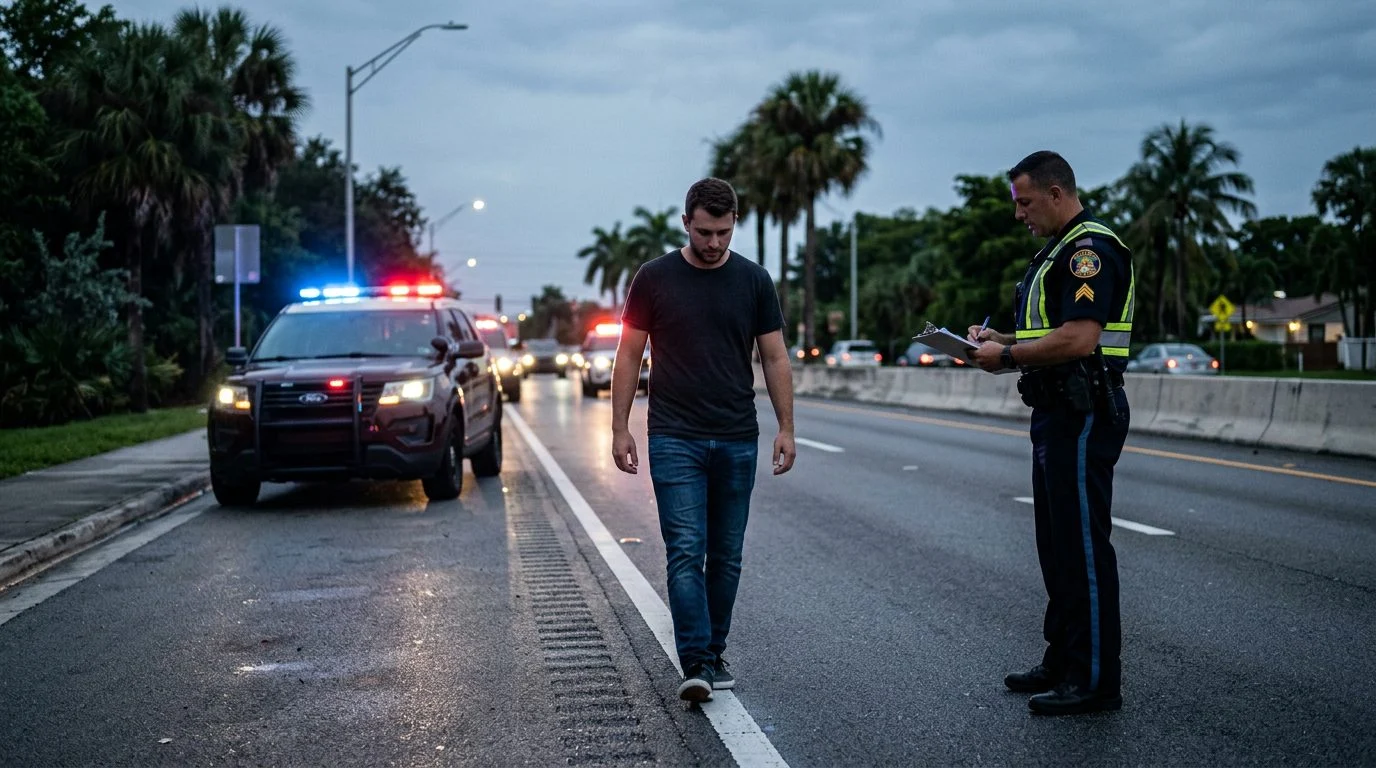
Officers often ask where you were coming from, how fast you were driving, and who was behind the wheel. They may also ask whether you had anything to drink, whether you were using your phone, and whether you saw the other vehicle. These questions can sound casual. They are part of an investigation.
An officer at the scene may arrest a driver when the officer has reasonable and probable grounds to believe the driver committed a traffic offense connected to the crash. Fla. Stat. § 316.645 gives that authority.
Impairment questions can lead to testing. If an officer has probable cause to believe an impaired driver caused a death or serious bodily injury, the officer must require a blood test. The officer may use reasonable force if needed. Fla. Stat. § 316.1933 sets that rule. North Miami police DUI guidance describes standardized field sobriety tests and breath, blood, or urine requests after serious-injury or fatal crashes.
Florida law lets the person tested, at his or her own expense, have a physician, registered nurse, licensed clinical laboratory technician or other person of his or her choosing administer an independent test in addition to the officer’s test. The officer may not interfere and must provide timely telephone access, but the burden of arranging and securing that test falls on the person, according to § 316.1932.
How a Statement Can Be Used Later in the Case
Anything you tell an officer can end up in the record. Officers must complete and submit a Florida Traffic Crash Report, Long Form, within 10 days after the investigation is done, for a crash that resulted in death, personal injury, or any indication of complaints of pain or discomfort, that involved a violation of s. 316.061(1) or s. 316.193, that rendered a vehicle inoperable to a degree that required a wrecker to remove it, or that involved a commercial motor vehicle, under Fla. Stat. § 316.066. That report can be made available to the parties and their legal representatives.
Your account is also compared with other evidence. Investigators can set it against video, witness accounts, and vehicle data. Accounts given in shock or pain can be hard to match later. A casual remark at the scene can still become part of the file.
Refusal can carry its own weight. Under the implied consent law in § 316.1932, a refusal to submit to a chemical or physical breath test on an officer’s request is admissible into evidence in any criminal proceeding.
Words and actions at the scene also matter for severity.
What to Do Right Away If Police Want to Talk
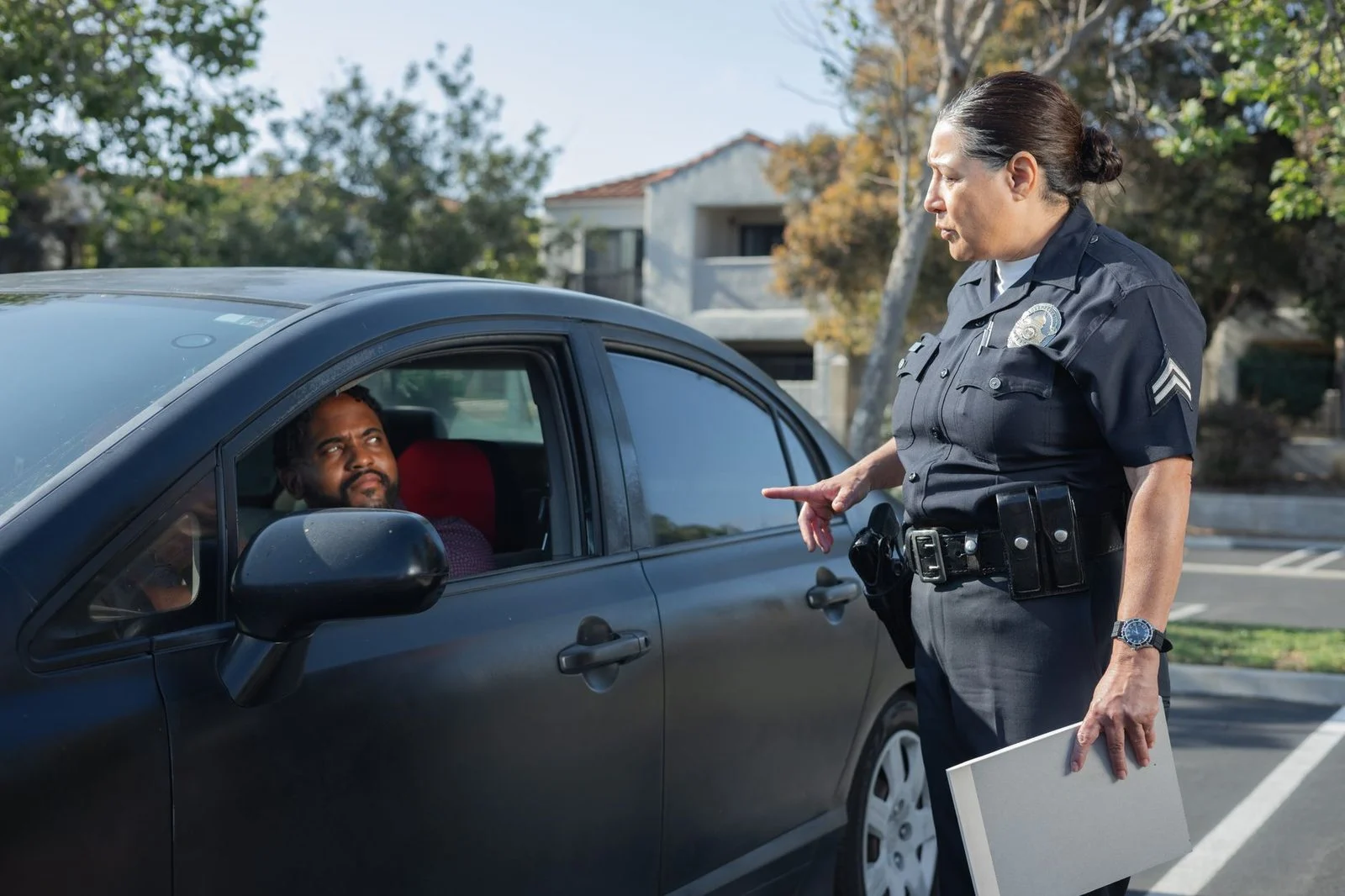
Say clearly that you want a lawyer before you answer questions about the crash. Keep your words short and calm.
Don’t sign a written statement about the crash. Write down the officer’s name, badge number, and agency as soon as you can. Also note what was said to you, while you still remember it.
Avoid posting about the crash on social media. Avoid discussing it with other drivers or witnesses before you speak with a lawyer. Those posts and conversations can be read or repeated later.
How Florida Vehicular Homicide and Leaving-the-Scene Cases Begin
A fatal crash often starts as a traffic investigation. A crash report, witness statements, and vehicle evidence all feed into that review. The investigation can later turn toward a criminal charge.
Vehicular homicide under § 782.071 requires a killing caused by operating a vehicle in a reckless manner likely to cause death or great bodily harm. A leaving-the-scene allegation can be added on top of that, based on the stay-at-scene duties described above.
Whether a case is charged depends on the facts of each crash. The firm’s practice areas include vehicular homicide defense and leaving-the-scene defense. Those cases turn on the timeline, the statements, and the physical evidence, so early steps matter.
Not sure what your next step is?
Talk it through with our team — the first consultation is free, confidential, and carries no obligation.
Talk With Patrick Wilson Law Before Your Next Conversation With Police
A lawyer can explain your rights before you answer police questions about a fatal crash. Patrick Wilson Law, PLLC is a Miami criminal defense firm. It defends people against DUI, domestic violence, sexual battery, and traffic homicide charges across Miami-Dade, Broward, and the Florida Keys.
The first consultation is free, confidential, and carries no obligation to continue.
Do I have to talk to police after a fatal crash Florida?
You can decline to describe how the crash happened. You must still give the identifying information and aid that Florida law requires.
Do I have to give my name and address at a crash scene?
Yes. Under Florida law, you must give your name, address, and vehicle registration number after a crash that causes injury or death.
Can police require a blood test after a fatal crash?
Officers must require a blood test if they have probable cause that an impaired driver caused a death or serious bodily injury. You may arrange an independent test, at your own expense.
Officers may be asking for your account of a crash that left someone dead. You do not have to answer those questions on your own. Reach out to Patrick Wilson Law at 786-761-1719 or leave us a message. This page is the responsibility of Patrick David Wilson, and the firm’s office is in Miami.
How We Help After a Fatal Crash
Protecting your rights from the start
We look at what officers may ask, what you are required to provide, and what you should avoid saying while the investigation is still open.
Clear guidance on every conversation
We explain which questions you may decline, what identifying information you must provide, and how to respond to detectives without harming your case.
Early work on the evidence
We focus on preserving the scene details, vehicle information and records that matter to your defense as soon as we are retained.
Serving all of South Florida
Our criminal defense work covers Miami, Miami Beach, Hialeah, Kendall, Homestead, Fort Lauderdale, Broward County and the Florida Keys.
Before You Answer Questions
Pausing to speak with a lawyer before giving a detailed account of a fatal crash can protect you. Statements made in the first hours often shape the investigation.
Common Questions Our Clients Ask
Can I stay quiet about how the crash happened?
Many people in this situation want to explain what happened. A lawyer can help you decide what to say and when.
What if I am a licensed professional?
A criminal charge can affect your license and career. We help professionals understand how an investigation may affect their livelihood.
What if I am not a U.S. citizen?
Statements and charges can have immigration consequences. We consider those risks in every conversation with police.
Is a first-time charge different?
A first-time offender may have options that differ from those of a person with a prior record. We review your history with you in detail.

